



The Problem with Polished White Rice
White rice, a staple in countless Indian households, is a refined carbohydrate. During processing, the fibre-rich outer layers—the bran and germ—are removed, leaving behind mostly starch. This means the body digests it very quickly, causing a rapid spike
in blood glucose levels. This is measured by the glycemic index (GI), and white rice has a high GI, often ranging from 70 to over 90. Regular consumption of high-GI foods is linked to an increased risk of developing type 2 diabetes, with some studies showing the risk rises with each daily serving of white rice. This effect is particularly pronounced in South Asian populations where rice is a primary food source.
The Vegetarian Diet Paradox
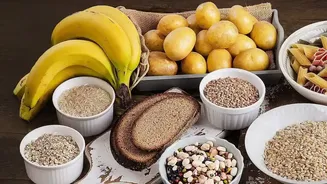
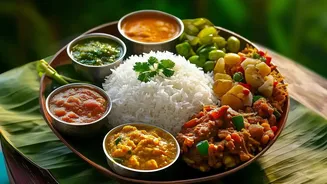
While vegetarian diets are often associated with good health, an Indian vegetarian diet can inadvertently become very high in carbohydrates if not properly balanced. Meals that heavily feature rice, roti, potatoes, and other starches, with only small amounts of protein and vegetables, can lead to the same blood sugar spikes seen with less healthy diets. A typical meal of a large portion of rice with a small bowl of dal and a little bit of sabzi can be problematic over time. While studies show that lacto-vegetarian diets are generally associated with a lower likelihood of diabetes compared to non-vegetarian diets, the key is the composition of the plate, not just the absence of meat.
Portion Control is Your Superpower
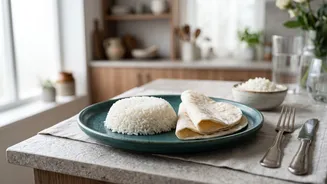
You don't necessarily have to eliminate rice from your diet. The most crucial factor is managing portion size. A standard serving of rice for a person managing diabetes is about half a cup of cooked rice, which contains roughly 15 grams of carbohydrates. A simple way to manage this is by using a smaller plate, which naturally encourages smaller portions. More importantly, never eat carbohydrates like rice in isolation. A balanced plate is essential for slowing down the release of sugar into the bloodstream.
Building a Balanced, Diabetes-Friendly Thali
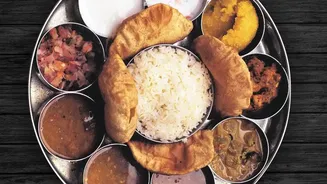
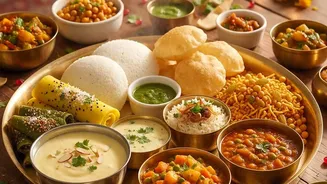
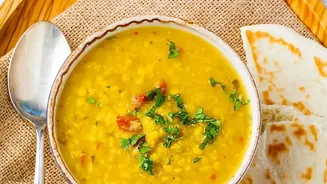
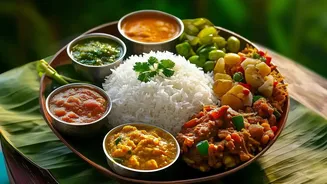
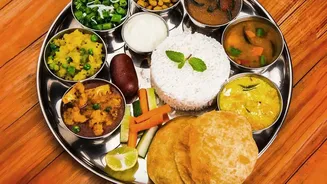
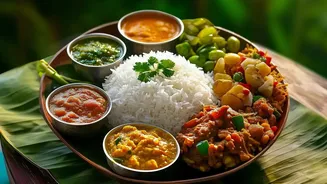
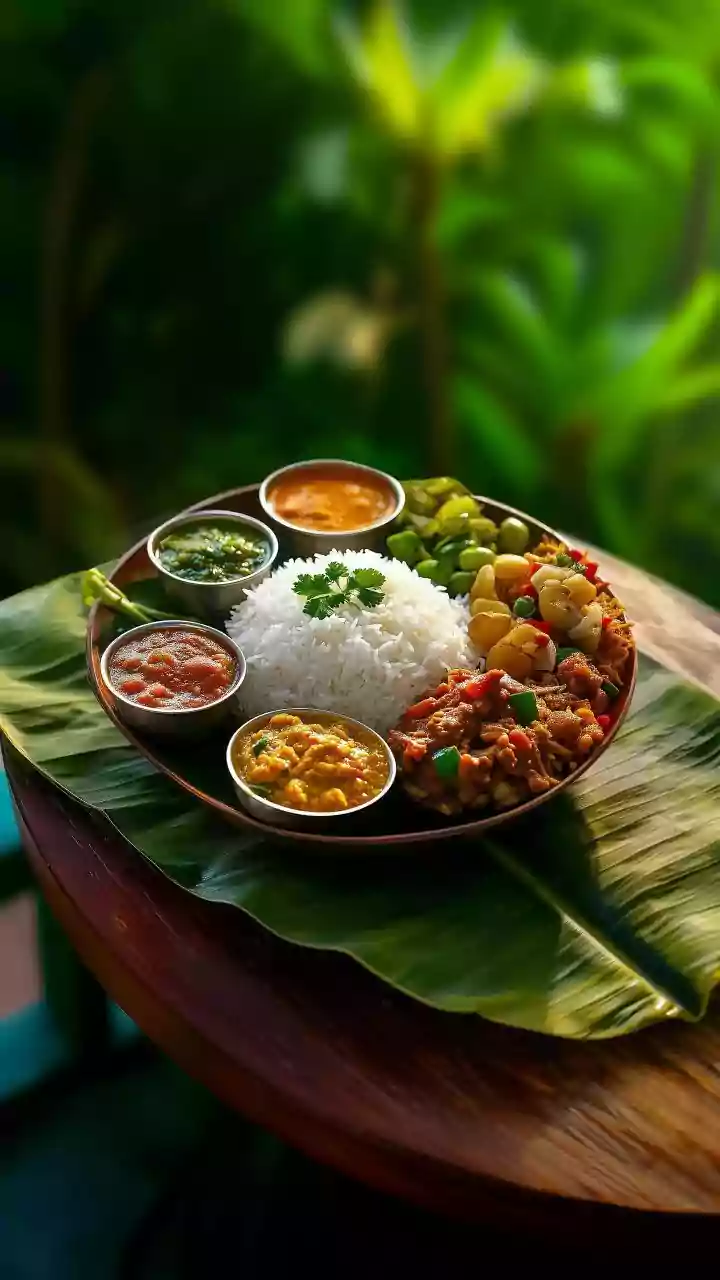
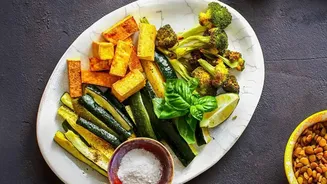
The traditional Indian thali offers the perfect template for a balanced meal. For better blood sugar control, reimagine its proportions using the 'plate method'. Fill half of your plate with non-starchy vegetables like spinach, lauki (bottle gourd), bhindi (okra), cabbage, and bell peppers. These are packed with fibre, which slows digestion. Dedicate one quarter of your plate to a lean protein source. For vegetarians, this includes dal, chana, rajma, paneer, or tofu. The final quarter is for your carbohydrate, such as rice or roti. Eating your vegetables and protein before you start on the rice can also help you feel full sooner and reduce the overall glucose spike.
Smart Swaps for a Healthier Plate
While controlling portions of white rice is effective, making simple swaps can boost the nutritional value of your meals even further. Consider replacing polished white rice with lower-GI alternatives. Brown rice is a great option as it retains its fibre-rich bran and has a GI of around 50-55. Other excellent choices include millets like jowar, bajra, and ragi, which can be used to make rotis or even rice-like preparations. These whole grains not only help in managing blood sugar but also provide essential vitamins and minerals that are stripped from white rice.