


Why Gut Health and Protein Are a Power Couple
Modern wellness has moved beyond simple calorie counting. Today, we understand that a thriving gut microbiome is central to overall health, influencing everything from digestion to immunity. Foods that support this internal ecosystem are rich in probiotics
(beneficial live bacteria) and prebiotics (the fibres that feed them). When you pair these gut-friendly heroes with a substantial serving of protein, you create a meal that does more than just fill you up. Protein is crucial for muscle repair, hormone production, and satiety, helping you feel fuller for longer. A dinner combining both elements provides sustained energy and supports your body’s foundational systems, all while promoting a balanced digestive tract.
Your Gut-Friendly Toolkit: Fermented and Fibre-Rich Foods
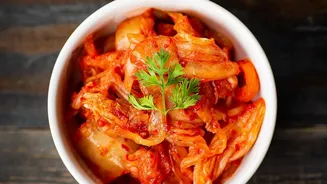
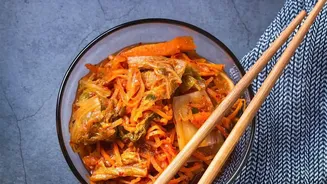
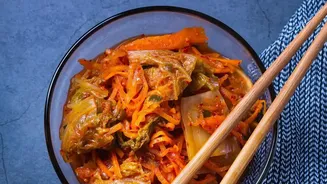
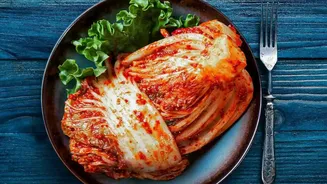
Building a gut-friendly meal starts with two key categories of ingredients. First are fermented foods, which are natural sources of probiotics. Think of adding a side of kimchi or sauerkraut to your plate, using miso as a base for sauces and glazes, or adding a dollop of plain yogurt or kefir as a finishing touch. These foods introduce beneficial bacteria directly into your system. The second category is fibre-rich foods, which act as prebiotics. This includes legumes like lentils and chickpeas, whole grains such as quinoa and brown rice, and a wide array of vegetables. Fibre is essential for good digestion and provides the fuel your good gut bacteria need to flourish, creating a healthy and diverse microbiome.
Hitting the 20g Protein Mark Without Meat
The belief that a high-protein meal must centre on meat is outdated. The plant kingdom offers a wealth of powerful protein sources that can easily help you reach the 20-gram-per-meal benchmark. Tofu and tempeh are superstars in this category, with a standard serving of firm tofu providing around 15-20 grams of protein. A cup of cooked lentils offers about 18 grams, while chickpeas and other beans provide a significant boost. Even grains and seeds contribute; quinoa delivers a complete protein, while adding nuts or seeds to a dish can top up your total. By combining these ingredients, a 20-gram protein target becomes not only achievable but also easy and delicious.
Putting It All Together: Three Meal Ideas
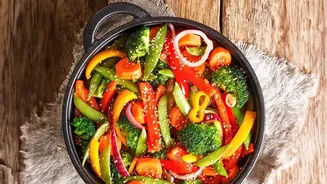
Ready to see how it works in practice? Here are three simple, customisable dinner ideas that combine fibre, fermented foods, and at least 20 grams of plant-based protein. 1. The Deconstructed Burrito Bowl: Start with a base of brown rice and black beans (protein and fibre). Top with a generous serving of seasoned, pan-fried tofu (protein boost). Add your favourite salsa, avocado, and a spoonful of plain yogurt or a vegan alternative for a creamy, probiotic-rich finish. 2. The Miso-Glazed Tempeh Stir-fry: Cube a block of tempeh and stir-fry it with broccoli, bell peppers, and snap peas (fibre). Create a savoury sauce using miso paste (fermented), soy sauce, ginger, and garlic. Serve over quinoa for a complete-protein meal that’s bursting with flavour. 3. Hearty Lentil Soup with Kimchi: Make a simple, hearty soup with red lentils, carrots, celery, and vegetable broth (protein and fibre). To serve, ladle the soup into bowls and top with a generous spoonful of chopped kimchi. The spicy, fermented crunch of the kimchi adds a vibrant contrast to the warm soup and provides a powerful probiotic punch.