







Value Over Volume: A Market Divided
Recent data from the first half of 2026 paints a clear picture of a market undergoing a fundamental shift. According to a joint report by ASSOCHAM and Knight Frank, while home prices in the NCR surged by a staggering 193% between 2015 and 2025, the actual
number of homes sold—the sales volume—grew by a mere 7%. This divergence is significant. It shows that the headline growth in the market's total worth is not coming from more people buying homes, but from each buyer spending significantly more. This phenomenon is described as "value concentration rather than volume expansion," signalling a structural change in what is being bought and sold.
The Decisive Shift to Luxury
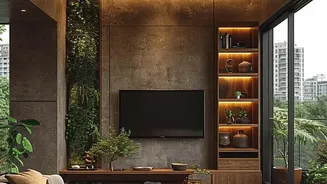
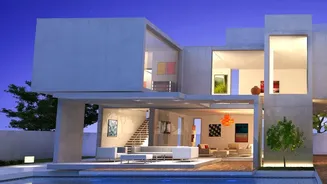
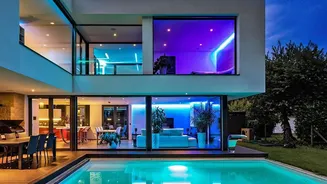
The primary engine behind this trend is an unprecedented demand for premium and luxury properties. In the first half of 2026, homes priced above ₹1 crore accounted for a massive 84% of all residential sales in the NCR. This is a dramatic leap from 2018, when the same category made up just 18% of sales. This surge is fuelled by a combination of factors. Post-pandemic, homebuyers are prioritising larger living spaces with better amenities. Furthermore, strong income growth among high-net-worth individuals, startup founders, and senior professionals has created a robust class of buyers willing and able to invest in higher-value properties. Developers have responded in kind, focusing new launches on high-margin premium projects, particularly in hot-spot corridors like Gurugram's Golf Course Extension Road and the Dwarka Expressway.
The Squeeze on Affordable Housing
The boom at the top end of the market has a direct consequence for other segments: a shrinking supply of affordable housing. With developers chasing higher profit margins, which can be 25-30% in the luxury segment compared to 10-12% for affordable homes, new launches for budget-conscious buyers have dwindled. The share of affordable housing in new projects has fallen dramatically, creating a significant supply gap for first-time and mid-income buyers. While government schemes in Haryana and Delhi offer some options, the price cap for a home to be officially considered 'affordable' (around ₹45 lakh) is often seen as outdated and misaligned with current land and construction costs in the NCR. This leaves a growing number of potential buyers facing a market where affordability is a major challenge, not just because of rising prices but due to a sheer lack of available properties within their budget.
What This Means for the Average Homebuyer
For those looking to enter the NCR property market, this trend presents a mixed bag. On one hand, some reports suggest that rising household incomes are beginning to outpace property price growth, which could improve affordability over time for some. However, the immediate reality for many is a market increasingly skewed towards the wealthy. The focus on high-ticket properties means that mid-segment buyers are often pushed towards peripheral locations or forced to compromise. While the overall market appears stable and driven by end-user demand rather than pure speculation, the path to homeownership in central, well-connected areas is becoming steeper. Buyers must now look beyond headline numbers and focus on micro-market fundamentals, upcoming infrastructure, and their long-term financial capacity.