





The Case for Walking: Accessible and Effective
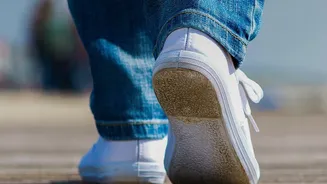
Walking is perhaps the most accessible form of exercise available. It requires no special equipment beyond a good pair of shoes and can be done almost anywhere. As a low-impact, weight-bearing activity, walking strengthens the muscles in your legs and core,
which helps to stabilize your joints. This muscular support is vital, as stronger muscles act like shock absorbers, taking pressure off your knees and hips. Regular walking also improves circulation, which is crucial for joint health. It increases blood flow to the cartilage that cushions your joints, delivering essential nutrients that help reduce stiffness and maintain lubrication. This process helps joints move more smoothly and can alleviate the pain associated with conditions like arthritis.
The Power of Pilates: Core Strength and Control
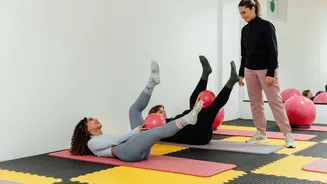
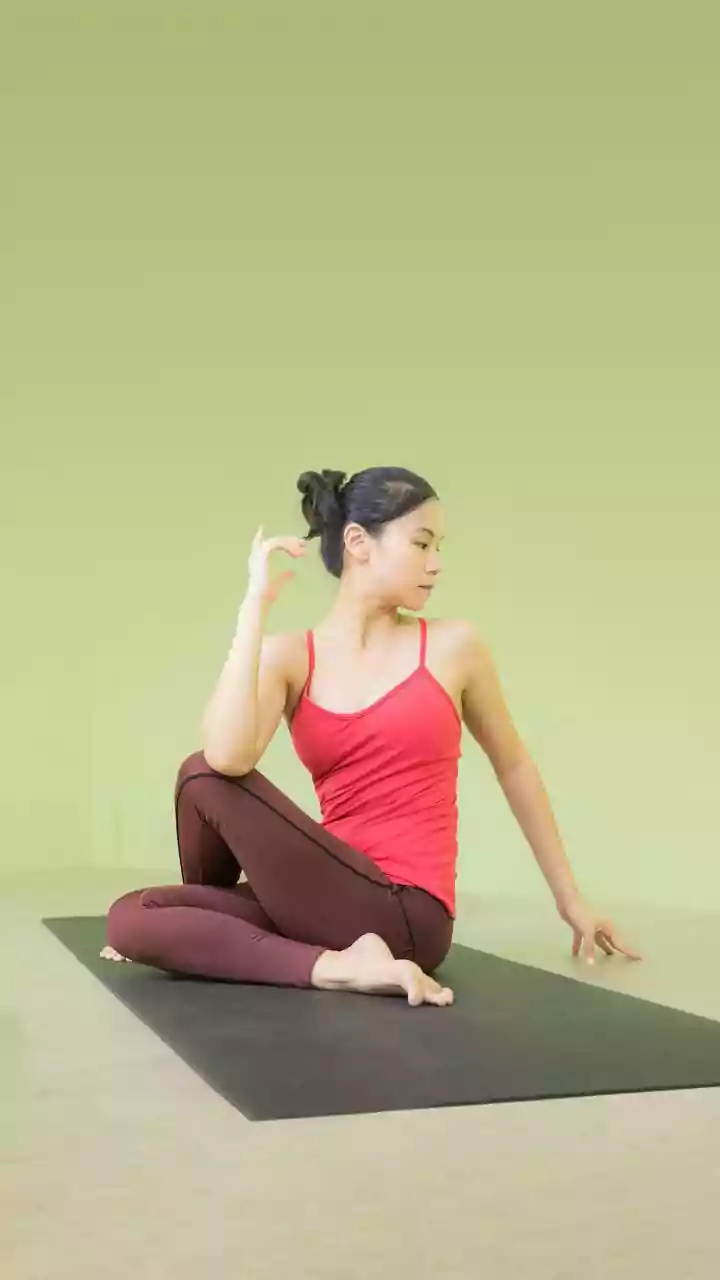
Pilates is a form of exercise that focuses on controlled movements, core strength, flexibility, and body awareness. While walking is a natural, functional movement, Pilates is more prescriptive, designed to correct posture and alignment. This can be particularly beneficial for joint comfort. Poor posture can place uneven stress on joints, leading to pain and wear over time. Pilates strengthens the deep core muscles that support the spine and pelvis, creating a stable foundation for all movement. This enhanced stability reduces the burden on other joints, like the knees and hips. Because it is typically non-weight-bearing (especially when using equipment like a reformer), Pilates allows you to build strength without putting significant stress on your joints.
Head-to-Head: Impact on Joints
Both activities are considered low-impact, meaning they are much gentler on the joints than activities like running or jumping. Walking involves keeping at least one foot on the ground at all times, which minimizes jarring forces. However, it is still a weight-bearing exercise. Pilates, particularly mat Pilates, uses your own body weight for resistance but many movements are performed lying down, which removes the impact of gravity and body weight from the joints entirely. For those with severe joint pain or during an arthritis flare-up, the non-impact nature of many Pilates exercises may offer a more comfortable way to stay active and build strength.
Flexibility and Range of Motion
This is an area where Pilates truly shines. The practice is built around moving the body and joints through their full range of motion in a controlled manner. This systematic approach can significantly improve flexibility, reduce stiffness, and make everyday movements like bending and reaching feel easier. Walking primarily moves the body in one plane of motion and offers limited benefits for flexibility unless you incorporate a dedicated stretching routine before or after your walk. For those whose main complaint is joint stiffness and a limited range of motion, Pilates often provides more direct and noticeable improvements.
Building a Supportive Foundation
Both exercises build strength, but in different ways. Walking is excellent for strengthening the major muscle groups of the lower body—the glutes, hamstrings, and quadriceps—which are essential for supporting the knee and hip joints. Pilates also strengthens these muscles but places a much stronger emphasis on the deep, stabilizing muscles of the core and pelvis. A strong core is like a natural corset for your body, improving posture and taking the load off your entire skeletal frame. By improving alignment and control, Pilates can help address the root causes of joint strain, rather than just strengthening the muscles around an existing issue.
Which One Should You Choose?
The best choice depends entirely on your individual needs, goals, and current condition. If you are looking for a simple, accessible, and effective cardiovascular workout that also strengthens your leg muscles and bones, walking is an outstanding option. It is easy to start and can be adjusted to any fitness level. If your goals are more focused on improving posture, core strength, flexibility, and body awareness to address underlying imbalances that may be contributing to joint pain, Pilates is likely the superior choice. It provides a more targeted approach to building the supportive musculature that protects your joints from the inside out. For many people, the ideal solution isn't choosing one over the other, but combining them. Using walking for cardiovascular health and daily movement while incorporating Pilates a few times a week can create a well-rounded fitness routine that supports joint comfort from every angle.