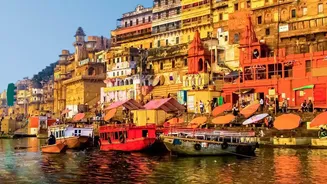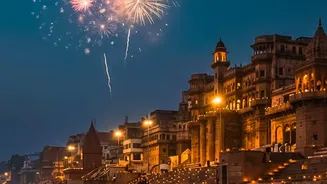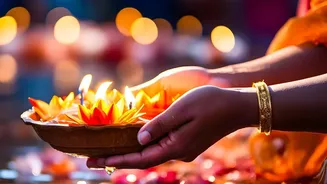






Celebrated with immense devotion, Chhath Puja transforms Bihar's riverbanks into a sea of lamps and prayers. As 2026 approaches, this guide helps you navigate the most sacred ghats and experience the spiritual core of this ancient festival.
Understanding the Four-Day Ritual
Chhath Puja
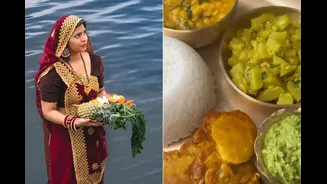
is a four-day festival dedicated to the Sun God, Surya, and his consort, Chhathi Maiya. The rituals are marked by austerity, purity, and a deep connection to nature. The festival in 2026 will span from November 13 to November 16. The first day, 'Nahay Khay' (November 13), begins with a ritual bath and a single, pure meal. Day two, 'Kharna' (November 14), involves a day-long fast that is broken after sunset with a special prasad of rice pudding (kheer) and rotis. This meal marks the start of a rigorous 36-hour fast without water. The main events unfold on the final two days, drawing millions to the riverbanks.
The Spectacle: Sandhya and Usha Arghya
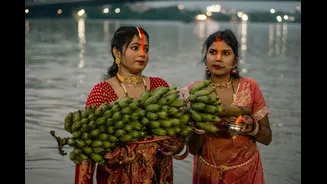
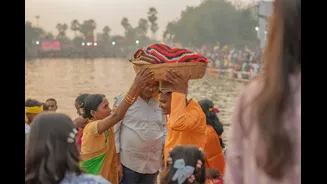
The heart of the festival lies in the 'Arghya'—offerings made to the sun. 'Sandhya Arghya' (evening offering) on November 15, 2026, is the visual climax. Families gather at ghats before sunset, and devotees, known as 'vratis', stand waist-deep in the water, offering prayers and bamboo baskets filled with fruits, sugarcane, and a traditional sweet called 'thekua' to the setting sun. The final day, 'Usha Arghya' (morning offering) on November 16, sees devotees returning to the same spot before sunrise to offer prayers to the rising sun, breaking their long fast after the ritual is complete.
Patna's Premier Ghats: Where to Go
Patna, situated on the banks of the Ganga, is the epicentre of Chhath celebrations in Bihar. The city prepares dozens of ghats, but a few are especially significant for visitors. Gandhi Ghat, near the NIT campus, is one of the most famous and often becomes the most photographed location due to its spiritual ambience and evening Ganga Aarti. Collectorate Ghat is another major hub, known for its spaciousness and well-organised cultural programs that showcase Bihar's heritage. For a glimpse into more traditional practices, Mahendru Ghat, one of Patna's oldest, offers an authentic experience.
Other Notable Ghats in Patna
Beyond the main three, several other ghats provide a memorable Chhath experience. Digha Ghat, located on the city's western edge, is praised for its serene atmosphere and picturesque views of the sunset and sunrise over the expansive river. Kurji Ghat is another popular spot for residents in western Patna, where families gather to perform the timeless rituals. Many of these ghats, including Patna College Ghat and Rani Ghat, are paved, which authorities have noted makes them safer and more accessible for the large crowds that congregate. Even smaller, local ghats can offer a powerful, less crowded view of the celebrations.
Essential Tips for Visitors and Observers
If you plan to witness Chhath, remember it is a sacred event. Arrive at the ghats early, especially for the evening Arghya, to find a good spot and avoid the peak rush. Dress modestly and respectfully; traditional attire is best. Maintain silence and reverence during the Arghya, as devotees are in deep prayer. While photography is common, be mindful and avoid disrupting rituals or blocking anyone's view for a photo. Always ask for permission before taking closeup pictures of devotees. Given the large crowds, keep your belongings secure and agree on a meeting point in case you get separated from your group.
Etiquette and Environmental Responsibility
Chhath is an eco friendly festival at its core, celebrating nature's elements. As a visitor, it is crucial to uphold this spirit. Avoid using plastic bags or containers; offerings are traditionally carried in bamboo baskets ('soops'). Do not leave any waste at the ghats; carry your trash back with you to keep the riverbanks clean. The atmosphere is one of profound devotion, so refrain from loud conversations or behaviour that could disturb the peaceful environment. By observing these simple courtesies, you can respectfully participate in one of India's most ancient and moving traditions.