



A Summer Capital for the Raj
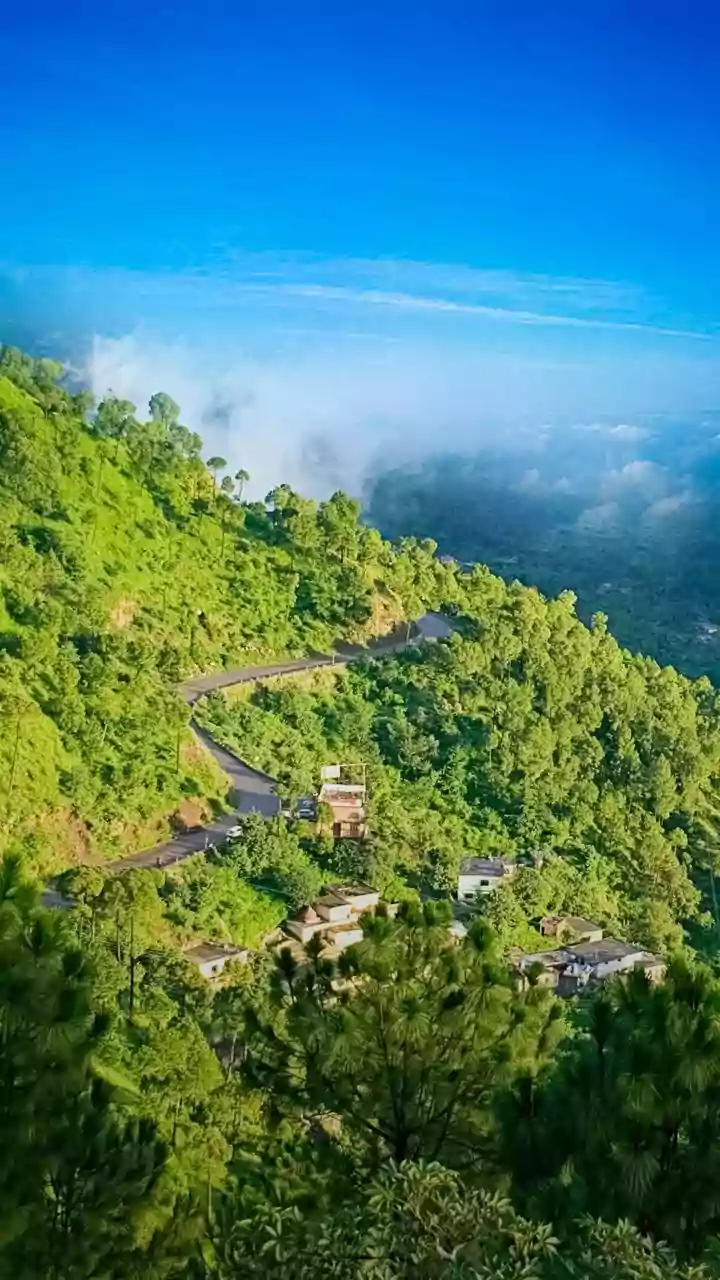
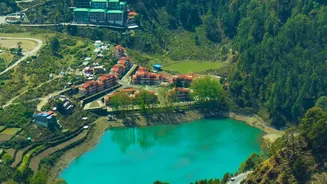
After its establishment by the British in 1841, Nainital quickly transformed into a favored summer retreat for colonial officials, soldiers, and their families seeking refuge from the blistering heat of the Indian plains. It became the summer administrative
capital for what was then the United Provinces, and its social life was structured to mirror that of England. This era saw the construction of grand bungalows, European-style schools, and exclusive clubs designed to serve the British elite. Social life revolved around these institutions, where strict rules of etiquette and class were observed, effectively making Nainital an English enclave in the Kumaon hills.
The Nainital Club: A Citadel of Exclusivity
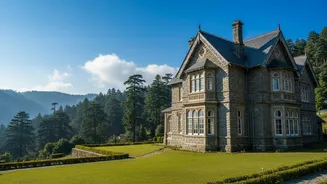
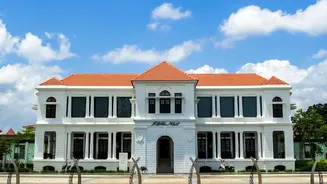
The Nainital Club, established in the latter half of the 19th century, was one of the preeminent clubs in British India. It was situated above the Mallital bazaar and was the centre of formal social life and administrative influence. Membership was almost exclusively British, a space where the hierarchies of the empire were reinforced over drinks and formal dinners. Before independence, it was considered one of the most prestigious clubs in the country, not just for its scenic location but for its powerful and elite membership. The club's very existence was a symbol of the rigid social stratification that defined colonial rule, a world away from the Indian population of the town.
The Boat House Club: Leisure and Yachting
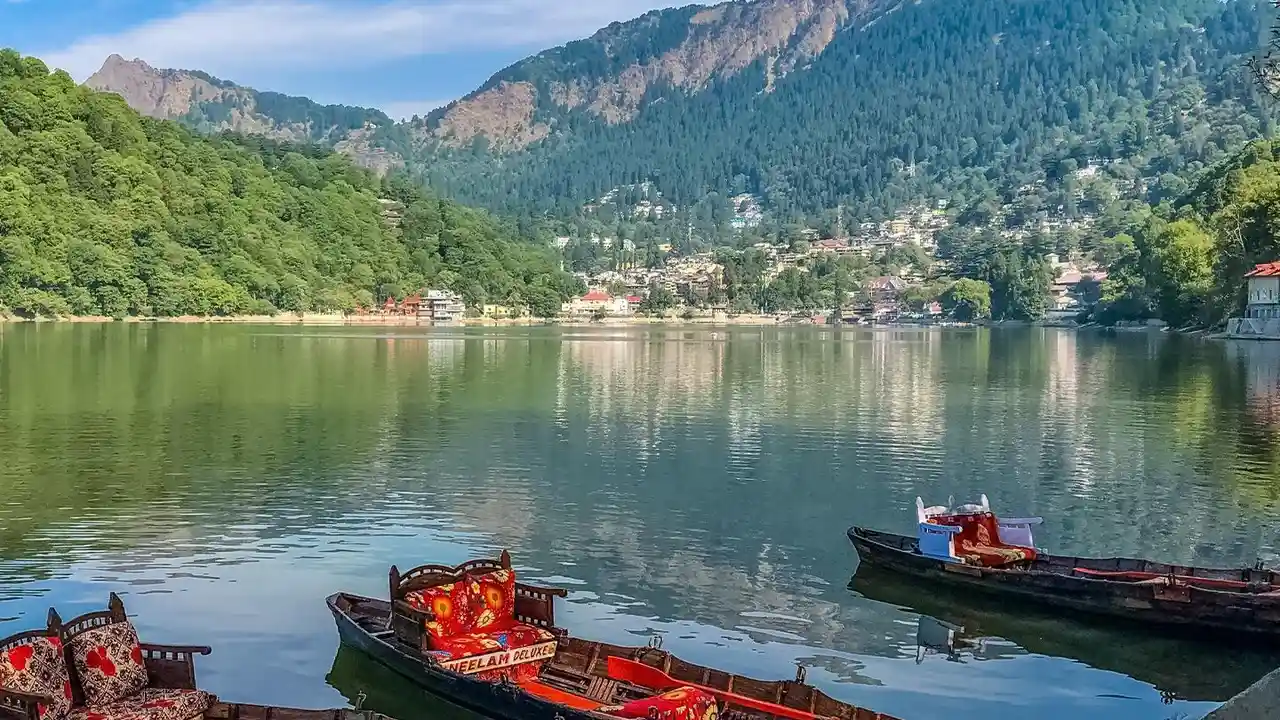
While the Nainital Club was the hub of formal society, the Boat House Club became the heart of recreation. The Nainital Yacht Club was formed in 1910, born from a sailing tradition on the lake that dated back to 1880. The Boat House Club became its home, uniquely offering inland yachting, a distinction it held across India. Its location right on the lakefront made it the center for sailing, regattas, and more relaxed social gatherings. While still exclusive, its focus was on sport and leisure, attracting a membership keen on the unique experience of sailing at one of the highest altitude yacht clubs in the world. It even sails a class of boats not found anywhere else on the planet.
The Winds of Change After 1947
The dawn of Indian independence in 1947 presented a crisis for these institutions. With the departure of the British, who formed the vast majority of their members, clubs like the Nainital Club faced liquidation. A contentious period followed, with the few Indian members and remaining British residents keen to keep the clubs alive. The original Nainital Club Ltd. was eventually dissolved. A group of sailing enthusiasts, however, rallied to save the yachting tradition. They purchased the yachts and transferred the lease of the lakefront building, forming the new Boat House Club in 1948 to ensure that sailing on Naini Lake would continue.
The Clubs in Modern Nainital
Today, both clubs stand as treasured heritage properties, balancing their storied past with a more inclusive present. The building once known as the Nainital Club is now a government-run property, but the Boat House Club thrives as a social and sporting hub. While still primarily a members' club, it now offers temporary memberships to non-members and tourists, allowing wider access to its historic bar, dining rooms, and billiards tables. The strict dress codes and exclusive rules have softened, reflecting the shift from a colonial preserve to a popular destination for all Indians. The annual Sailing Regatta continues, a vibrant link to a century-old tradition.