


A Ticking Time Bomb in the Himalayas
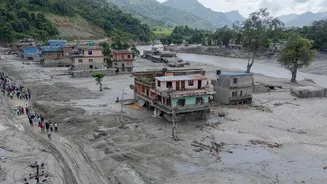
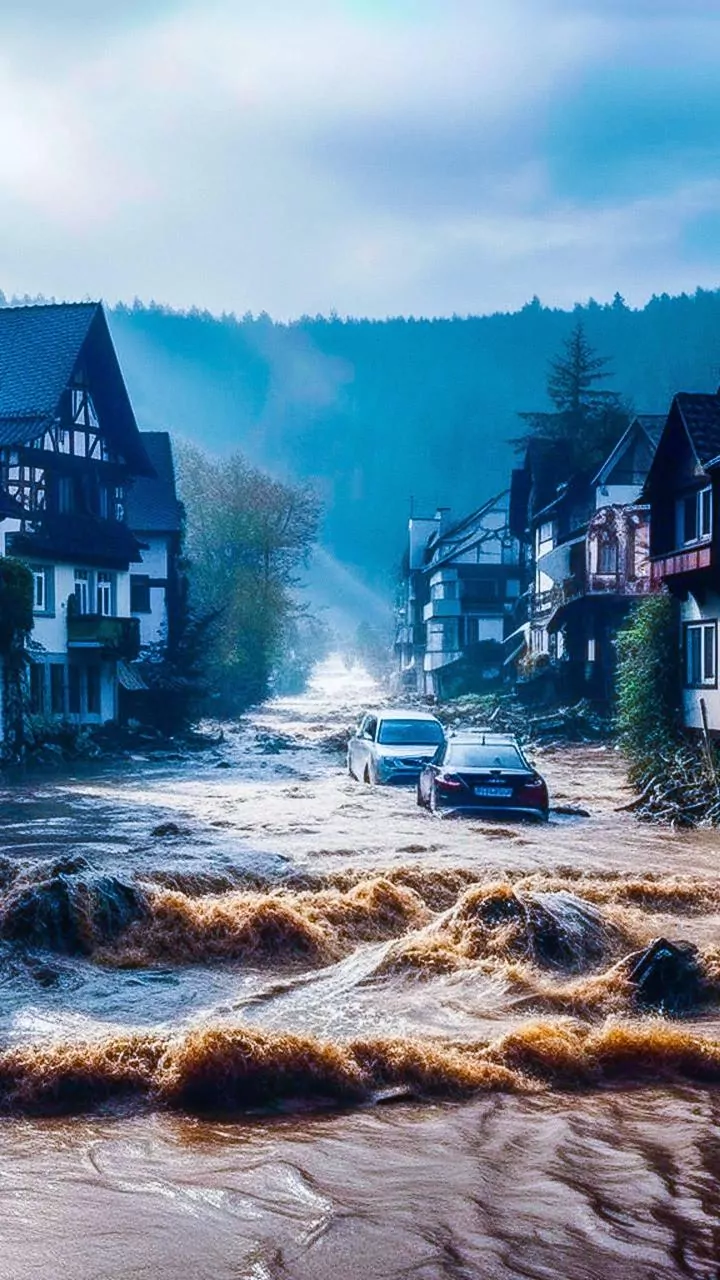
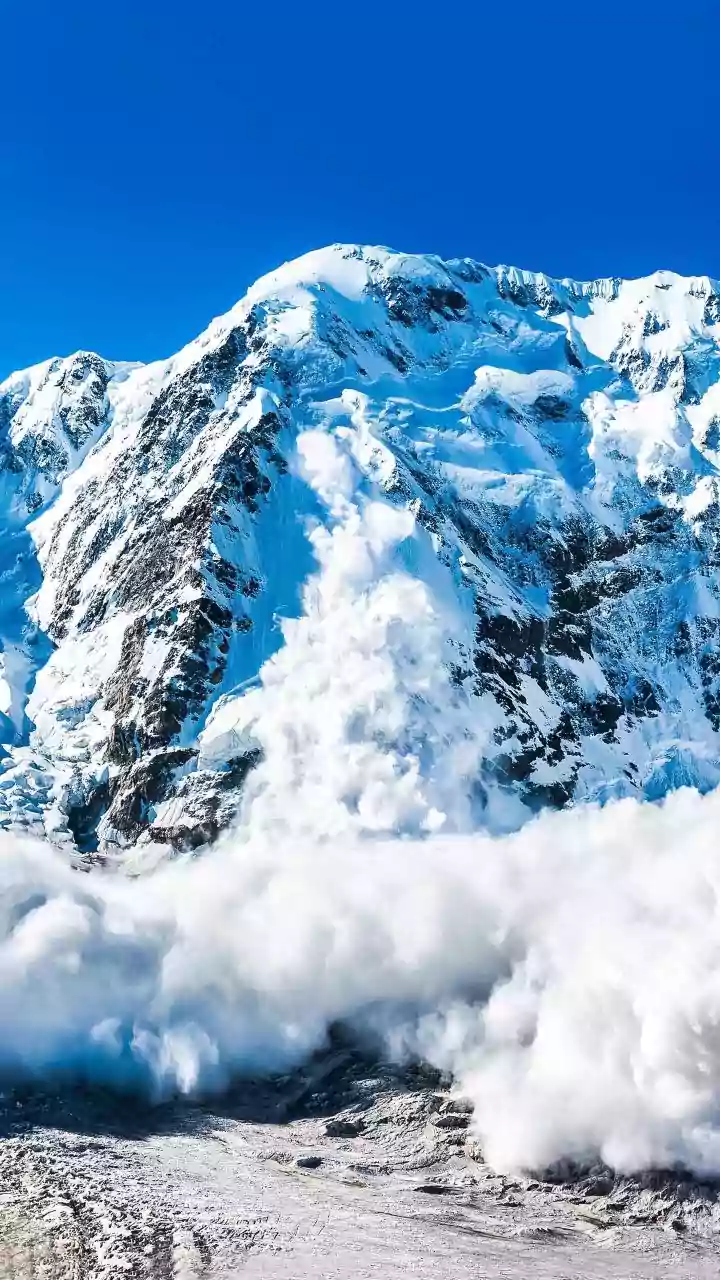
On August 26, a catastrophic ice-and-rock avalanche in the Himalayas triggered a flash flood that swept through the Trishuli and Bhote Koshi river valleys, causing immense loss of life and property. In the wake of that disaster, a secondary threat has
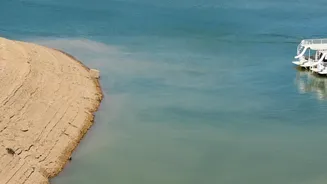
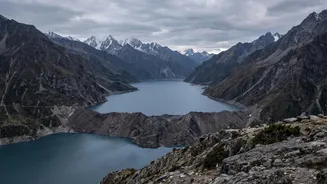
developed that has authorities on high alert. The landslide debris blocked a tributary of the river system on the Nepal-China border, creating what is known as a barrier lake. Chinese authorities have warned that this unstable dam of rock and earth is holding back an enormous volume of water. The lake has already begun to overflow, prompting brief halts to rescue operations and sending a fresh wave of fear through downstream communities in districts like Rasuwa and Nuwakot.
What is a Barrier Lake?
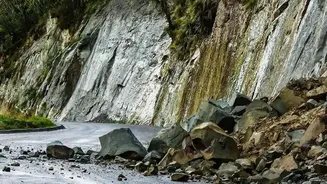
Unlike a man-made dam built with reinforced concrete and engineering principles, a barrier lake is formed when a natural event, like a landslide or avalanche, deposits a massive amount of debris that blocks a river's flow. This creates an unstable, temporary dam. The danger lies in its unpredictability. The dam can fail catastrophically and without warning for several reasons: the pressure of the rising water behind it can cause a breach, inflowing water can overtop the dam and erode it quickly, or a secondary landslide could collapse into the lake, causing a massive wave to break through the dam. The resulting event is a Glacial Lake Outburst Flood (GLOF) or Landslide Dam Outburst Flood (LDOF), a torrent of water and debris that moves with incredible speed and destructive force.
Echoes of Past Tragedies
The threat of outburst floods is not new to Nepal's mountainous terrain. The country has a history of similar devastating events. In 2014, a landslide on the Sunkoshi River created a similar barrier lake, displacing thousands and putting the region on high alert. The Kali Gandaki river has also been blocked by landslides in the past, threatening communities and vital infrastructure like hydropower projects downstream. These events are part of a worrying trend in the Hindu Kush Himalaya region, where climate change is accelerating glacier melt and increasing geological instability. Scientists warn that as temperatures rise, the frequency of landslides and avalanches is likely to increase, making the formation of dangerous barrier lakes a more common threat.
The Human Cost of Uncertainty
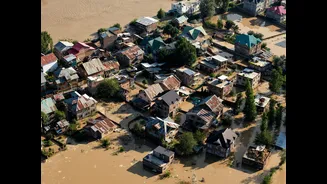
For communities living downstream, the existence of the barrier lake has replaced the shock of the initial disaster with a prolonged state of anxiety. Thousands of people have already been displaced by the August 26 floods, with hundreds confirmed dead and many more still missing. The risk of a second flood wave hampers recovery and rescue efforts, making it perilous to start rebuilding. Evacuation warnings have been issued, forcing residents in already traumatized areas to be ready to flee to higher ground at a moment's notice. The disaster has severed vital trade routes, destroyed bridges, and damaged numerous hydropower projects, crippling the local economy and making it incredibly difficult to deliver aid to those in need.
A Race Against Time
Responding to the threat is a monumental challenge. Authorities in both Nepal and China are closely monitoring the lake, using drones and field teams to assess the stability of the debris dam. The primary goal is to find a way to drain the lake in a controlled manner, preventing a sudden, catastrophic breach. However, the options are limited and fraught with danger. The remote, high-altitude location and unstable terrain make it difficult to bring in heavy machinery. Any attempt to manually create a channel could risk destabilizing the entire structure. With ongoing monsoon rains threatening to add more water to the lake, the situation remains critical. For now, downstream communities can only watch the river levels, hope the dam holds, and pray for a safe resolution.