
A Global Stamp of Approval
In the latest TasteAtlas Awards for 2025/2026, Indian cuisine secured the 13th position worldwide with an impressive score of 4.43 out of 5. This ranking places India in an elite group, reaffirming its status as a global culinary powerhouse. The list,
which saw Italy, Greece, and Peru take the top three spots, is compiled from hundreds of thousands of user ratings of dishes and food products from across the globe. For India to be ranked so highly among fierce competition is a testament to the enduring appeal of its flavours, which have captivated palates far beyond its borders. The placement signals that Indian food is not just a niche or exotic choice but a mainstream, beloved cuisine on the world stage.
What is TasteAtlas and Why Does It Matter?
Founded in 2018, TasteAtlas has quickly become an influential guide for food lovers. Unlike guides that focus on elite, fine-dining establishments, TasteAtlas describes itself as an encyclopedia of traditional foods, local dishes, and authentic restaurants. The rankings are data-driven, based on over 590,000 verified ratings from real users. The system is designed to filter out bot activity and nationalist bias, giving more weight to the ratings of knowledgeable food enthusiasts. This methodology aims to capture a genuine reflection of what people around the world love to eat, making the high ranking for Indian cuisine a significant acknowledgment of its widespread popularity and cultural impact.
The Stars of the Plate
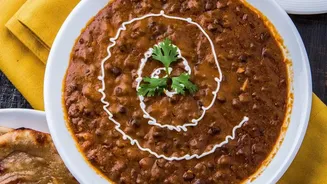
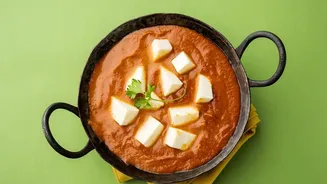
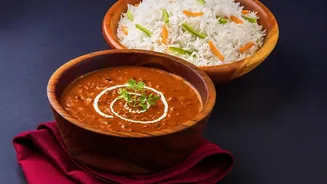
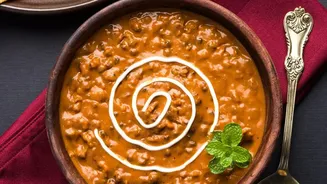
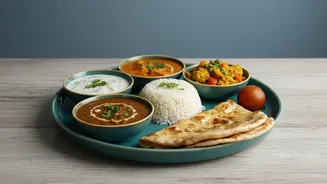
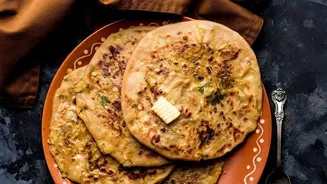
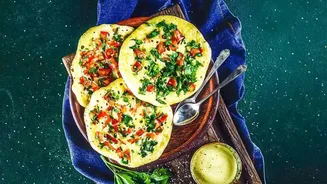
While the overall cuisine ranking is impressive, the celebration of individual dishes truly highlights India's strengths. According to TasteAtlas, some of the most highly-rated Indian foods that global audiences can't get enough of include Butter Garlic Naan, Amritsari Kulcha, Parotta, and Hyderabadi Biryani. Butter Garlic Naan, in fact, was even ranked as the best bread in the world in one of the platform's specific category awards. Other favourites that received top marks include classics like Garam Masala as a key ingredient blend, Dal Makhani, Paneer Tikka, and Masala Dosa. These dishes, from different corners of the country, showcase the variety that makes the cuisine so compelling.
A Continent of Flavours
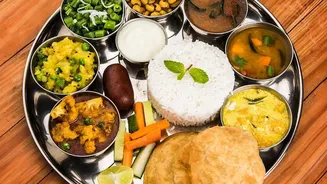
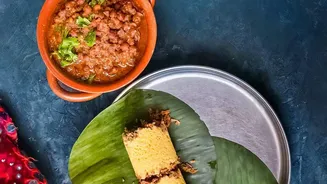
To simply call it 'Indian food' is to barely scratch the surface. India’s culinary identity is a vibrant mosaic of regional traditions, each with its own distinct ingredients, techniques, and flavour profiles. From the rich, creamy curries of the North to the tangy, coconut-based dishes of the South; from the subtle, steamed foods of the East to the robust, spicy flavours of the West, the diversity is staggering. This ranking is not just for one type of dish but for the entire culinary landscape. It celebrates the genius of the roadside vada pav in Mumbai, the artistry of a Hyderabadi biryani, the comfort of a simple dal tadka, and the universal appeal of a perfectly baked naan. This variety is arguably Indian cuisine's greatest asset, offering something for every palate.
More Than Just a Meal
This global recognition does more than just make us proud; it has a real-world impact. It boosts culinary tourism, inspires chefs both in India and abroad, and solidifies Indian food's position as a key element of the nation's soft power. Cities like Mumbai, which was ranked 5th among the world's best food cities, become even bigger draws for international food lovers. The award celebrates the countless home cooks, street vendors, and restaurateurs who have perfected these recipes over generations. It confirms what over a billion people already knew: that the flavours of India, in all their complexity and warmth, are truly world-class.