





The Hidden Salt in a 'Healthy' Food
Clear broths, whether vegetable, chicken, or bone broth, are often perceived as being little more than flavoured water. While they are low in calories and fat, their sodium content can be surprisingly high. Many commercially prepared broths and bouillon
cubes rely on salt as a primary flavour enhancer and preservative. A single cup of canned or boxed broth can contain anywhere from 500 mg to over 800 mg of sodium. Considering that the recommended daily sodium intake for most adults is less than 2,300 mg (about one teaspoon of salt), one serving of broth can account for a third of your daily limit. This is especially true for instant soup powders and bouillon cubes, which are popular for their convenience but are often packed with salt to deliver a powerful taste quickly.
Why So Much Sodium?
Salt plays a crucial role in processed foods beyond just making them taste good. It acts as a preservative, extending the shelf life of products like canned broths. It also enhances umami, the savoury flavour that makes broths so satisfying. Manufacturers know that a flavourful product is more appealing, and salt is the cheapest and most effective way to achieve that. Even products that don't taste overly salty can contain significant amounts of sodium. Over 70% of the sodium in the average diet comes from packaged and prepared foods, not from the saltshaker at the table. This makes it easy to consume too much without even realising it, from sources you might consider healthy.
The Health Risks of Excess Sodium
While our bodies need a small amount of sodium to function correctly—for things like fluid balance and nerve function—too much can be detrimental to our health. A high-sodium diet is a major risk factor for developing high blood pressure (hypertension). High blood pressure forces the heart to work harder and can damage arteries over time, increasing the risk of heart disease, stroke, and kidney disease. Excess sodium can draw water into the bloodstream, increasing blood volume and, consequently, blood pressure. The effects aren't always immediately obvious, but consistently consuming high-sodium foods contributes to long-term health problems.
How to Be a Savvy Broth Shopper
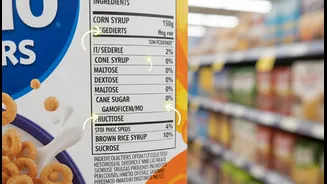
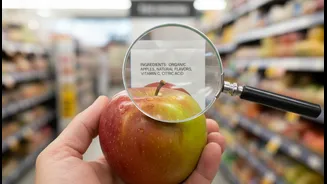
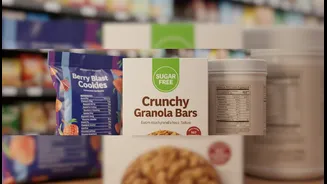
The key to avoiding a sodium overload is to become a diligent label reader. When you're at the grocery store, don't just grab the first box of broth you see. Look for labels that say "low sodium" or "no salt added." According to food labelling guidelines, a "low sodium" product must contain 140 mg of sodium or less per serving. "Reduced sodium" simply means it has at least 25% less sodium than the regular version, which could still be a high number. "No salt added" means no salt was added during processing, but the ingredients themselves will still contain some natural sodium. Pay close attention to the serving size on the nutrition facts panel, as a single can or box often contains multiple servings.
Take Control: Make Your Own Broth
The most effective way to control the sodium in your broth is to make it yourself. It's easier than you might think and allows you to build deep, rich flavour without relying on salt. Simmering vegetables like carrots, onions, and celery, along with aromatic herbs like parsley and bay leaves, can create a delicious vegetable broth. For chicken or bone broth, use leftover bones from a roast chicken. You can add a splash of apple cider vinegar to help extract minerals from the bones. By making your own, you decide how much, if any, salt to add. You can freeze homemade broth in portions for a convenient and genuinely healthy option whenever you need it.