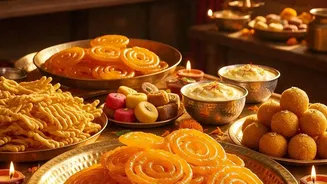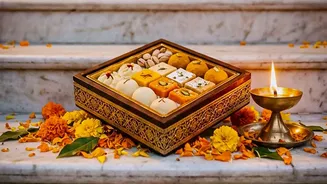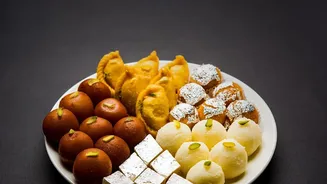

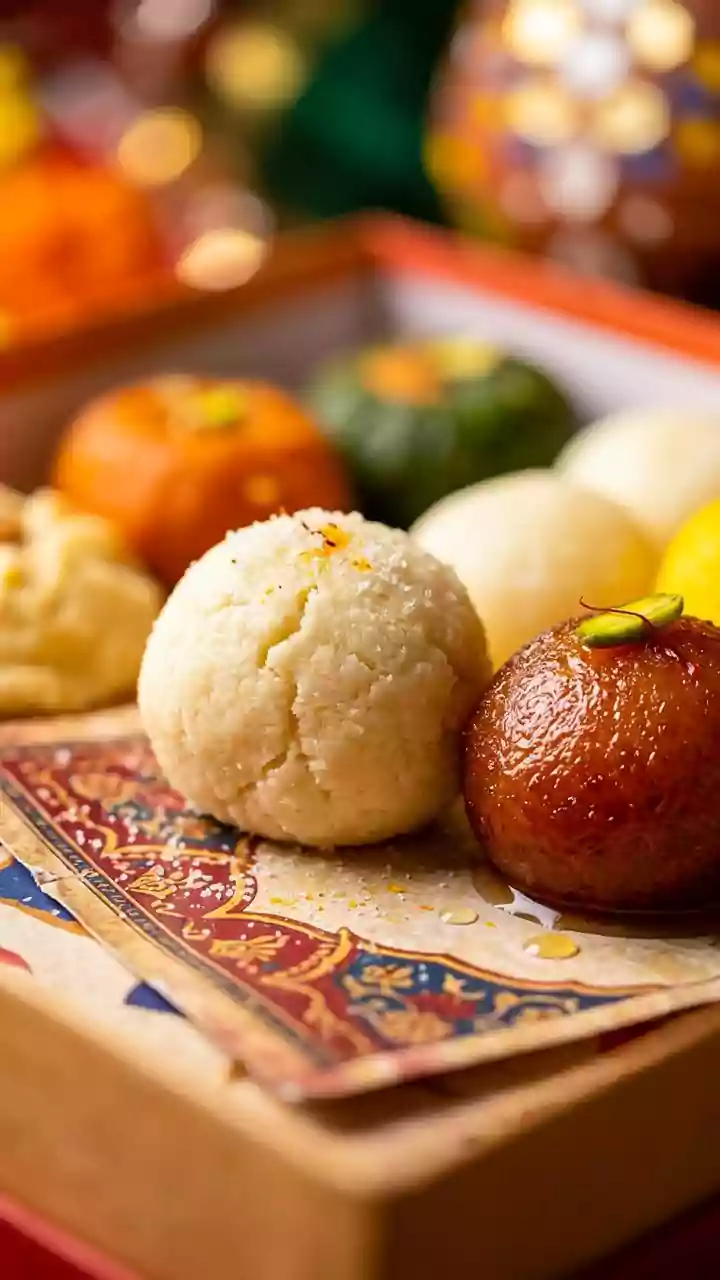
Diwali is a festival of light, joy, and, of course, delicious sweets. But amid the celebrations, the annual debate around sugar can be confusing. This guide helps you move beyond guilt and enjoy your favourite laddoos and barfis mindfully.
More Than Just Sugar
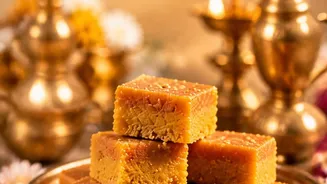
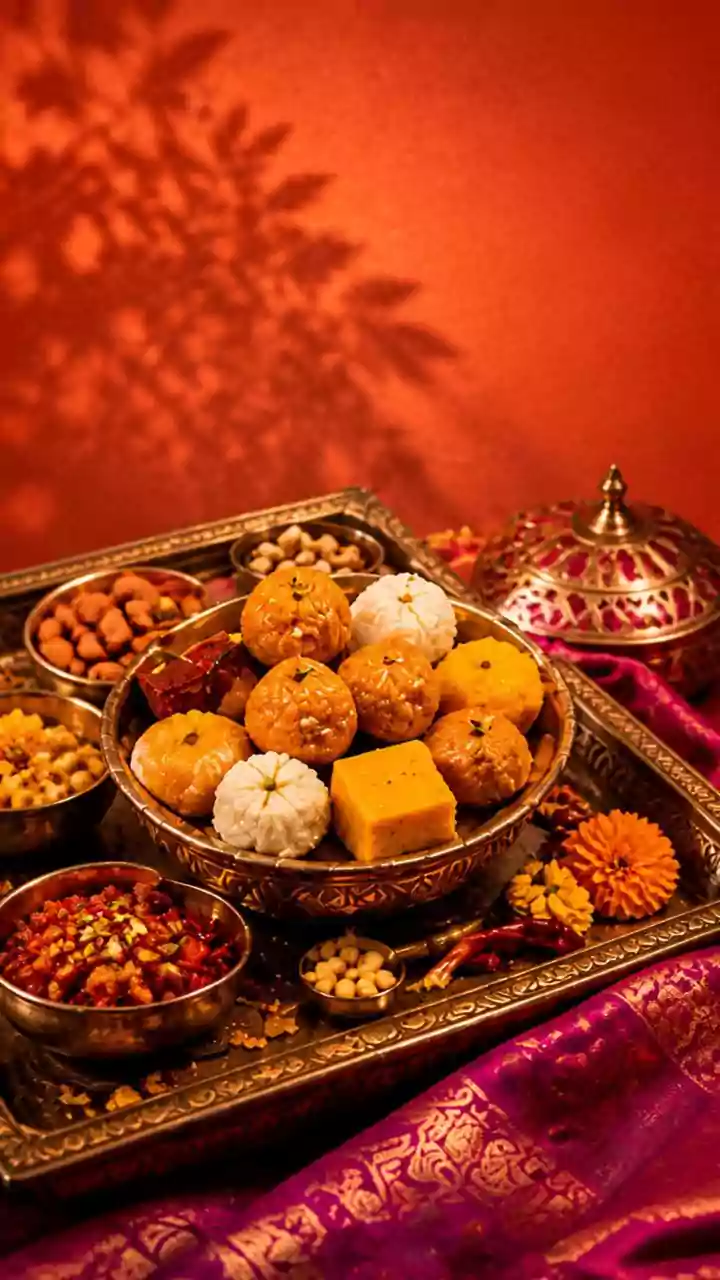
A besan laddoo
or a piece of badam barfi is more than a simple sugar bomb. Unlike many processed desserts, traditional Indian sweets often contain ingredients with their own nutritional profiles. Besan (gram flour), for example, provides protein, fibre, and has a lower glycemic index than refined flour. Ghee, used generously in many recipes, is a source of healthy fats that can slow down sugar absorption and promote a feeling of satiety. Nuts like almonds and cashews, central to barfis and laddoos, contribute protein, healthy fats, vitamins, and minerals. While the sugar content is undeniable, these other components make for a more complex and satisfying treat than one made from just refined flour and sugar. The key is recognising that the entire package of ingredients matters.
Jaggery vs. White Sugar: The Real Story
Many people swap white sugar for jaggery (gur), believing it to be a significantly healthier choice. While it's true that jaggery is less processed and contains trace minerals like iron and magnesium, its impact on blood sugar is not as different as you might think. Surprisingly, some studies show jaggery has a glycemic index (GI) of around 84, which is even higher than white sugar's GI of about 65. This means it can cause a faster spike in blood glucose. Calorie-wise, both are nearly identical. The takeaway is that while jaggery offers a more complex flavour and some micronutrients, it is still an added sugar and should be consumed in moderation, not as a free pass. Substitution is not the same as reduction.
Decoding 'Sugar-Free' and Store-Bought Sweets
The market is flooded with 'sugar-free' mithai during Diwali, but this label can be misleading. Often, these sweets use artificial sweeteners or sugar alcohols, which can have their own digestive side effects. Furthermore, a 'No Added Sugar' label only means no extra table sugar was added; the sweet could still be loaded with natural sweeteners like fruit concentrates, which affect blood sugar similarly. Store-bought sweets, in general, can be a minefield of hidden sugars listed under names like glucose syrup, invert syrup, or maltodextrin. Making sweets at home gives you complete control over the type and amount of sweetener, fats, and other ingredients, making it a much safer bet.
The Art of Mindful Indulgence
Enjoying Diwali doesn't mean you have to skip sweets entirely. The practice of mindful eating can make all the difference. Instead of eating on the go, sit down and savour your chosen mithai. Pay attention to the aroma, texture, and taste. Put your fork or the sweet down between bites. This simple act slows you down, allowing you to truly enjoy the experience and giving your body time to register fullness. Also, avoid eating sweets on an empty stomach; having them after a balanced meal rich in protein and fibre can help slow sugar absorption and prevent sharp blood sugar spikes. A 15-minute walk after indulging can also help your body utilise the glucose for energy.
Smart Swaps and Portion Power
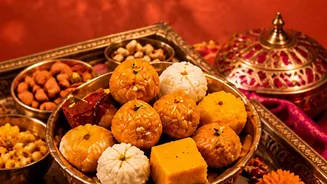
Not all mithai is created equal. Sweets that are primarily milk_based or nut_based, like rasgulla or a dry fruit barfi, are often better choices than deep_fried items like gulab jamun or jalebi, which are high in saturated fats and cause rapid sugar spikes. However, the most powerful tool is portion control. Decide which one or two sweets you truly want to enjoy and stick to that. A single laddoo can contain between 160 to 220 calories, which is significant. Instead of sampling everything in the box, pick your favourite, have a small piece, and put the rest away. Storing them in an opaque container can also reduce the temptation of mindless grazing.