




Understanding the Enemy
Yellow stains have several common culprits. The most frequent cause is a chemical reaction between the aluminum compounds in many antiperspirants and the proteins in your sweat. Over time, this reaction creates that familiar dingy yellowing, especially
in the underarm area of shirts. Other causes include body oils that oxidize, or break down when exposed to air, turning the fabric yellow. Even improper washing, like not using enough detergent or inadequate rinsing, can leave behind residues that yellow over time. Understanding the cause helps you tackle the stain effectively, but the most important rule is universal: act fast.
Your Stain-Fighting Toolkit
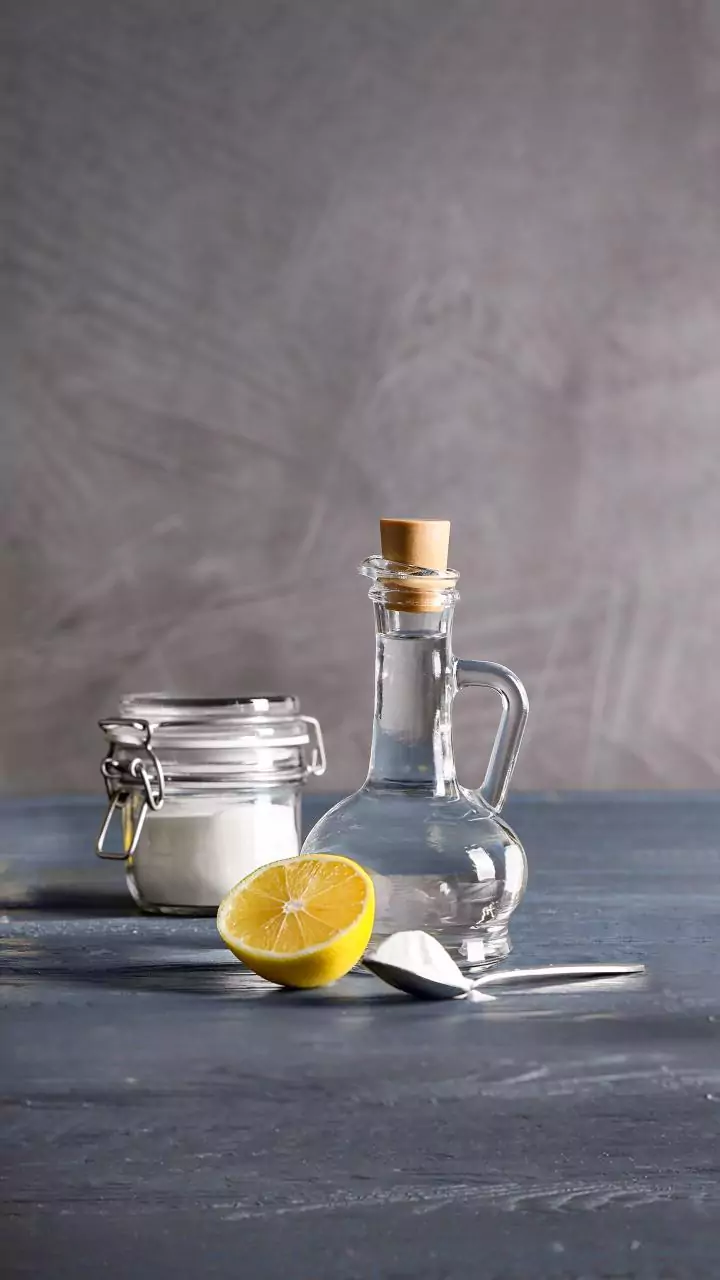
You don't need expensive, specialized chemicals to fight off a fresh yellow stain. In fact, your kitchen cupboard likely holds everything you need. The most effective, readily available stain fighters include distilled white vinegar, baking soda, and 3% hydrogen peroxide. A bit of standard liquid dish soap can also be a powerful ally, especially for oil-based stains. It’s also wise to have a soft-bristled brush, like an old toothbrush, on hand to gently work your cleaning solution into the fabric without causing damage. Always start with the gentlest method first and, if possible, test any solution on an inconspicuous spot, like an inside seam, to ensure it won't affect the fabric's colour.
Step 1: The Pre-Treatment Paste
For most fresh yellow stains, especially those from sweat, a simple paste of baking soda and water is a great first line of defence. Mix about four tablespoons of baking soda with enough water to form a thick paste. Apply it directly onto the stained area and use your fingers or a soft brush to gently rub it in. Let the paste sit on the fabric for at least 30 to 60 minutes; this gives the alkaline baking soda time to start breaking down the organic compounds in the stain. This method is gentle enough for most fabrics and is surprisingly effective at lifting the initial discolouration.
Step 2: A Vinegar or Peroxide Soak
If the stain is a bit more stubborn, it’s time to bring in some acidity or oxidation. For a vinegar soak, mix equal parts white vinegar and water in a basin or spray bottle. Apply the solution to the stain and let it sit for about an hour before washing. For white garments, a paste made from equal parts baking soda, hydrogen peroxide, and water can be even more effective. Apply this mixture to the stain, let it sit for 30-60 minutes, and then proceed to the wash. Hydrogen peroxide acts as a mild, colour-safe oxygen bleach, breaking down the yellow compounds.
Step 3: The Critical Wash and Dry Cycle
After pre-treating, wash the garment as you normally would, but use cold water, as hot water can sometimes set protein-based stains like sweat. Before you even think about putting the item in the dryer, check the stained area carefully. If any hint of yellow remains, the heat from a dryer will likely set the stain permanently, making it nearly impossible to remove later. If the stain is still visible, repeat the pre-treatment steps. Once the stain is completely gone, you can air-dry the garment or tumble dry it on a low heat setting. For white fabrics, drying in the sun can also provide a natural bleaching effect.