




Beyond the Overwater Bungalow
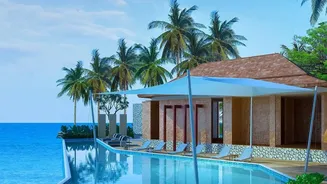
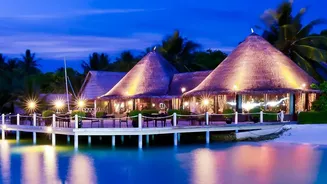
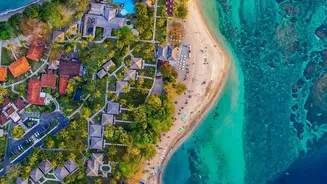
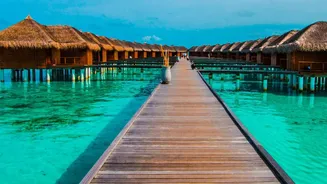
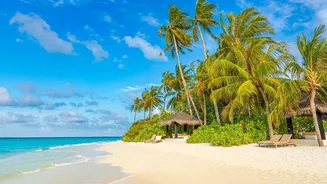
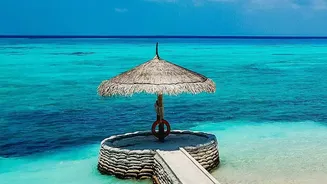
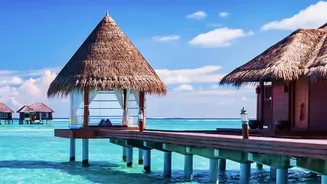
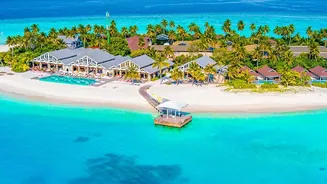
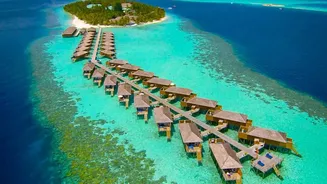
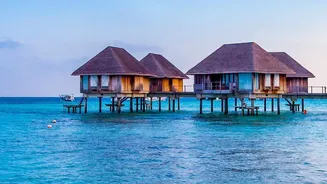
The classic Maldivian holiday has long been defined by a concept of luxurious isolation. The one-island, one-resort model perfected the art of the private escape, where the outside world fades away, leaving only pristine beaches, impossibly blue water,
and impeccable service. For many, this has been the pinnacle of relaxation—a chance to disconnect from the world and reconnect with a partner or oneself in a setting of unparalleled beauty. This model has been incredibly successful, making the Maldives a bucket-list destination for honeymooners and high-end travelers seeking seclusion. Yet, as global travel trends evolve, it is clear that for a growing number of visitors, paradise is no longer just about splendid isolation. They are beginning to look beyond the infinity pool, seeking a more meaningful link to the place they are visiting.
A Growing Desire for Authenticity
Today’s travelers are increasingly driven by a desire for authentic experiences. They want to understand the soul of a destination—its people, its history, and its traditions. This shift has prompted the Maldivian tourism industry to look inward and ask a crucial question: How can it offer the privacy its guests expect while also providing a genuine connection to its rich culture? The answer is unfolding across the archipelago, as resorts and local communities begin to thread cultural experiences directly into the fabric of the visitor journey. This evolution is not just about adding an activity to an itinerary; it represents a deeper understanding that true luxury can also mean authentic connection and cultural enrichment.
Culture Curated by Resorts
Luxury resorts, long the gatekeepers of the Maldivian travel experience, are leading the charge in creative ways. The rhythmic, powerful beat of the Bodu Beru (big drum), a performance with roots stretching back centuries, now echoes through many resort evenings, offering guests a mesmerising glimpse into the nation's African-influenced heritage. Beyond performances, resorts are offering hands-on workshops that connect guests with centuries-old crafts. Some arrange visits to nearby islands like Thulhaadhoo in Baa Atoll, famous for its intricate lacquer work, allowing visitors to meet artisans and witness a tradition passed down through generations. Culinary experiences are also becoming more immersive. Instead of simply serving international cuisine, many high-end properties now offer Maldivian cooking classes, where guests learn to prepare fragrant fish broth or spicy curries using locally sourced ingredients, often from the resort’s own garden.
The Guesthouse Revolution on Local Islands
Perhaps the most significant shift has been the rise of guesthouses on inhabited local islands. A change in government regulations nearly two decades ago opened the door for locals to host tourists, offering an alternative to the private resort model. Staying in a guesthouse on an island like Maafushi or Dharavandhoo provides a completely different, and arguably more direct, cultural immersion. Here, visitors don't just observe local life; they become a temporary part of it. They wake up to the sight of fishing boats heading out for the day's catch, share the beach with local families, and can enjoy traditional 'hedhikaa' (short eats) at a neighborhood café. This model not only makes the Maldives accessible to a wider range of travelers but also ensures that tourist spending directly supports local communities. It offers a chance to experience the famous Maldivian hospitality firsthand, often fostering genuine friendships between hosts and guests.
Finding the Right Balance
This evolution is not without its complexities. The Maldives must navigate the delicate balance between offering authentic cultural engagement and preserving the very way of life that tourists come to see. For resorts, the challenge is to present culture in a way that is respectful and meaningful, rather than a simple performance. For guesthouses on local islands, it involves educating visitors about local customs in a predominantly Muslim nation, such as modest dress codes when away from designated tourist beaches. The economic powerhouse of the luxury resorts still drives the nation's revenue, but the growing cultural tourism segment is adding invaluable depth and diversity to the country's offerings. It signals a move toward a more sustainable and resilient tourism model, one that benefits locals and enriches the experience of visitors.