




The Problem with 'Diet Challenges'
The allure of a diet challenge is undeniable. It offers a structured plan with a clear start and finish line, promising rapid results. However, this approach often frames food as the enemy and relies on intense restriction. While you might see some changes
in 30 days, these sprints are rarely sustainable. More often than not, they lead to burnout and a quick return to old habits, sometimes accompanied by feelings of failure. The Mediterranean way of eating is fundamentally different; experts agree it's less of a diet and more of a lifestyle approach to healthy eating. It isn't about deprivation or a race to a finish line, which is why treating it like a short-term challenge is a recipe for disappointment.
What is Mediterranean Eating, Really?
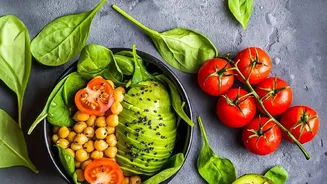
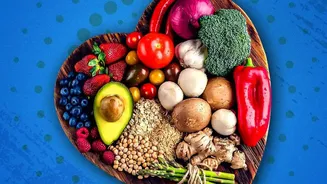
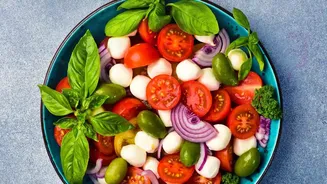
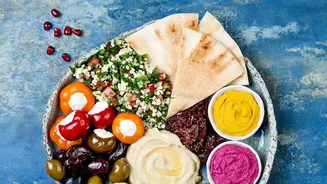
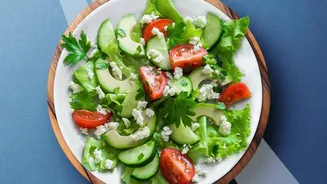
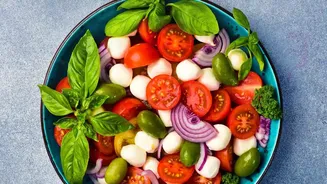
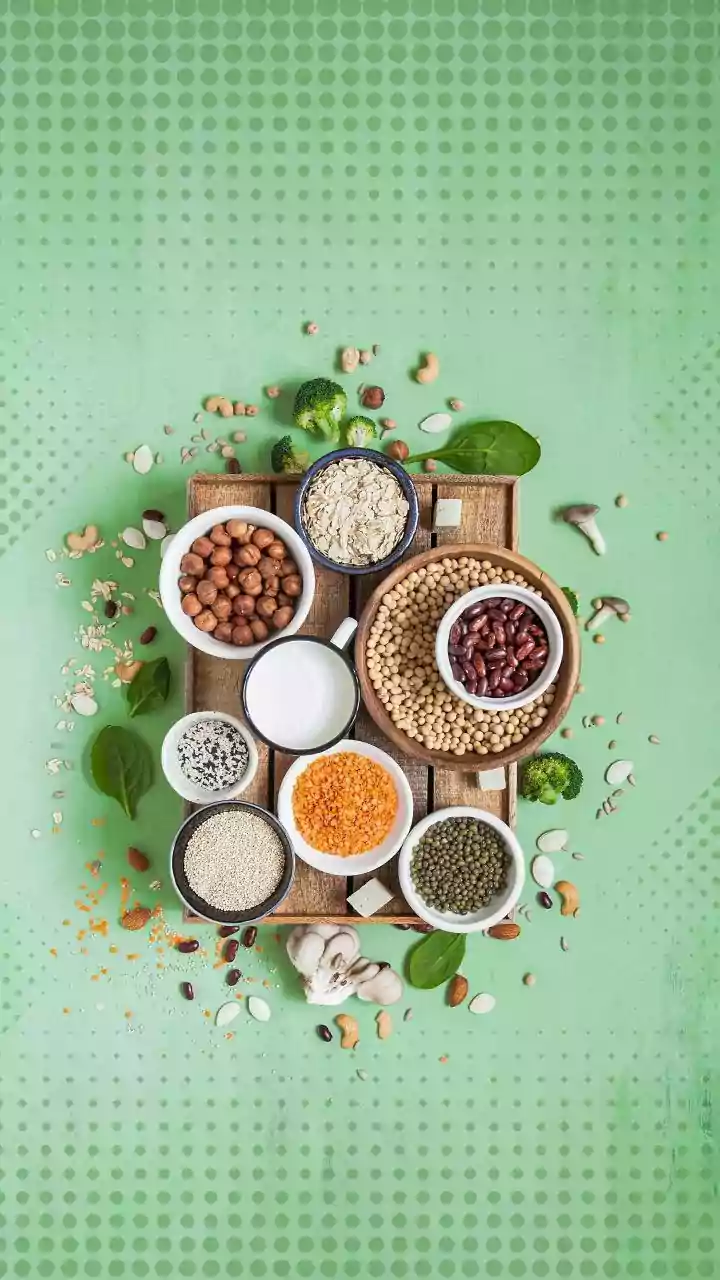
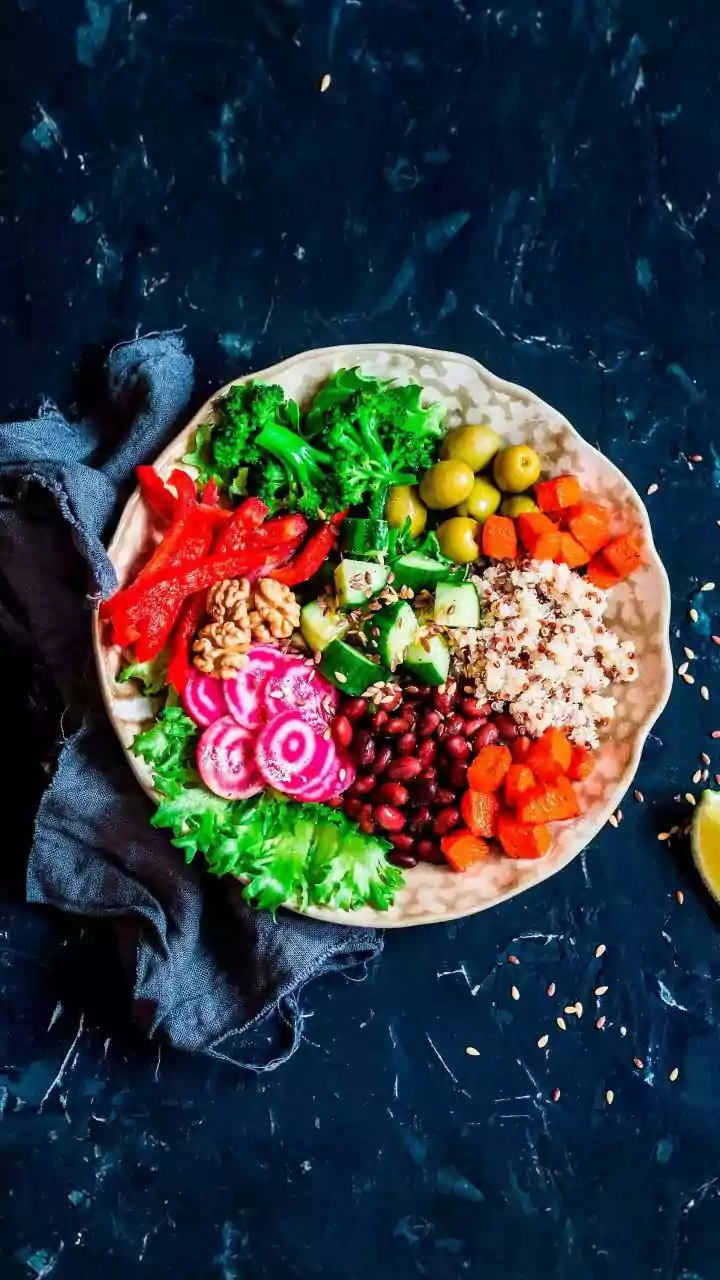
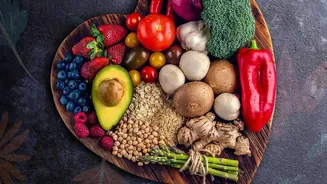
Forget strict rules and calorie counting. The Mediterranean diet is a flexible eating pattern inspired by the traditional foods of countries bordering the Mediterranean Sea. Its foundation is built on an abundance of minimally processed, plant-based foods. Think daily servings of vegetables, fruits, whole grains, and healthy fats, primarily extra virgin olive oil. Fish and seafood are enjoyed a couple of times a week, while poultry, eggs, and dairy are eaten in moderation. Red and processed meats, along with sweets, are saved for special occasions rather than being forbidden entirely. This focus on adding nutrient-dense foods, rather than just subtracting 'bad' ones, makes it a more positive and sustainable framework for your meals.
The Power of a Lifelong Habit
The most significant, science-backed benefits of the Mediterranean diet aren't achieved in a matter of weeks. They are the result of long-term, consistent practice. Numerous studies have linked this eating pattern to a lower risk of heart disease, type 2 diabetes, and certain cancers. Research suggests it can preserve brain function as you age and reduce the risk of cognitive decline. One major long-term study found that women who closely followed a Mediterranean diet had a 25% reduced risk of heart attack and stroke over a 12-year period. Another found that long-term adherence had a more profound and positive impact on gut health than short-term dietary changes. These remarkable outcomes are a testament to the power of small, consistent choices made over months and years, not days.
How to Shift from 'Diet' to Lifestyle
Adopting the Mediterranean way of life doesn't require a dramatic overhaul. The key is to make small, gradual changes that feel manageable and enjoyable. Start by adding, not subtracting. Focus on getting more vegetables on your plate at every meal. Swap butter for extra virgin olive oil when you cook. Aim to eat fish twice a week. Instead of refined white bread, choose whole-grain options. Crucially, the lifestyle also emphasizes enjoying meals with others and being physically active. It's about finding pleasure in fresh, flavorful food and appreciating its role in a vibrant, healthy life. This approach removes the pressure of perfection and allows you to build lasting habits at your own pace.