



What is a Double-Carb Meal?
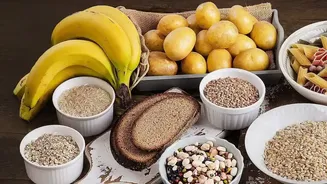
A 'double-carb' meal is exactly what it sounds like: a meal that features two or more significant sources of starchy carbohydrates. In the Indian context, this is incredibly common and often traditional. Think of having rice and roti together on the same
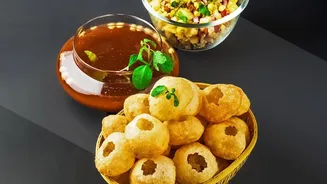
plate, eating a potato-filled samosa with a bread roll, or enjoying biryani that contains both rice and potatoes. While delicious and comforting, these combinations can significantly increase the total carbohydrate and calorie content of your meal, often without adding much in the way of protein or fibre.
The Science: Glycaemic Index and Load
To understand the impact, we need to know two terms: Glycaemic Index (GI) and Glycaemic Load (GL). The GI ranks carbohydrate-containing foods on a scale from 0 to 100 based on how quickly they raise blood sugar levels after being eaten. Foods with a high GI, like white bread or potatoes, are digested quickly, causing a rapid spike in blood sugar. Foods with a low GI, like whole oats or lentils, are digested more slowly, leading to a gentler rise. However, GI doesn't tell the whole story. Glycaemic Load (GL) is a more practical measure because it considers both the GI and the actual amount of carbohydrate in a serving. You can think of it this way: GI is the speed at which a food raises blood sugar, while GL is the total impact of that serving on your blood sugar.
Why High Glycaemic Load is a Concern
When you eat a large double-carb meal, you're often consuming a high glycaemic load. This causes a sharp increase in blood glucose. Your pancreas responds by releasing a large amount of insulin to help your cells absorb this sugar for energy. Any excess glucose that isn't used immediately gets stored as fat. This rapid spike is often followed by a 'crash', where your blood sugar levels drop quickly, leading to feelings of fatigue, hunger, and cravings for more sugary foods. Over time, frequently repeating this cycle can contribute to weight gain, insulin resistance, and an increased risk of developing type 2 diabetes and cardiovascular disease.
More Carbs, More Calories
The issue isn't just about blood sugar. These double-carb meals also tend to be higher in total calories, or what nutritionists call 'total energy intake'. It's easy to unintentionally eat larger portions when your plate is filled with different starchy items. Combining two carb sources can lead to a higher calorie count without necessarily making you feel fuller for longer. This happens because these meals are often lower in protein and fibre, the two nutrients most responsible for satiety, or the feeling of fullness. This can create a cycle of overeating and contribute to a calorie surplus, which is a key driver of weight gain.
Rethinking Your Indian Plate
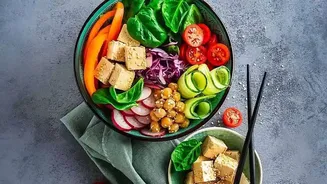
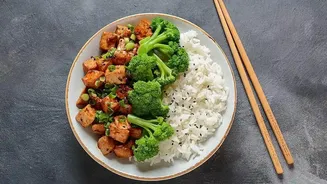
The solution isn't to eliminate beloved staples like rice or roti. Instead, it's about creating a more balanced plate. Nutrition experts recommend a simple visual rule: fill half of your plate with non-starchy vegetables (like leafy greens, cauliflower, beans, or a fresh salad), one-quarter with a lean protein source (such as dal, chole, paneer, eggs, or chicken), and the remaining one-quarter with a single source of complex carbohydrates (like roti, brown rice, or millets). This structure ensures you get a healthy dose of fibre, vitamins, and protein, which helps slow down digestion and leads to a more gradual release of sugar into the bloodstream.
Simple Swaps for Better Balance
Making a change is easier than you think. You don't have to give up your favourite foods, just adjust the combination. If you're having dal and rice, skip the roti and add a large serving of sabzi or salad instead. If you're having roti with a curry, choose a protein-rich curry like rajma or paneer bhurji instead of a potato-based one like aloo matar. The goal is to pair your single carbohydrate source with ample protein and fibre. This approach not only manages the glycaemic load but also improves the overall nutritional quality of your meal, helping you stay full and energised for longer.