






An Ambitious New Chapter for Delhi
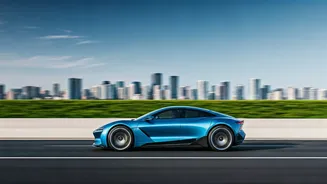
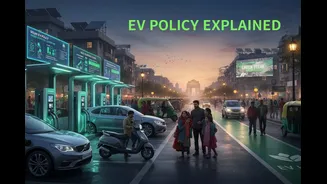
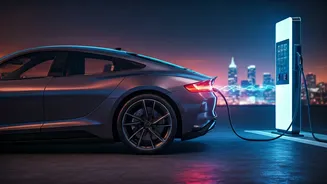
The Delhi government has approved its ambitious Electric Vehicle (EV) Policy 2.0, backed by a massive ₹15,000 crore budget. Set to be in effect from July 1, 2026, until March 2030, the policy aims to drastically accelerate the city's transition to zero-emission
transport. The core of the new framework includes significant purchase incentives, scrappage benefits for older polluting vehicles, and a complete waiver on road tax and registration fees for EVs priced up to ₹30 lakh. However, the most debated aspect is its clear verdict: there will be no financial incentives or tax concessions for hybrid vehicles. This decision marks a significant U-turn from a draft policy that had proposed a 50% road tax waiver for strong hybrids, signaling a strategic choice to back fully electric technology exclusively.
The Rationale: Why Hybrids Are Left Out
The government's decision to exclude hybrids stems from a clear objective: to channel public funds towards technologies that offer the maximum environmental benefit. According to officials, the policy is focused entirely on zero-emission vehicles to transform Delhi into a pollution-free city. While some stakeholders argued that hybrids could serve as a practical transitional technology for consumers hesitant about issues like range anxiety and charging infrastructure, the final policy reflects a different philosophy. Major domestic EV manufacturers like Tata Motors have publicly supported the move, stating that incentives should accelerate technologies with zero tailpipe emissions. The concern was that promoting hybrids could slow the adoption of battery electric vehicles and delay the development of essential charging infrastructure.
A Push for a Pure Electric Future
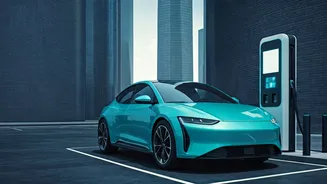
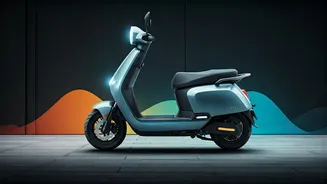
The policy isn't just about incentives; it sets firm deadlines to phase out internal combustion engine (ICE) vehicles. From January 1, 2027, Delhi will stop registering new petrol, diesel, and CNG auto-rickshaws and certain commercial trucks. An even bigger shift is scheduled for April 1, 2028, after which every new two-wheeler registered in the capital must be electric. This is particularly significant as two-wheelers constitute nearly 67% of Delhi's vehicle population and are major contributors to vehicular emissions. To support this massive shift, the government plans to install over 30,000 public charging points across the city.
What This Means for Car Buyers
For prospective car buyers in Delhi, the new policy creates a clear financial divide. Those opting for a pure EV can expect substantial benefits. This includes purchase incentives of up to ₹30,000 for two-wheelers and ₹50,000 for three-wheelers in the first year. Furthermore, scrapping an old BS-IV or earlier vehicle to buy a new EV can fetch an additional incentive of up to ₹1 lakh for car owners. In contrast, buyers of strong hybrid models—which combine a petrol engine with an electric motor—will receive no such benefits. This makes the upfront cost of a hybrid vehicle in Delhi comparable to that in other states without EV-friendly policies, potentially pushing consumers either towards conventional petrol cars or fully electric models.
Industry Divided, Experts Weigh In
The auto industry's reaction has been mixed. While some manufacturers focusing on pure EVs have applauded the policy as a benchmark for other states, others have expressed concern about the aggressive timelines and the exclusion of hybrids as a transitional step. Critics argue that the market may not be ready for a complete pivot to electric, citing challenges like high upfront costs for consumers, inadequate charging infrastructure, and the lack of a robust battery-swapping ecosystem. Some also point to the success of neighbouring Uttar Pradesh, where a road tax exemption saw a 175% rise in monthly hybrid sales, suggesting Delhi might be missing out on a viable interim solution to curb emissions. However, supporters maintain that this decisive, EV-only approach is exactly the kind of bold move needed to tackle Delhi's chronic air pollution crisis head-on.