



The Green Stage: High in Starch, Low in Sugar
A green, or unripe, banana has a firm texture and a less sweet, almost starchy taste. This is because it is packed with resistant starch, a type of carbohydrate that functions similarly to fiber. Your body doesn't easily digest it, meaning it doesn't cause a rapid
spike in blood sugar. In fact, green bananas have a low glycemic index, around 30-42, making them a good choice for individuals focused on blood sugar management. This resistant starch is also a prebiotic, feeding the beneficial bacteria in your gut and supporting digestive health. The higher fiber content, which includes both resistant starch and pectin, can also help you feel fuller for longer, aiding in weight management. For those with certain digestive sensitivities like IBS, green bananas are considered a low-FODMAP food, which are less likely to cause symptoms like gas and bloating.
The Yellow Stage: The Classic, Balanced Choice
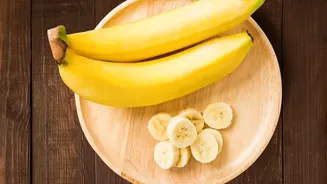
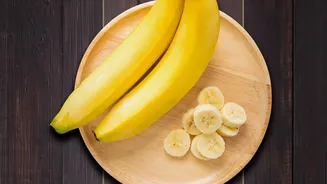
As a banana ripens to a uniform yellow, its nutritional profile shifts. The resistant starch converts into simple sugars like fructose and glucose, which is why yellow bananas are noticeably sweeter and softer. This conversion also makes them easier to digest for many people. While the sugar content is higher, a medium-ripe banana is still considered a low-to-medium glycemic index food, typically with a GI around 51. This stage is often seen as providing a good balance of sweetness and nutrients. The micronutrient profile, including key minerals like potassium and vitamins like B6, remains strong as the banana ripens. This is the go-to stage for a convenient, energizing snack that offers a pleasant taste and texture for most people.
The Spotted Brown Stage: Peak Sweetness and Antioxidants
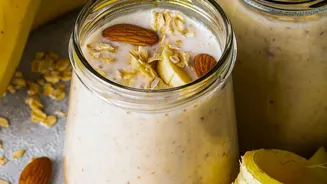
Those brown spots are not a sign of decay but an indicator that the banana is at its sweetest. At this stage, nearly all the starch has turned into sugar, making it the highest-sugar version of the fruit. The texture becomes much softer, which is why overripe bananas are perfect for baking banana bread or blending into smoothies. While the fiber content decreases, something else increases: antioxidants. Studies suggest that as bananas become fully ripe and develop spots, their levels of antioxidants, which help protect your body's cells from damage, are at their peak. Some research has even pointed to higher levels of compounds that can support the immune system. Due to the higher sugar content and lower fiber, they are digested very quickly, providing a rapid source of energy.
So, Which Banana Is Best For You?
The ideal banana really depends on your individual health goals and preferences. For those managing blood sugar levels or focusing on gut health, the high resistant starch in green bananas is a clear winner. They keep you full and feed good gut bacteria. If you're looking for an all-around healthy snack with a balance of sweetness and energy, a perfectly yellow banana is an excellent choice. For those who need easily digestible energy or want to maximize their antioxidant intake, a brown-spotted banana is the way to go—just be mindful of the higher sugar content. It’s also the best option for adding natural sweetness to recipes. Ultimately, for the average healthy person, the differences are not drastic enough to label one stage 'bad' and another 'good.'