







A Taste of Home in Zero Gravity
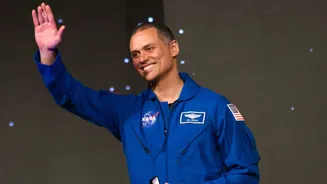
For astronauts on long missions, food is more than just fuel; it's a crucial link to home and a source of psychological comfort. On the Axiom-4 mission, which took him to the International Space Station (ISS), Group Captain Shubhanshu Shukla was able
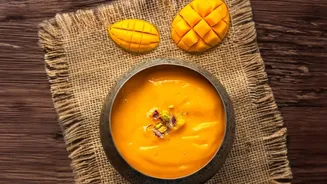
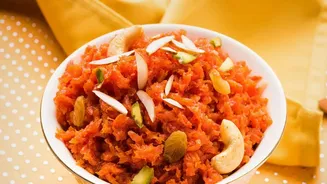
to share a piece of Indian culinary heritage with his international crewmates. The menu included Gajar Ka Halwa, Moong Dal Halwa, and Aamras, specially prepared by the Defence Food Research Laboratory (DFRL). This wasn't the first time Indian food has been in space—DFRL also prepared meals for Rakesh Sharma's 1984 mission—but this recent selection highlights the rigorous process of making Earthly dishes fit for orbit.
The Strict Rules of Dining in Space
Sending food to space isn't as simple as packing a tiffin. Every item must pass a battery of stringent tests to be certified 'space-worthy'. First, there's the zero-gravity problem. Food cannot produce crumbs, as floating particles can clog air vents or get into an astronaut's eyes. Second, with no refrigerators for food on the ISS, everything must have a long shelf life at room temperature. This is often achieved through methods like freeze-drying or thermostabilization—a process similar to canning where food is heat-treated in a pouch to kill microbes. The food also needs to be nutritionally dense, easy to prepare (often just by adding water), and safe to consume. Finally, texture and taste matter, especially since microgravity can dull an astronaut's sense of taste and smell.
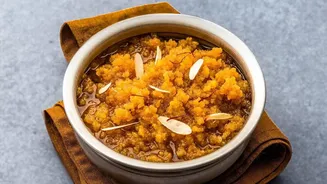
Why Gajar Ka Halwa Passed the Test
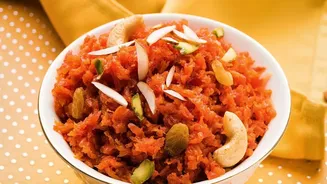
Gajar Ka Halwa, a dense, moist pudding, is almost perfectly suited for these conditions. Its consistency is naturally low-crumb. As a homogenous mixture, it behaves predictably in microgravity. Most importantly, it can be easily made shelf-stable through thermostabilization without losing its signature flavour and texture. Packaged in a retort pouch, it becomes a ready-to-eat dessert that offers a high-energy, comforting treat for astronauts. The process ensures it remains safe and delicious for months. Shukla noted that his international crewmates thoroughly enjoyed the Indian desserts he shared, a testament to their successful adaptation for space.
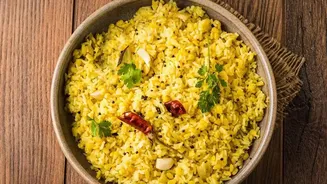
The Trouble with Khichdi in Orbit
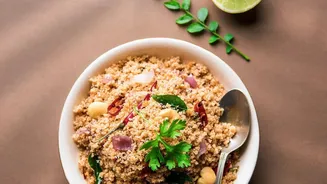
Khichdi, on the other hand, presents several challenges. While it's a simple one-pot meal on Earth, its components—rice, lentils, and often vegetables—can be tricky in space. Achieving the right consistency is difficult; too much water makes it mushy, too little leaves it uncooked. This is a problem when rehydrating food in space, as results need to be consistent every time. Furthermore, the mixture of grains and lentils could separate, and if not perfectly processed, might not have the required shelf life. According to Shukla, while Khichdi and other Indian dishes were prepared by DFRL, they couldn't complete the extensive qualification tests in time for the mission. It required more research and development to ensure it would be safe, stable, and palatable in zero gravity.