






The Promise of Papain
Papain is a type of proteolytic enzyme, which means its main job is to break down proteins into smaller fragments like peptides and amino acids. This property is why papain is a star ingredient in commercial meat tenderizers. The logic follows that if
it can tenderize a steak, it must be able to help our bodies digest protein-heavy meals more efficiently. This idea has positioned papain, and by extension papaya, as a go-to remedy for digestive woes like bloating and indigestion. Many studies have explored its potential to reduce inflammation, aid wound healing, and even ease a sore throat, though much of this research uses concentrated extracts, not the fruit itself.
The Claim: A Digestive Powerhouse
The most common health claim you'll hear is that a few slices of papaya after a heavy meal will help your digestive system break everything down, preventing that uncomfortable, bloated feeling. The belief is that the papain in the fruit gets to work in your stomach, assisting your natural digestive processes. Some anecdotal reports and folk medicine traditions have promoted papaya for everything from constipation to heartburn. This has cemented papaya's status as more than just a sweet fruit, but as a functional food that can actively improve your gut health with every bite.
The Reality: Concentration and Context
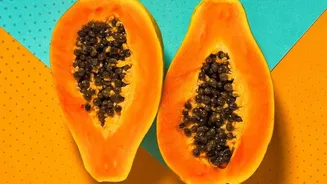
Here’s where we need to manage expectations. The highest concentration of papain is found in the latex of unripe, green papaya—the part of the plant most people don't eat. The sweet, ripe, orange-fleshed papaya that we commonly enjoy contains significantly lower levels of this enzyme. Furthermore, for an enzyme to work, it needs the right environment. While some studies suggest papain can function in the stomach's acidic conditions, its effectiveness is debatable when consumed in the small amounts present in ripe fruit. So, while eating papaya might feel good, it's unlikely you're getting a therapeutic dose of papain from your fruit salad.
The Real Benefits of Eating Papaya
So, should you stop eating papaya? Absolutely not. While the papain effect might be overstated for the ripe fruit, papaya is a nutritional powerhouse for other reasons. It is incredibly rich in Vitamin C, often containing more than 100% of the daily recommended value in a single small fruit. It's also an excellent source of Vitamin A, folate, potassium, and antioxidants like lycopene. Crucially, papaya is a great source of dietary fiber, which is scientifically proven to aid digestion, promote regular bowel movements, and support a healthy gut microbiome. The benefits you feel after eating papaya are likely coming from this fantastic combination of vitamins, antioxidants, and fiber, rather than a large dose of papain.
Supplements vs. The Whole Fruit
It’s important to distinguish between eating papaya and taking a papain supplement. Papain supplements contain a much more concentrated and potent dose of the enzyme. These can be effective for specific issues like reducing inflammation or aiding digestion for those with certain medical conditions, but they also come with potential risks. High doses can cause throat and stomach irritation. They can also interact with medications like blood thinners and are generally not recommended for pregnant women or people with latex allergies. Taking a supplement is a medical consideration that should be discussed with a healthcare provider, whereas eating the fruit is simply part of a healthy diet.