






The Promise and Peril of Smooth Feet
The quest for soft, sandal-ready feet often involves scrubs, pumice stones, files, and chemical peels. These methods work by removing the outer layer of dead skin cells. When done correctly, exfoliation can improve skin texture and help moisturisers penetrate
more effectively. However, aggressive or frequent exfoliation can do more harm than good. The skin on our feet is naturally thick to withstand daily pressure, but over-exfoliating can strip this protective barrier, leading to redness, sensitivity, dryness, and even small cuts or cracks that invite infection. This can create a vicious cycle; when the body senses this damage, it may produce even more skin cells as a defense mechanism, ironically making calluses worse.
Recognising the Signs of Over-Exfoliation
It is crucial to listen to your skin and recognise the warning signs of over-exfoliation. If your feet feel tight, burn, or sting when you apply other products, it's a sign that your skin's barrier is compromised. Other telltale symptoms include persistent redness, inflammation, and increased dryness or flakiness. Your skin might even develop a shiny, waxy appearance, which can be mistaken for a healthy glow but is actually a sign of excessive dryness and exposure. In some cases, you might notice new breakouts or increased sensitivity. If you experience any of these signs, it is essential to stop all forms of exfoliation immediately and allow your skin time to heal, which can take anywhere from a few days to a couple of weeks depending on the severity.
A Critical Warning for People with Diabetes
For individuals with diabetes, the risks of over-exfoliating are significantly higher and potentially severe. Diabetes can lead to several complications that affect foot health, including peripheral neuropathy, which is nerve damage that reduces the ability to feel pain, heat, or cold. A person with neuropathy might not even notice a small cut, blister, or burn from an aggressive exfoliation treatment. Furthermore, diabetes often causes poor circulation, which slows down the body's natural healing process. A minor crack or wound that would heal quickly on a healthy person can become a chronic, non-healing ulcer for a person with diabetes, dramatically increasing the risk of serious infections and, in the worst cases, amputation. For these reasons, many experts advise people with diabetes to avoid harsh chemical peels and aggressive physical scrubbing altogether.
Safe Foot Exfoliation at Home
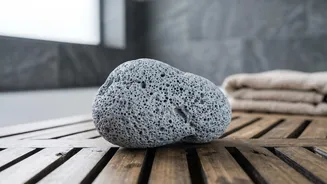
Gentle care is the key to healthy feet for everyone, especially those at higher risk. If you choose to exfoliate at home, always begin by soaking your feet for about 10-15 minutes in lukewarm—not hot—water to soften the skin. Instead of harsh metal files or graters, opt for a gentle pumice stone. Wet the stone and rub it in circular motions over callused areas, using light pressure. Never try to remove a callus in one session. The goal is gradual improvement. Avoid cutting cuticles, as they serve as a protective barrier against infection. After exfoliating, rinse and thoroughly dry your feet, paying special attention to the areas between your toes where moisture can lead to fungal growth.
Moisturise and Know When to Seek Help
After any exfoliation, and indeed on a daily basis, applying a good moisturiser is vital. This helps keep the skin soft and prevents cracks from forming. Look for rich creams, but avoid applying lotion between the toes to prevent a moist environment where fungus can thrive. For people with diabetes, daily foot inspection is non-negotiable. Check for any cuts, blisters, redness, or swelling. If you have thick or persistent calluses, do not attempt to remove them with sharp tools. It is far safer to seek professional care. A podiatrist can safely remove calluses and provide personalised advice on foot care. If you have diabetes and notice any wound or break in the skin, no matter how small, it is crucial to consult your doctor immediately.