






Meet the Loaf Causing the Commotion
The source of the stir is Rye by Martin Auer, the first U.S. outpost of a well-established Austrian bakery chain, which opened its doors on a fashionable stretch of Lafayette Street. The interior feels more like a minimalist art gallery or a luxury boutique
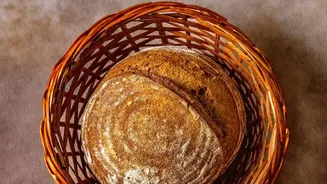
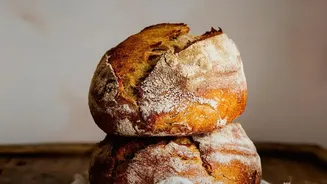
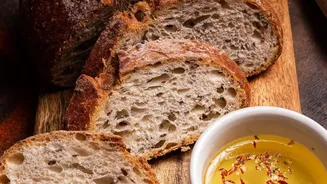
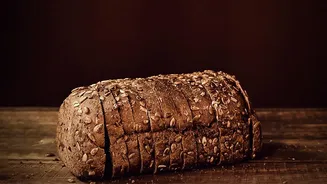
than a cozy bakery, designed to showcase a single product: a massive, round, dark-crusted loaf of 100% rye sourdough. There are no croissants, no baguettes, just this one specific bread, which can be purchased whole for $60, by the half for $30, or by the quarter for $15. For those wanting just a taste, slices are available with toppings that range from simple butter and chives to pricey fish roe.
The Anatomy of a Sixty-Dollar Loaf
So, what goes into a bread that commands such a price? The bakery's owners, Martin Auer and his son Tim, argue it's a combination of superior ingredients, painstaking process, and unavoidable overhead. The recipe itself is deceptively simple: organic rye flour, water, and salt. But the flour is specially milled and imported from Austria. The fourth, and perhaps most crucial, ingredient is time. The bread is made with a 57-year-old sourdough starter, undergoes a fermentation process of up to 24 hours, and then rests for at least eight hours after baking before it can even be sold. This slow method, they claim, develops a deep, complex flavor and makes the bread easier to digest.
More Than Just Bread, It's a Conversation Piece
In New York, you're rarely just buying the thing itself. You're buying the story, the experience, the brand. The $60 loaf is no different. It has become a viral sensation, drawing a mix of outrage, curiosity, and genuine foodie enthusiasm. For some, it's a status symbol, an edible flex in a city obsessed with the new and exclusive. For others, it’s a culinary pilgrimage to taste a product made with uncompromising dedication. The bakery itself is designed as a “bread theatre,” with a glass-fronted kitchen where customers can watch the entire artisanal process unfold. This isn't just about grabbing a staple food; it's about participating in a retail performance.
A Tale of Two Cities
The loaf has also become a lightning rod for criticism, symbolizing the ever-widening gap between the city's ultra-wealthy and its everyday residents. Critics online and even from within the culinary world have called the price “out of touch,” arguing that turning a basic food into an extreme luxury item is tone-deaf, especially when many New Yorkers face rising food costs. One rival supermarket chain even parked an ad truck outside the bakery, cheekily pointing out that $60 could buy 122 of its croissants. The debate highlights a fundamental question about modern urban life: In a market that can support a $1,000 sundae and a $2,000 pizza, where is the line between artisanal quality and absurd luxury?