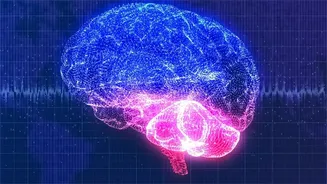







We all know air pollution is bad for our lungs and hearts, but a growing body of research is revealing a more insidious threat: the air we breathe may be ageing our brains, increasing the risk of conditions like dementia. Here's what to know.
The Link Between Air and Brain
Recent scientific
studies are drawing a firm line connecting long-term exposure to air pollutants with cognitive decline. One key area of focus is the link between dirty air, accelerated biological ageing, and a higher risk for dementia. It’s not just one factor but a cascade of effects: pollutants enter the body, trigger inflammation and stress, and appear to speed up the ageing process at a cellular level, which in turn affects the brain. Research has linked higher exposure to pollutants like fine particulate matter (PM2.5) with smaller brain volume and other structural changes that are markers of brain ageing. Some studies even found that the negative impact on memory from earlier-in-life pollution exposure could persist for years, even if air quality later improved.
What Are Biological Ageing Markers?
Your chronological age is the number of years you've been alive. Your biological age, however, reflects the health and condition of your cells and tissues. Scientists use 'biological ageing markers' to measure this. These aren't one single thing, but rather a collection of indicators. They can include the length of telomeres (protective caps on our DNA that shorten with age), epigenetic changes (chemical modifications to your DNA that alter gene activity), and levels of inflammation in the body. When your biological age is higher than your chronological age, it suggests your body is ageing faster than expected, increasing your vulnerability to age-related diseases like dementia. Air pollution appears to be a key environmental factor that can widen this gap.
How Pollution Accelerates Ageing
The main culprits in the air are tiny particles called fine particulate matter, or PM2.5. These particles are incredibly small—40 times smaller than the width of a human hair—and come from sources like traffic exhaust, industrial emissions, and burning fuel. Because they are so fine, they can bypass the body's natural defences, enter the bloodstream through the lungs, and even cross the protective blood-brain barrier. Once inside, they trigger a chain reaction. The body perceives these pollutants as invaders, launching an inflammatory response. This chronic, low-grade inflammation, sometimes called 'inflammaging', along with oxidative stress, can damage cells, shorten telomeres, and disrupt normal gene function—all hallmarks of accelerated ageing.
The Connection to Dementia
So how does this cellular ageing lead to dementia? The process is complex and not yet fully understood, but there are several leading theories. The chronic neuroinflammation caused by pollutants is a major factor, as it is known to contribute to neurodegenerative diseases. Furthermore, studies suggest that pollution-induced epigenetic changes can affect genes associated with Alzheimer's disease. Research has also shown a direct link between PM2.5 exposure and physical changes in the brain, such as reduced brain volume and a higher risk of 'silent strokes'—tiny brain infarcts that increase dementia risk over time. One study startlingly found that a small increase in PM2.5 was associated with brain shrinkage equivalent to about one year of ageing.
What Does This Mean for You?
While you can't control the air quality of an entire city, understanding the risk is the first step. The evidence suggests that public health policies aimed at reducing pollution are critical for long term brain health. Lifestyle factors like diet, exercise, and not smoking remain the most proven ways to reduce your personal dementia risk. However, some research notes that even healthy lifestyle choices may not be enough to completely offset the damage from structural exposure to toxic air. The growing body of evidence reinforces the importance of both individual health choices and collective action for cleaner air. It's a reminder that our environmental health and our personal health are deeply intertwined.