





Why Your Ankles Deserve Attention
We often don't think about our ankles until they cause problems. But these complex joints are foundational to nearly every move we make, from walking across the room to standing up from a chair. They act as the body's primary shock absorbers and are packed
with nerves that help with proprioception—your sense of where your body is in space. Stiff or weak ankles can compromise your balance, making you less stable on uneven ground and increasing the risk of trips and falls, especially in older adults. A lack of ankle mobility forces other joints, like your knees and hips, to compensate, which can lead to strain and injury over time. For these reasons, dedicating a few moments to ankle health is a wise investment in your long-term mobility and independence.
Small Circles, Big Rewards
The beauty of ankle circles lies in their simplicity and effectiveness. This gentle, dynamic stretch offers a host of benefits that go far beyond the joint itself. Firstly, it enhances your ankle's range of motion, improving flexibility and helping to release tension. This is crucial for performing daily activities that require a full range of movement, like squatting down or navigating stairs. Secondly, ankle circles are fantastic for boosting circulation, especially in the lower legs. This makes them an ideal exercise for office workers, frequent flyers, or anyone who spends long periods sitting, as it helps combat the blood pooling that can cause swelling and discomfort. Finally, the movement strengthens the small muscles around the joint, which contributes to better overall stability and balance.
How to Do a Standing Ankle Circle
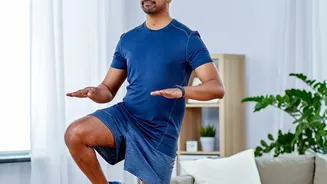
The traditional way to perform an ankle circle is while standing, which adds a small balance challenge. Before you begin, stand next to a wall, countertop, or the back of a sturdy chair that you can hold for support. Shift your weight onto one leg. Lift the other foot slightly off the floor, just a few inches is fine. Now, slowly and with control, trace a large circle with your toes. Imagine you are drawing the circle with your big toe. It's important to isolate the movement to your ankle, trying not to move your entire leg from the knee or hip. Perform 10-15 circles in a clockwise direction, then reverse and complete another 10-15 circles counter-clockwise. Switch legs and repeat the entire sequence. Remember to move slowly to feel the full stretch and engage the muscles properly.
The Accessible Alternative: Seated Circles
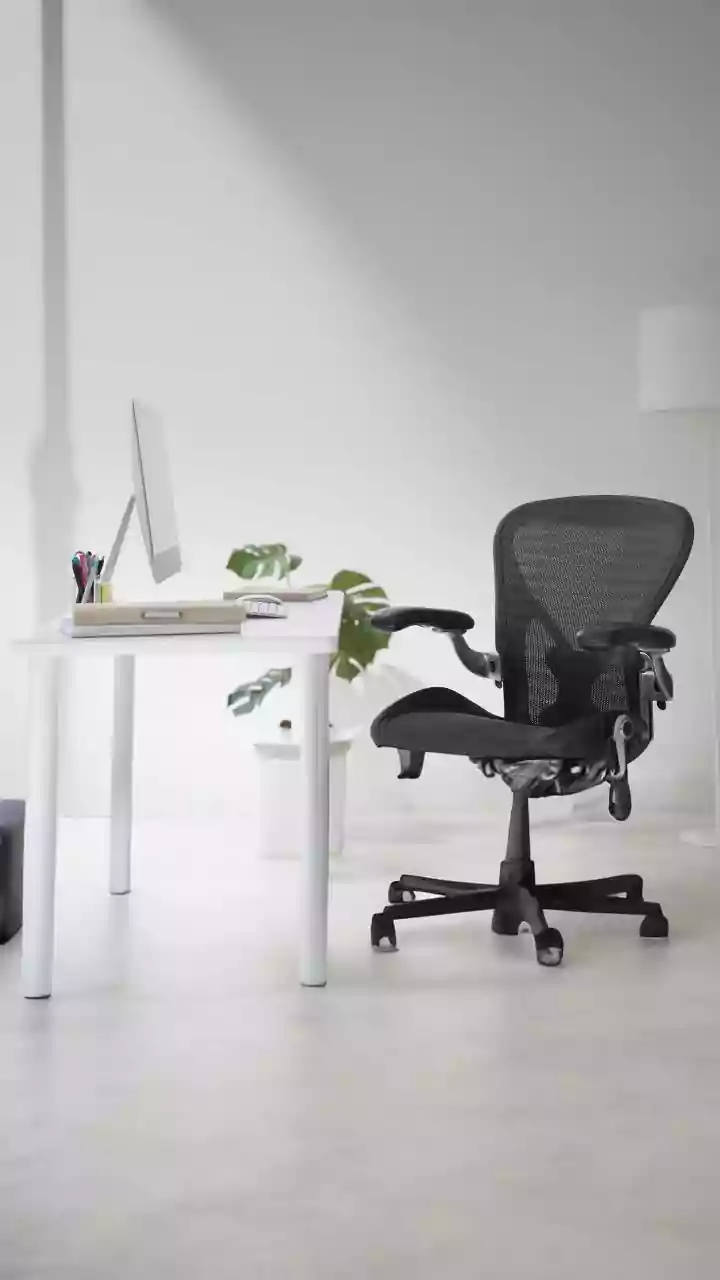
As the headline suggests, the seated variation is a fantastic and equally effective option. It’s perfect for anyone who feels unsteady on their feet, is recovering from an injury (with a doctor's approval), or simply wants to do the exercise discreetly at their desk. To begin, sit upright in a stable chair, preferably one without wheels, with your back supported. Extend one leg straight out in front of you. Just as with the standing version, slowly rotate your foot from the ankle, making large, deliberate circles. Complete about 10-15 rotations in one direction before switching to the other. Then, lower your leg and repeat with the other foot. It’s crucial to keep your leg steady and ensure the movement originates from the ankle, not the knee.
When and How Often to Practice
Integrating ankle circles into your daily life is easy because they can be done almost anywhere, anytime. Consider making them a part of your morning routine to work out any overnight stiffness. If you work at a desk, set a reminder to do a set of seated circles every hour to get your blood flowing and break up long periods of inactivity. They also serve as an excellent warm-up exercise before a walk, run, or any other physical activity, as they prepare the joints for movement. A good goal is to perform one or two sets of 10-20 circles in each direction, per leg, once or twice a day. Consistency is more important than intensity; a little bit of movement each day adds up to significant improvements in joint health and stability.