

Leaving the Crowds Behind
For years, Manali has been the magnetic epicentre of the Kullu Valley, drawing in travellers with its accessible snow points and bustling markets. While it serves as a fantastic gateway to the Himalayas, its popularity often overshadows the district's
wider treasures. The real magic of Kullu lies in its serene valleys, ancient villages, and pristine trekking routes that remain just off the beaten path. To truly understand Kullu is to venture where the crowds thin and the mountains begin to share their secrets. The Deo Tibba Base Camp trek is the perfect introduction to this quieter, more profound side of Himachal Pradesh, a journey that starts just a few kilometres from Manali but feels a world away.
The Ancient Capital of Jagatsukh
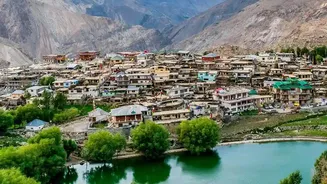
The expedition begins not from Manali, but from the historic village of Jagatsukh. Located just six kilometres south, this village was once the capital of the Kullu kingdom long before the seat of power moved. Stepping into Jagatsukh is like stepping back in time, with ancient shikhara-style stone temples and traditional wood-and-slate homes dotting the landscape. Driving from Manali, the trek officially kicks off from a point near the Allain Duhangan power project. This transition from a place of historical significance to the raw wilderness sets the tone for the entire journey—it's a trek rooted in both nature and culture.
Ascent Through Alpine Splendor
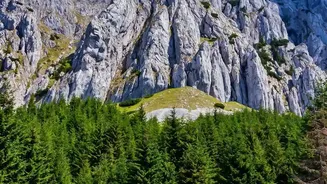
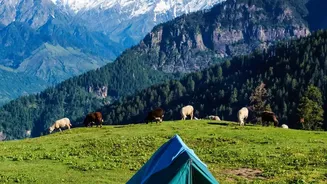
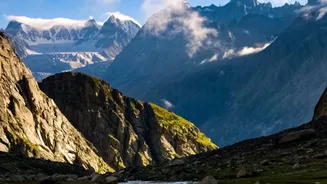
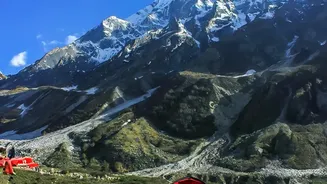
The first couple of days on the trail are a lesson in Himalayan biodiversity. The path from the road head to the first campsite at Chikka winds through a dense forest of pine, oak, and birch. The sound of the gushing Jagatsukh stream is a constant companion as you climb. After Chikka, the landscape undergoes a dramatic transformation. The tree line gradually recedes, giving way to the expansive, rolling meadows of Seri. This vast, flat pasture, which was once a glacial lake, offers a breathtaking 360-degree view of snow-dusted peaks and cascading waterfalls, a truly rewarding sight after the steady climb.
The Reward: Tainta and Chota Chandratal
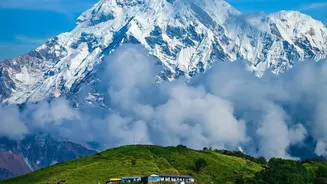
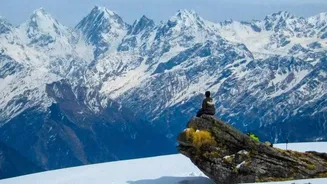
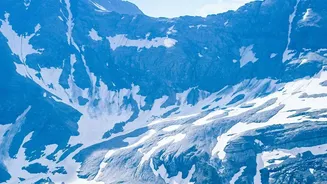
From Seri, the trail gets more rugged, leading over moraine and boulders to the next campsite at Tainta. This high-altitude camp is where the sheer scale of the Himalayas becomes palpable, with hanging glaciers and towering peaks like Jagatsukh Peak dominating the view. But the ultimate prize lies a further climb away: Chota Chandratal. This small, emerald-blue glacial lake, situated at an altitude of around 4,480 metres, is the trek's crowning jewel. Nestled at the base of the mighty 6,001-metre Deo Tibba peak, the lake's serene beauty is a powerful reward. According to local beliefs, Deo Tibba is the assembly site of the gods, and sitting by the tranquil waters of Chota Chandratal, it’s easy to see why this place is considered sacred.
A Different Kind of Himalayan Experience
The Deo Tibba trek, typically completed in five to six days from Manali to Manali, is rated as moderate in difficulty. The journey requires good physical endurance but is accessible to those with some trekking experience. The best seasons to go are from mid-May to June and September to mid-October, avoiding the heavy monsoon rains. What truly sets this trek apart from a typical Manali holiday is its immersive quality. It isn't about ticking off viewpoints; it's about the gradual journey through changing landscapes, from lush forests to stark alpine meadows and glacial moraines. It offers a glimpse into the life of the Gaddi shepherds, the region's pastoralists, and provides a profound sense of solitude and connection with nature that a crowded hill station simply cannot match.