






The Sweet Claim: Where Did This Idea Come From?
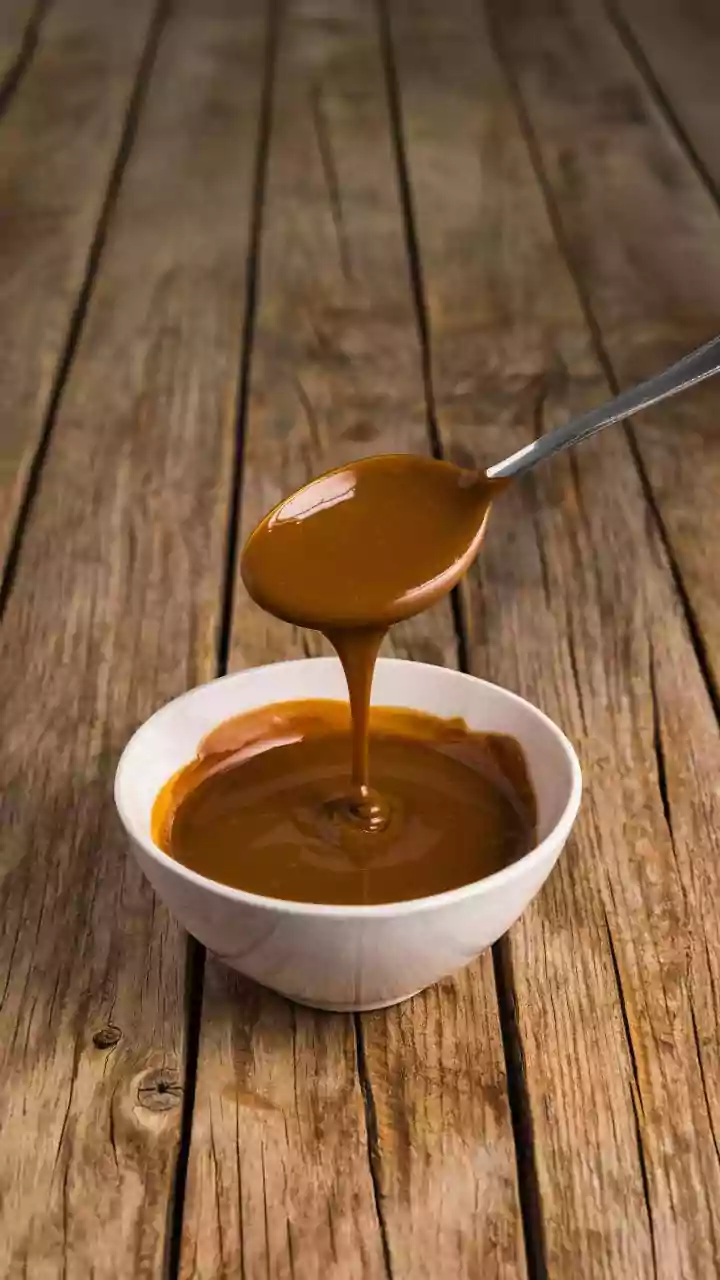
The buzz around maple syrup and cholesterol stems from its unique nutritional profile. Unlike refined table sugar, which offers little beyond sweetness, pure maple syrup contains minerals and a surprising number of plant-based compounds called polyphenols.
Some of these compounds, like the uniquely named Quebecol, have been studied for their anti-inflammatory properties. The central claim is that these antioxidants and minerals might give maple syrup an edge in promoting heart health. Researchers have explored this in preliminary studies, leading to headlines that suggest a drizzle of syrup could do more than just sweeten your pancakes. The hope is that these compounds could help manage cholesterol levels, a key factor in cardiovascular health.
What the Science Actually Says
This is where the story gets complicated. The evidence linking maple syrup to lower cholesterol in humans is very thin. Most of the positive findings come from animal studies, particularly on mice. One study on diabetic mice found that a maple syrup extract reduced LDL (often called "bad") cholesterol levels. Researchers theorized that compounds in the syrup might encourage the body to process cholesterol differently. However, what happens in a mouse doesn't always translate to humans. A comprehensive review of available research highlighted that while animal studies are promising, human clinical trials are needed to make any firm conclusions. One human study did find that substituting maple syrup for refined sugar led to modest improvements in cardiometabolic health, including reduced abdominal fat, but the direct impact on cholesterol was part of a broader picture.
A Reality Check: Sugar Is Still Sugar
Even if maple syrup contains beneficial compounds, it's crucial to remember its primary component: sugar. A single tablespoon contains around 52 calories and 12 grams of sugar. While it has a slightly lower glycemic index than table sugar—meaning it raises blood sugar a bit more slowly—your body ultimately processes it as sugar. Health experts universally agree that high intake of added sugars, regardless of the source, can contribute to health problems, including weight gain, diabetes, and heart disease—all of which are linked to cholesterol management. The small number of antioxidants in a serving of maple syrup doesn't cancel out the metabolic effects of its high sugar content. Relying on it as a health food to lower cholesterol would be misguided.
A Better Sweetener, Not a Health Food
So, should you banish maple syrup from your pantry? Not necessarily. When choosing a sweetener, pure maple syrup is arguably a better option than highly processed white sugar or high-fructose corn syrup. It provides minerals like manganese, which plays a role in processing cholesterol, and riboflavin. A tablespoon of maple syrup gives you a significant portion of your daily manganese needs. Think of it as a less processed sweetener that comes with a small nutritional bonus. However, it should still be used in moderation. It is a source of added sugar in your diet, and health organizations recommend limiting total added sugar intake. Its role is as a flavourful alternative, not a therapeutic agent.
Proven Ways to Lower Your Cholesterol
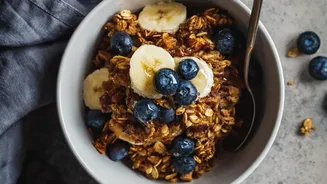
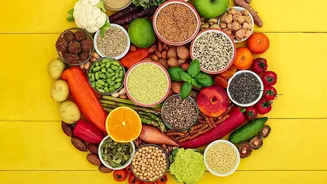
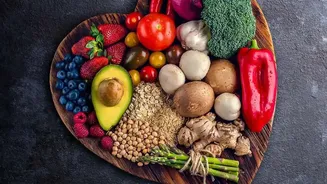
If you're serious about improving your cholesterol levels, focus on proven dietary strategies rather than looking for a magic bullet in the sweetener aisle. Health authorities recommend increasing your intake of soluble fiber, which actively helps block cholesterol from being absorbed. Foods rich in soluble fiber include oats, barley, apples, and beans. Additionally, incorporating healthy unsaturated fats from sources like avocados, nuts, seeds, and olive oil can help raise HDL ("good") cholesterol while lowering LDL ("bad") cholesterol. Reducing saturated and trans fats, found in fatty meats and processed foods, is also critical. These lifestyle changes, combined with regular physical activity, are the most reliable and impactful ways to manage your cholesterol for long-term heart health.