
More Than a Policy, a Partnership
At the heart of Kerala’s success is the Responsible Tourism (RT) Mission, a state-led initiative launched in 2007 and expanded in 2017. Unlike top-down tourism models, the RT Mission is built on a simple, powerful idea: tourism should create better places
for people to live in and better places for people to visit. It operates on a 'triple bottom-line' principle, focusing on economic, social, and environmental responsibility. The goal is to deeply connect the tourism industry with local communities, ensuring that the economic benefits of travel don’t just flow to large hotel chains but are shared among farmers, artisans, and small entrepreneurs. This framework has been so effective that it has won numerous global accolades, including from the United Nations World Tourism Organization (UNWTO).
Economic Empowerment in Action
The most significant practical impact of the RT Mission is economic. The initiative actively links hotels and resorts with local supply chains. For instance, a luxury resort might source its vegetables directly from a women's self-help group's farm, or a homestay might serve meals prepared with fish from the local fisherman. This keeps revenue circulating within the village economy. The globally recognised Kumarakom project is a prime example, where linking the local community to the hospitality industry has provided livelihoods for around 1,000 families and generated significant local income. This model empowers residents, especially women, to become entrepreneurs by offering services like guided village walks, craft workshops, and traditional cooking classes, turning their cultural knowledge into a sustainable livelihood.
The STREET Project: Experiencing Rural Life
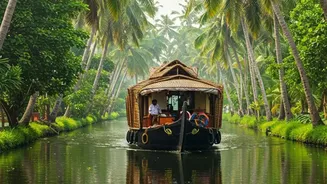
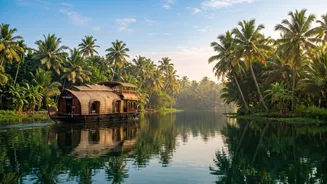
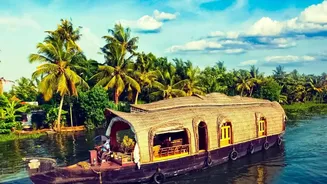
To take this concept even further, Kerala launched the STREET project, an acronym for Sustainable, Tangible, Responsible, Experiential, Ethnic, Tourism hubs. This initiative, inspired by the UNWTO's 'Tourism for Inclusive Growth' motto, develops theme-based streets in rural areas to guide tourists toward unique local experiences. Instead of concentrating tourists in one crowded spot, STREET disperses them into Green Streets, Cultural Streets, or Water Streets, each highlighting a specific feature of the village like its farms, artisans, or water bodies. For example, the Water STREET project in Maravanthuruthu, which rejuvenated local canals and rivers, won a global award at the World Travel Mart in London. It’s a tangible way to manage tourist flow, preserve local identity, and offer visitors a more authentic and immersive experience.
A Richer, More Authentic Travel Experience
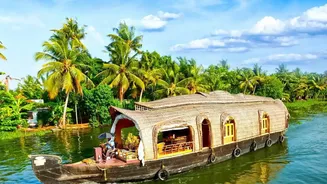
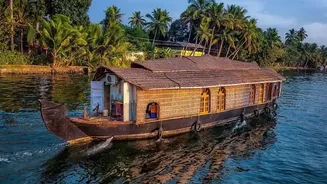
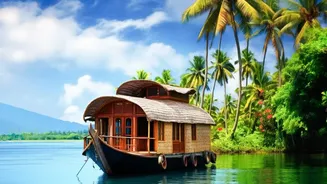
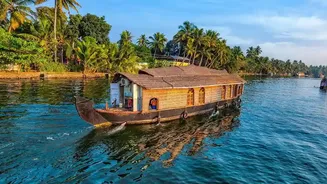
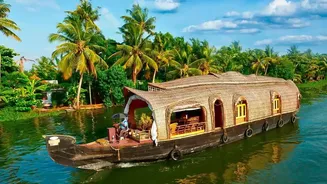
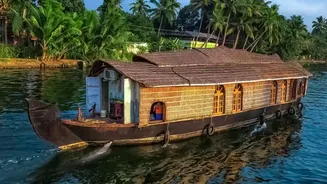
For the traveller, this sustainable model transforms a typical holiday into a meaningful exchange. Instead of generic sightseeing, tourists can participate in the daily life of a village, learn to make a traditional craft, or enjoy a home-cooked meal in a local's home. These experiences provide a genuine connection to the culture and people of Kerala, something mass tourism often fails to deliver. It also fosters a greater respect for the local environment and traditions. Initiatives now span across the state, from the ecotourism hub of Thenmala, India's first planned ecotourism destination, to the serene backwaters of Kumarakom, all designed to offer authentic experiences that benefit both the visitor and the host community.