






What is the 'Safe Food, Safe Maharashtra' Campaign?
The Maharashtra Food and Drug Administration (FDA) has launched an intensive inspection drive, dubbed 'Safe Food, Safe Maharashtra', to enforce hygiene and safety standards across the state. Led by FDA Commissioner Tukaram Mundhe, the campaign involves
surprise raids on food establishments to check for compliance with the Food Safety and Standards Act. This initiative has gained significant public attention due to its unsparing approach, targeting any business involved in food production, storage, or sale. The stated goal is simple: to ensure the food served to the public is safe to eat and to hold all operators, regardless of their size or reputation, accountable to the law.
No One is Spared: From Street Stalls to Elite Clubs
The defining feature of this crackdown is its wide net. Inspections have not been limited to a specific type of eatery. Recent actions have seen the food licences of major international fast-food outlets like McDonald's and Domino's suspended alongside famous local establishments. Even prestigious and historic institutions, including the Bombay Presidency Radio Club and restaurants at the Mumbai Cricket Association, have faced temporary closures over hygiene violations. At the same time, the FDA is targeting street food hubs, including unregulated 'home kitchens' that supply snacks like idli and dosa to roadside vendors, ensuring the entire supply chain is monitored. This demonstrates a clear message from the regulators: food safety rules apply to everyone equally.
What Are Inspectors Finding?
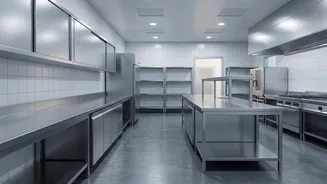
The violations uncovered during these raids have been alarming. Reports from FDA inspections detail a shocking lack of basic hygiene. Common findings include live cockroaches and rats in kitchens, spoiled and foul-smelling raw materials like paneer, and food being stored directly on dirty floors. Inspectors have frequently noted the use of blackened, repeatedly used cooking oil, improper food storage at incorrect temperatures, and vegetables being cut near toilets. In many cases, employees were found handling food without gloves, and establishments lacked proper records for their raw materials or water quality tests. These lapses often occurred even after prior warnings, with one McDonald's outlet reportedly failing to rectify 18 out of 20 previously identified issues.
The Consequences for Failing Eateries
The penalties for non-compliance are severe and immediate. For minor issues, the FDA issues an 'improvement notice', giving the establishment a chance to fix the problems. However, for serious or repeated violations, the FDA is suspending food licences, which forces the business to immediately stop all food production, storage, and sales. Dozens of licences have been suspended across Mumbai in recent weeks. These businesses cannot reopen until they have rectified all the cited deficiencies and pass a subsequent re-inspection to get clearance from the FDA. In addition to licence suspensions, the drive has also involved seizing adulterated or expired food products and filing police reports in some cases.
What This Means for Mumbai's Diners
For the millions who eat out in Mumbai, this crackdown is a wake-up call. While the findings are concerning, the FDA's proactive stance has been widely welcomed by residents who have long worried about kitchen hygiene. The public nature of the raids, often with images of the violations shared, has increased awareness and is putting pressure on the entire industry to improve its standards. Health experts note one positive side effect is that some restaurants are already reducing their use of artificial colours and flavouring agents in popular dishes. Diners can now be more confident that there is a regulatory body actively working to ensure the food they are served is safe, which may lead to a long-term improvement in public health and trust in the city's celebrated food culture.