



Understanding Saturated Fat
Saturated fat is a type of dietary fat that is typically solid at room temperature. Common sources in Indian cooking include ghee, butter, full-fat dairy products like paneer and khoya, and certain oils like coconut and palm oil. While our bodies need
some fat for energy and to absorb vitamins, consuming too much saturated fat can be a concern. A diet high in saturated fat can raise the level of LDL (or 'bad') cholesterol in your blood, which increases the risk of heart disease and stroke. It can also contribute to weight gain, as fats are more calorie-dense than carbohydrates or proteins.
The Usual Suspects on Your Winter Plate
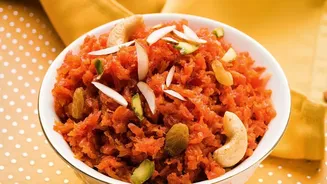
Winter in India brings a delicious array of seasonal specialties, many of which traditionally use generous amounts of fat to provide warmth and richness. Think of Sarson ka Saag, which isn't complete without a dollop of white butter, or hot Aloo Parathas often cooked in ghee and served with more butter on top. Similarly, desserts like Gajar ka Halwa are made by simmering carrots in full-fat milk and khoya, and then frying them in ghee, which contributes significantly to its fat content. A single serving can contain a substantial portion of your daily recommended fat intake. These dishes are part of our culture and bring immense joy, but their high saturated fat content often comes from the very ingredients that make them so comforting.
Smarter Swaps for Healthier Parathas
Parathas are a winter breakfast staple, but they don't have to be a guilty pleasure. You can make them healthier with a few simple tweaks. Start by using whole wheat or multigrain flour instead of refined flour (maida) to increase fibre. For the stuffing, move beyond potatoes and experiment with protein-rich options like crumbled paneer (low-fat), dal, soya, or mixed vegetables like grated cauliflower, carrots, and spinach. Instead of frying the paratha in a pool of oil or ghee, cook it on a non-stick tawa first, then lightly brush it with a healthier oil like mustard or sunflower oil. You can even add roasted flax or sesame seeds to the dough for an extra crunch and a dose of healthy fats.
Reimagining Rich Curries and Dals
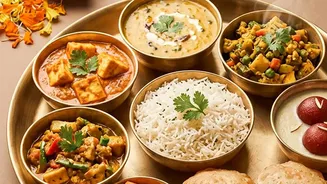
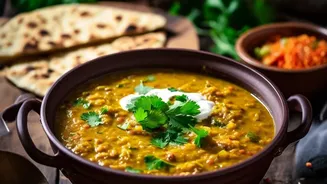
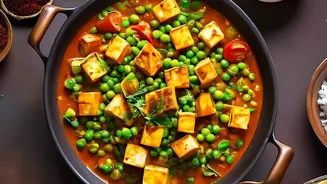
Creamy, rich curries are a hallmark of winter dining. To reduce saturated fat, you can make some clever substitutions without losing that velvety texture. For gravies that call for heavy cream (malai), try using coconut milk or a paste made from blended cashews or almonds instead. Hung curd can also provide a creamy, tangy base for many dishes. When it comes to your daily dal, the final 'tadka' or tempering is key. While a tadka in ghee is traditional, using a smaller amount or switching to mustard oil can be a heart-friendlier option. Mustard oil has lower saturated fat content and is a staple in many regional Indian cuisines for a reason.
Indulgent Winter Sweets, Made Lighter
No winter is complete without its share of sweets like Gajar ka Halwa or Gond ke Ladoo. To make a healthier version of Gajar ka Halwa, try reducing the amount of ghee and sugar. You can supplement the sweetness with dates or jaggery. Using low-fat milk can also cut down on the overall fat content. When preparing ladoos, you can replace some of the ghee with nut butters, which provide richness along with protein. The goal isn't to eliminate these treats but to modify them so they can be enjoyed more often.
The Joy of Mindful Indulgence
Ultimately, a healthy approach to winter eating isn't about deprivation; it's about balance and awareness. Enjoying traditional, full-fat comfort foods on special occasions is perfectly fine. The key is portion control and understanding what goes into your food. For everyday meals, focus on making small, sustainable changes. Pair a smaller portion of a rich dish with a large salad or a bowl of simple dal. Savour each bite and appreciate the warmth and comfort it brings. By making informed choices, you can stay healthy while still honouring the delicious food traditions that make winter in India so special.