





A Roaring Success Story
Not long ago, the future of the Bengal tiger was perilously uncertain. In 2010, Nepal was home to only an estimated 121 tigers. Facing this crisis, the country committed to the ambitious global goal of doubling its tiger numbers by 2022. It not only met
but spectacularly exceeded this target, reaching 355 tigers that year. The latest census from July 2026 confirms the upward trend continues, with the population now standing at 429. This remarkable recovery is the result of decades of concerted effort: robust anti-poaching patrols, the restoration of critical habitats, and effective cross-border cooperation with India. Parks like Parsa and Banke have seen explosive growth, with Parsa's tiger numbers jumping from 41 to 71 and Banke's doubling from 25 to 51 since the 2022 count. This success has cemented Nepal's status as a global leader in wildlife conservation.
The High Cost of Coexistence
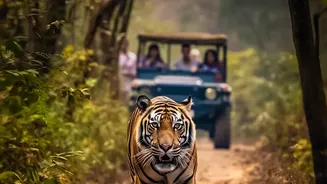
For the people living in villages bordering Nepal's sprawling national parks, the growing number of tigers is not a distant headline but a daily reality fraught with danger. As tiger populations expand, they push out from the core protected zones into buffer areas where humans and livestock live. This increased proximity has led to a tragic rise in human-tiger conflict. In the past fiscal year alone, 10 people were killed in tiger attacks across the country. The burden falls heaviest on communities that depend on forests for resources and on agriculture for their livelihood. Farmers face the constant threat of tigers preying on their cattle, a significant economic loss for families with limited means. This tension is creating a difficult dilemma: celebrating a national conservation achievement while grappling with its life-and-death consequences at the local level.
When Protected Spaces Overflow
The success has raised pressing questions about the carrying capacity of Nepal's protected areas. With 429 tigers now roaming the Terai Arc Landscape, some parks are becoming crowded. This density forces tigers, especially younger or weaker ones, to seek new territory, often leading them into human settlements. The situation is further complicated as tigers displace other predators like leopards, pushing them into villages where they too come into conflict with people. While Chitwan National Park remains the largest stronghold with 145 tigers, Bardiya National Park interestingly saw a slight decline, from 125 to 112 tigers, a trend some experts attribute to factors like water availability and animal movement across borders, rather than just prey numbers. This complex dynamic shows that conservation is not just about increasing numbers but also about managing space and resources.
Searching for a Sustainable Balance
Recognizing that long-term success depends on local support, the Nepalese government and conservation groups are searching for solutions. The government provides financial compensation to families of those killed in wildlife attacks and covers medical expenses for the injured. Recent revisions to these policies have expanded the scope of compensation, but many locals feel the amounts are insufficient and the process is too slow, especially when it comes to livestock losses. Beyond compensation, innovative approaches are being tested. These include community-led anti-poaching units, the use of alternative energy sources like biogas to reduce reliance on forest wood, and high-tech solutions like acoustic monitoring systems that use prey alarm calls to track tiger movements and provide early warnings to villages. The goal is to shift from reactive measures to proactive strategies that foster genuine coexistence.