



The Anatomy of a Heavy Bajji
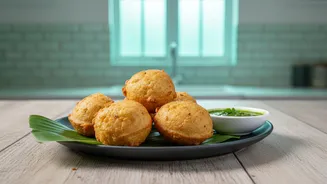
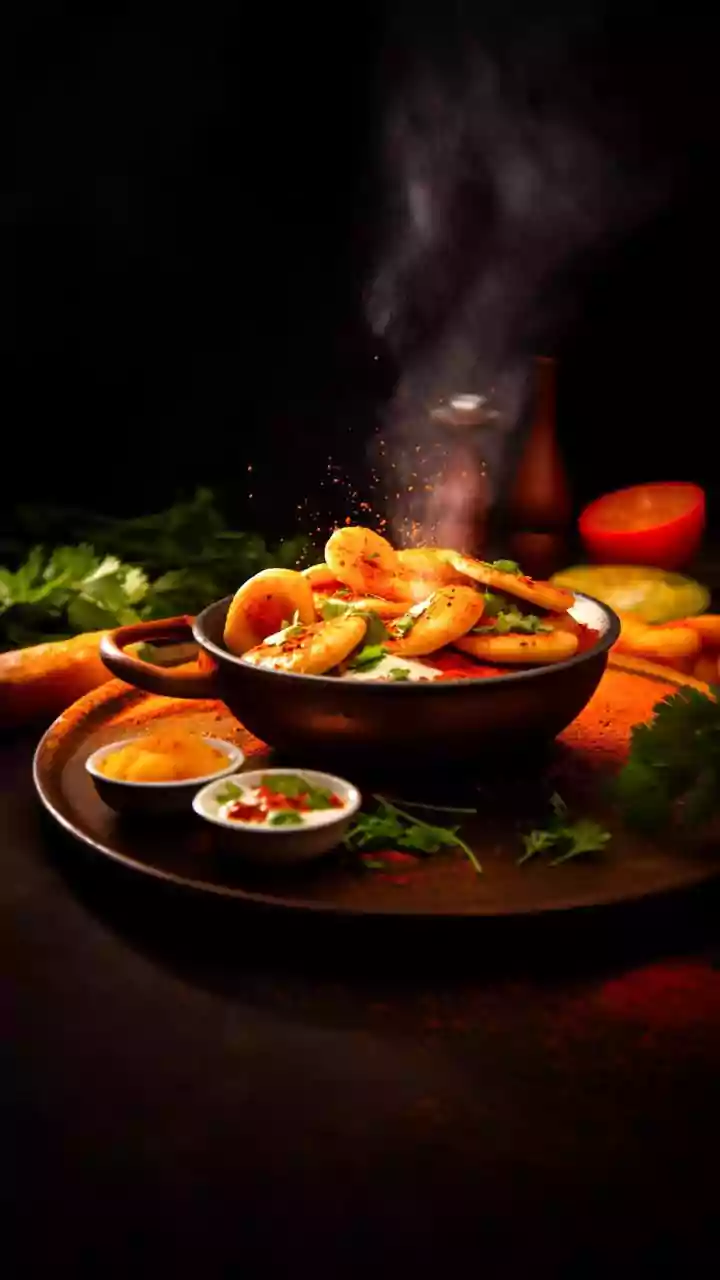
The disappointment of a heavy, oil-logged bajji is a familiar one. You bite into it expecting a delightful crunch, but instead, you get a mouthful of greasy, dense batter that overwhelms the sweet banana within. This common kitchen woe isn't just bad
luck; it’s a result of a few key missteps. The primary culprits are usually an improperly mixed batter, the wrong frying temperature, and the choice of ingredients. A batter that is too thick or too thin, over-mixed, or made with the wrong flour combination can seal the fate of your fritters before they even hit the oil. Similarly, if the oil is not hot enough, the bajji will simply sit and soak up the grease instead of flash-frying to crispy perfection. Understanding these pitfalls is the first step towards achieving the light, airy coating that makes this snack so beloved.
Flour Power: Crafting the Perfect Base
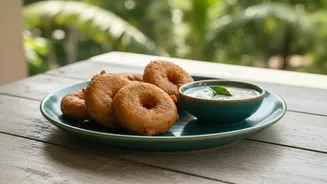
The foundation of any great bajji is its batter, and the choice of flour is crucial. While many traditional recipes for the sweet Kerala-style Pazham Pori use maida (all-purpose flour), and savoury versions use besan (gram flour), the secret to a lighter, crispier coating lies in combination. Adding a tablespoon or two of rice flour to your primary flour is a game-changer. Rice flour doesn't absorb as much oil and provides a distinct, satisfying crunch that maida or besan alone cannot achieve. Some home cooks also experiment with a pinch of corn flour for extra crispness. The goal is to create a blend that is both sturdy enough to coat the banana and light enough to puff up beautifully in the hot oil. Don't be afraid to move beyond a single-flour approach; this small tweak makes a significant difference.
Mastering Batter Consistency
Once you've chosen your flours, the next step is achieving the perfect batter consistency. It should be semi-thick—think along the lines of a thick pancake batter or idli batter. If it’s too thin, it will slide right off the banana slices, leaving them exposed and resulting in a flimsy coating. If it’s too thick, you get that dreaded doughy, heavy result where the inside of the coating can remain raw. To get it right, add water gradually while mixing, stopping when the batter is smooth and coats the back of a spoon without being excessively gloopy. A tiny pinch of baking soda can help create a lighter, fluffier texture, but use it with extreme caution. Too much baking soda will cause the bajji to absorb an excessive amount of oil, defeating the entire purpose.
The Science of the Sizzle
Perhaps the most critical factor in avoiding heavy, oily bajjis is the oil temperature. This is where science comes into play. When a batter-coated banana slice hits hot oil (ideally around 175-180°C), the moisture in the batter rapidly turns to steam. This outward rush of steam creates a pressure barrier that prevents the oil from seeping into the batter. If the oil is not hot enough, this steam barrier doesn't form properly, and the batter acts like a sponge, soaking up grease. On the other hand, if the oil is too hot, the outside will burn before the banana inside is cooked. A simple test is to drop a small dot of batter into the pan; if it sizzles and rises to the top quickly without browning instantly, your oil is at the perfect temperature. Also, avoid overcrowding the pan, as this causes the oil temperature to drop significantly.
Choosing the Right Banana
While this guide focuses on the coating, the star of the show—the banana—deserves a mention. For sweet Pazham Pori, the ideal choice is a ripe Nendran pazham or plantain. You want it to be ripe enough to be sweet and flavourful, with some black spots on the peel, but still firm enough to hold its shape after being sliced. Overly ripe or mushy bananas will fall apart during the frying process. For savoury bajjis, unripe green plantains are used. Regardless of the type, slicing them to a uniform thickness ensures even cooking. Patting the slices dry before dipping them in the batter can also help the coating adhere better.