
Introducing the PUFFINS Mission
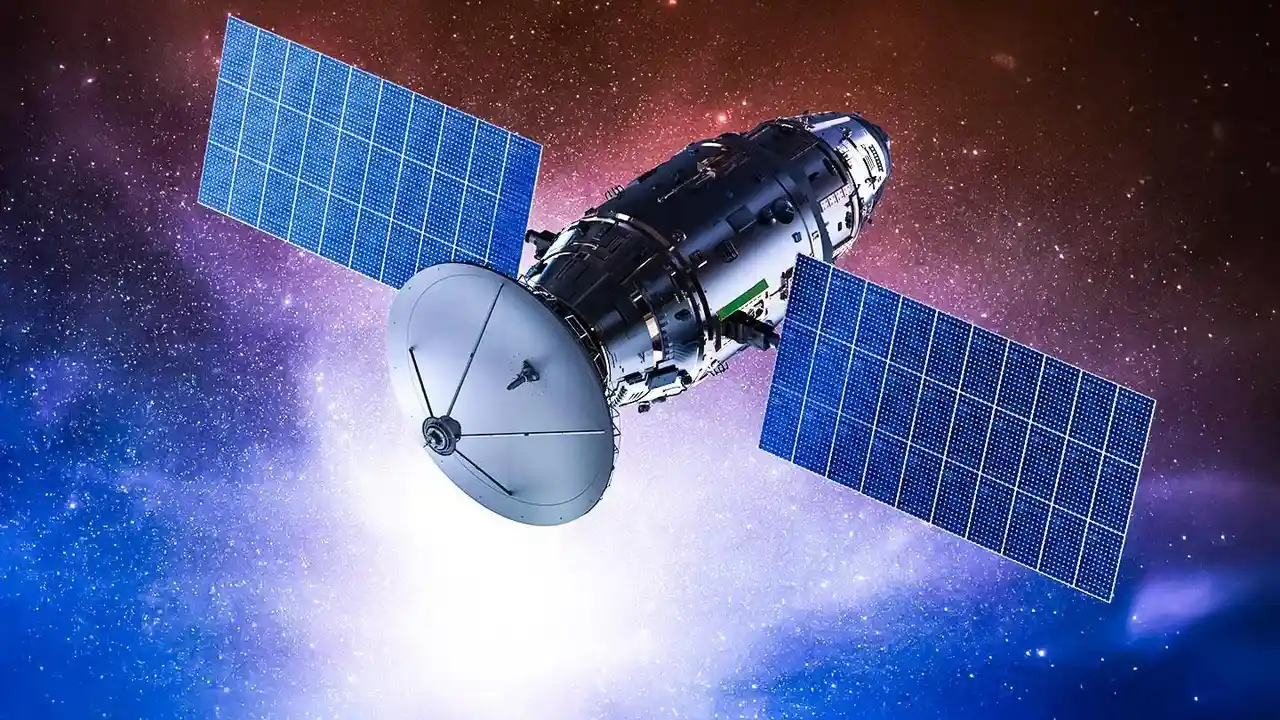
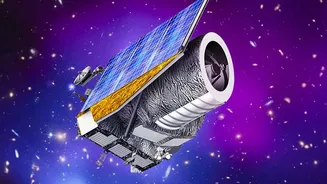
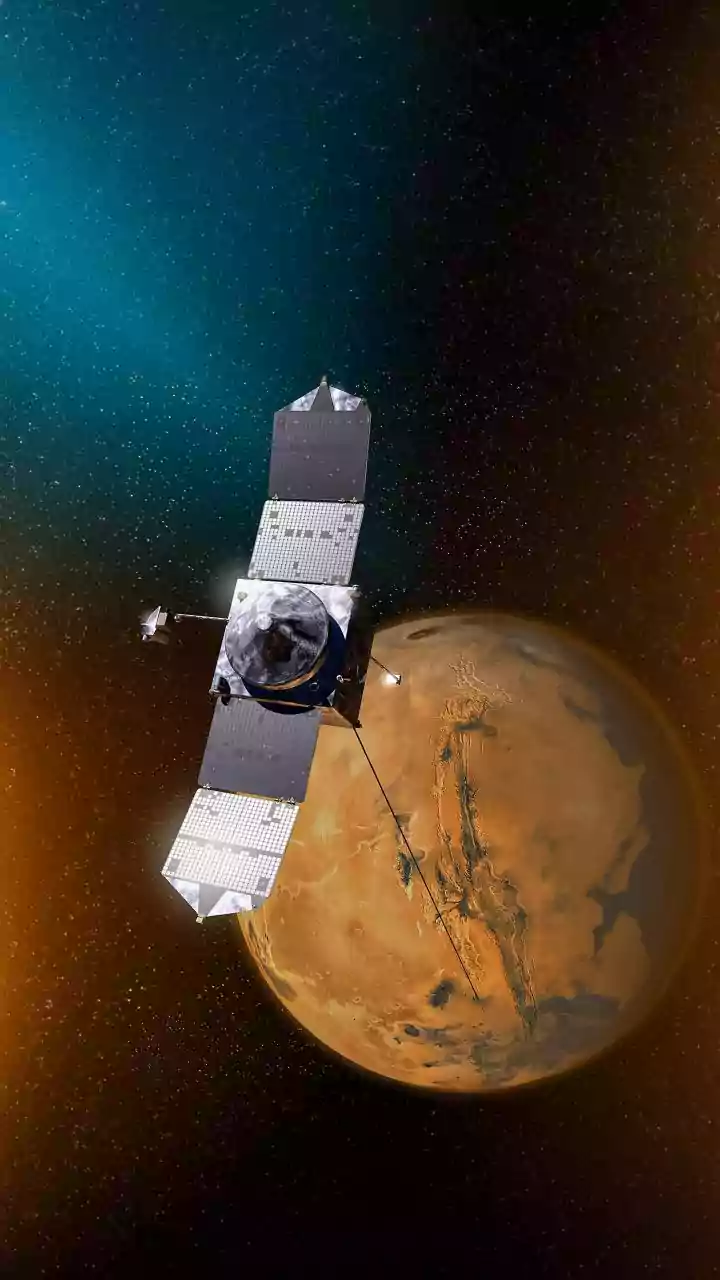
NASA is backing a new SmallSat (small satellite) mission called PUFFINS, which stands for 'Polarimetry in the Ultraviolet to Find Features in INterStellar dust'. This $20-million project, led by the University of Arizona's Steward Observatory, will send
a specialized 10-inch ultraviolet telescope into low-Earth orbit. Its primary goal is to investigate the composition, structure, and behavior of interstellar dust grains. The mission is part of NASA's Astrophysics Pioneers program and is notably led by Principal Investigator Dr. Ramya Anche, a Bengaluru-born astronomer. The PUFFINS mission is targeted for a launch in 2030 and aims to fill a significant gap in our cosmic understanding.
Why Cosmic Dust Isn't Just Dust
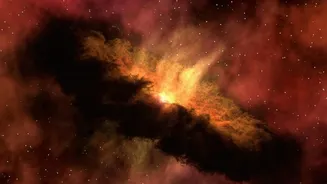
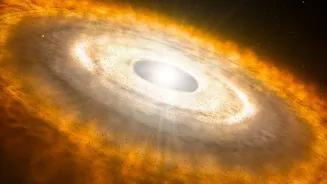
When we think of dust, we might imagine the stuff that collects on bookshelves. But in space, dust is a fundamental ingredient for creation. These tiny grains, often smaller than 50 nanometres—roughly the size of a common cold virus—are the raw materials from which stars and planets, including Earth, are formed. They are the seeds of planetary systems. As one scientist on the mission explained, without cosmic dust, there would be no terrestrial planets, and therefore, no life on Earth. Understanding these particles is essential to piecing together the complete story of how our universe works and how planetary systems, and ultimately life, come into being.
Seeing the Invisible
One of the biggest challenges in studying this cosmic dust is that the smallest grains are practically invisible to most optical and infrared telescopes. This is where PUFFINS comes in. The mission will revive a technique that hasn't been used from space in nearly three decades: ultraviolet spectropolarimetry. In simple terms, the telescope will measure a property of starlight called polarization, which describes the direction light waves vibrate. As light from distant stars travels through clouds of dust, its polarization is altered. By analyzing these changes, scientists can deduce the dust's composition, size, shape, and even how it's aligned with the galaxy's magnetic fields.
Mapping the Galaxy's Building Blocks
The PUFFINS satellite won't just look at one patch of sky. The plan is to observe at least 70 different stars located in diverse cosmic environments. These include stellar nurseries where new stars are being born, reflective nebulae, and even stars in the Magellanic Clouds, our galactic neighbors. By collecting data from these varied locations, the mission will build a detailed map of how interstellar dust behaves across different parts of the galaxy. This data will be combined with ground-based observations to create a more complete picture of the interstellar medium—the seemingly empty space between stars that is actually a dynamic and crucial part of the galactic ecosystem.