




The Science of Suppressed Appetite
GLP-1 agonists work by mimicking a natural gut hormone that signals fullness to the brain, slows stomach emptying, and helps regulate blood sugar. This powerful combination drastically reduces appetite and overall calorie intake, leading to significant
weight loss. For many, this quiets the constant “food noise” and makes losing weight feel more manageable. However, this suppressed appetite is also why the quality of the food you eat becomes more important than ever. When you're eating less, every bite needs to count toward nourishing your body, not just reducing the number on the scale.
The Hidden Risk: Muscle Loss
When you lose weight rapidly, your body doesn't just burn fat; it can also break down lean muscle mass. Studies have shown that a significant portion of the weight lost on GLP-1 medications can come from muscle. This is a problem because muscle is metabolically active, meaning it burns calories even at rest. Losing it can slow your metabolism, making it harder to sustain weight loss long-term and increasing the risk of regaining weight if you stop the medication. For older adults, this muscle loss, known as sarcopenia, can be particularly risky, increasing the chances of frailty and falls.
Protein: Your Muscle's Best Defence
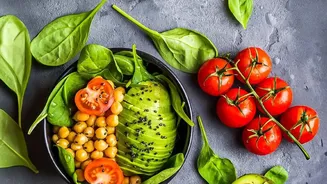
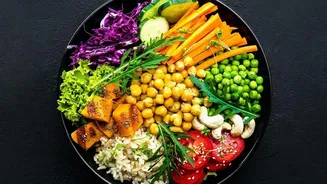
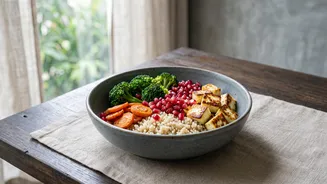
This is where protein steps in. Think of protein as the essential building block for your muscles. During weight loss, consuming enough protein helps protect your muscle tissue from being broken down for energy. It has a high thermic effect, meaning your body burns more calories digesting it, and it's highly satiating, helping you feel full and satisfied even on fewer calories. With a reduced appetite from GLP-1 drugs, it can be challenging to meet your protein needs, which is why experts recommend being intentional, aiming for protein-rich sources at every meal. General guidelines often suggest aiming for 80 to 120 grams per day.
Resistance Exercise: The Signal to Build
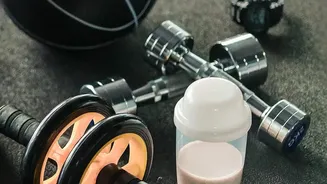
If protein provides the building blocks, resistance exercise is the instruction manual that tells your body what to do with them. Strength training—using weights, resistance bands, or your own body weight—creates a stimulus that signals your body to preserve and even build new muscle. This is crucial for ensuring that the weight you lose is primarily fat. Without this signal, your body is more likely to sacrifice muscle. Combining strength training with aerobic activities like walking or cycling creates a well-rounded routine that not only preserves muscle but also supports cardiovascular health and long-term weight management.
A Strategy for Sustainable Success
GLP-1 medications are a powerful tool, but they are most effective as part of a comprehensive lifestyle plan. The combination of a high-protein diet and consistent resistance training works synergistically to combat the primary downside of rapid weight loss: muscle degradation. This strategy ensures you're not just losing weight, but improving your overall body composition—more fat loss, less muscle loss. This leads to a stronger, healthier body with a more resilient metabolism, setting you up for durable, long-term success that lasts even beyond the medication.