








A Fragrance Fit for a Princess
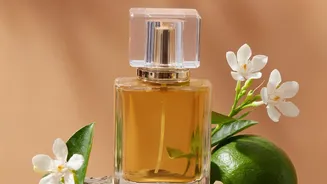
The story of Neroli oil is as captivating as its scent. Its name is widely believed to have originated in 17th-century Italy with Anne Marie Orsini, the Duchess of Bracciano and Princess of Nerola. She famously fell in love with the aroma of the bitter
orange blossom, using its essence to perfume her gloves and her bathwater. Her popularisation of the scent made it a fashion statement among the Italian nobility, forever linking the oil with her title. This royal endorsement cemented Neroli’s status as a sophisticated and desirable fragrance, a reputation it holds to this day. Before it was a symbol of European aristocracy, however, its origins trace back to ancient Persia, China, and India, where it was used in spiritual rituals and traditional medicine.
From Blossom to Bottle
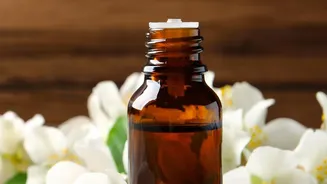
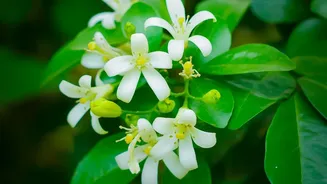
Neroli oil is the product of a labour-intensive process. It is derived from the small, white, waxy flowers of the bitter orange tree, Citrus aurantium amara. The blossoms are typically hand-picked in late April and early May to preserve their delicate aromatic compounds. To create the essential oil known as Neroli, these flowers are subjected to steam distillation. This process involves passing steam through the blossoms, which causes them to release their volatile oils. The steam and oil vapour are then cooled, and the precious, pale-yellow Neroli oil separates from the water. The process requires an incredible volume of flowers; it takes about 1,000 pounds of blossoms to produce just one pound of Neroli oil, making it one of the most expensive essential oils on the market.
A Gifted Tree: Neroli, Petitgrain, and Bitter Orange
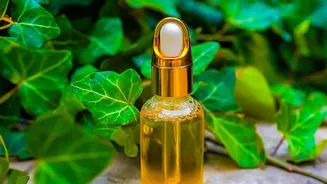
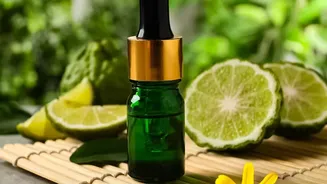
The bitter orange tree is remarkably generous, producing three distinct and beloved essential oils from its different parts. Neroli oil is distilled from the blossoms. Petitgrain essential oil is steam-distilled from the leaves and twigs of the same tree, resulting in a greener, woodier, and more herbaceous aroma. Meanwhile, bitter orange oil is cold-pressed from the peel of the fruit, yielding a bright, sharp, and tart citrus scent. While all three share a common origin, their unique aromatic profiles mean they are used for different purposes in perfumery and aromatherapy, with Neroli being the most floral and prized of the trio.
Soothing Benefits for Stressed Skin
Beyond its stunning fragrance, Neroli oil is a powerhouse ingredient in skincare. It is celebrated for its ability to balance sebum production, making it suitable for oily, combination, and dry skin types. Its anti-inflammatory and antibacterial properties can help calm irritation and reduce redness associated with acne and breakouts. Many users turn to Neroli for its regenerative qualities. The oil is thought to stimulate skin cell renewal, which can help improve skin elasticity and reduce the appearance of fine lines, scars, and stretch marks. Rich in antioxidants, it also helps protect the skin from environmental stressors that contribute to premature ageing.
A Calming Elixir for the Mind
The benefits of Neroli extend deeply into aromatherapy, where it is used to soothe the mind and uplift the spirit. Its scent is widely believed to have a calming effect on the nervous system and can help reduce feelings of stress and anxiety. Inhaling Neroli oil, whether through a diffuser or simply from a bottle, is a common practice to promote relaxation and emotional balance. Some studies have noted its potential to reduce levels of cortisol, the body's primary stress hormone. This makes it a popular choice for meditation, pre-sleep rituals, or simply creating a serene atmosphere at home.
How to Use Neroli in Your Routine
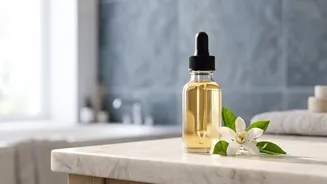
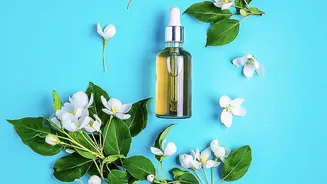
Integrating this liquid gold into your daily life is simple. For skincare, a drop or two can be mixed with a carrier oil like jojoba or almond oil and applied to the face as a nourishing serum. You can also add it to your favourite unscented moisturiser or cleanser. For a spa-like experience, blend a few drops with a carrier oil and add it to a warm bath to calm both your skin and your mind. A facial mist containing Neroli can provide a refreshing and hydrating boost throughout the day. When using any new essential oil, it's always wise to perform a patch test first to ensure you don't have a sensitivity.