




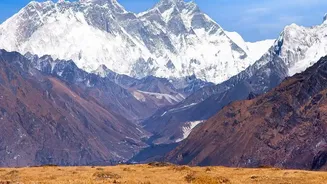
A Deluge of Unprecedented Scale
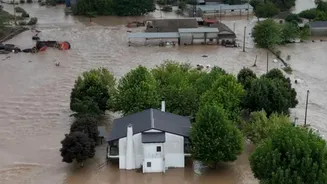
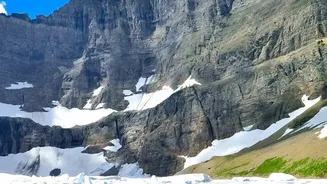
In late August 2026, a catastrophic event unfolded along the Nepal-China border. A massive ice-rock avalanche from a glacier triggered a flash flood that devastated towns and villages, leaving thousands dead or missing. The disaster was staggering in its
speed and force, wiping out homes, bridges, and critical infrastructure like hydropower plants in multiple districts. Rescue operations, involving international teams, have been struggling with the sheer scale of the destruction. While floods are a known hazard in the region, this event's origin—a fractured glacier—points to a more insidious and growing threat linked directly to rising global temperatures.
The Growing Threat of GLOFs
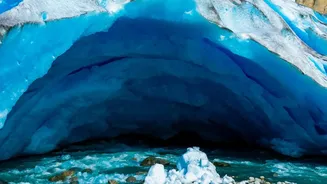
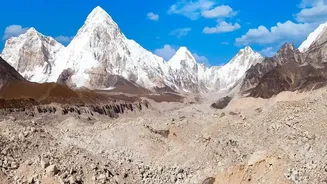
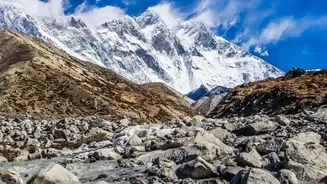
This disaster highlights a phenomenon known as a Glacial Lake Outburst Flood (GLOF). As the Himalayas warm at nearly twice the global average, glaciers are melting at an alarming rate. This meltwater often pools into vast lakes dammed by unstable walls of rock and debris (moraines). These natural dams can fail suddenly due to pressure, erosion, or events like avalanches and earthquakes, releasing a torrent of water with catastrophic force. Nepal has documented over two dozen such events in recent history, and a 2021 study identified 47 potentially dangerous glacial lakes in the country. These GLOFs represent a significant shift in risk, as they can occur with little to no warning, wiping out entire communities downstream.
When the Monsoon Turns Volatile
Climate change is not just melting glaciers; it is also making the annual monsoon more erratic and dangerous. The massive Himalayan mountain range essentially functions as a 'heat pump' that drives the monsoon system. Historically, this has meant predictable, life-giving rains. Now, however, the pattern is changing. Instead of steady rainfall over a long season, the region is experiencing prolonged dry spells followed by short, extremely intense bursts of rain. This high-intensity rainfall saturates the soil on steep mountain slopes, dramatically increasing the frequency of landslides. It also overwhelms river systems, causing flash floods even in areas not directly threatened by glacial melt. This volatility disrupts agriculture, strains infrastructure, and makes life in the mountains even more precarious.
A Man-Made Factor in Natural Disasters
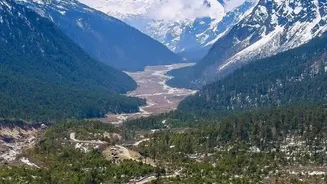
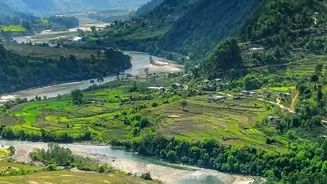
The amplified risks are not solely the result of climate change. Human activity is playing a crucial role in turning extreme weather into full-blown catastrophes. Rapid and often unregulated development in vulnerable areas puts more people and property in harm's way. New roads, hydropower projects, and expanding settlements are often built in fragile river valleys and on unstable slopes, disrupting natural drainage patterns. Furthermore, practices like riverbed mining can alter river flows and increase their destructive potential during floods. This combination of escalating natural hazards and increased human exposure creates a perfect storm for disaster, where the consequences of a flood or landslide are far deadlier than they would otherwise be.
A Shared Challenge for the Region
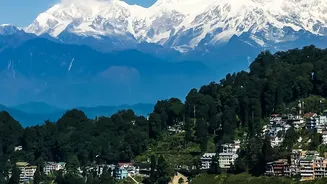
The crisis unfolding in Nepal is a grave warning for the entire Hindu Kush Himalayan region, including India. The major rivers that provide water for over a billion people, including the Ganga and Brahmaputra, are fed by these same melting glaciers. The altered monsoon patterns and GLOF risks are just as present in Indian states like Uttarakhand, Himachal Pradesh, and Arunachal Pradesh. The 2021 Chamoli disaster in Uttarakhand was a stark reminder of this shared vulnerability. Addressing this challenge requires not only domestic action but also cross-border collaboration on data sharing, early warning systems, and coordinated disaster management. The climate does not respect national borders, and neither will the consequences of its breakdown.