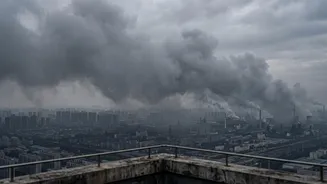









The Seasonal Smog Returns
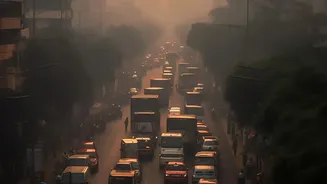
October marks the start of a prolonged period of poor air quality for India's capital region. On October 13, Delhi's Air Quality Index (AQI) was recorded at 157, falling into the 'unhealthy' range, with PM2.5 levels high enough to cause throat irritation
and coughing. These fine particulate matter, along with other pollutants like nitrogen dioxide and ozone, become trapped closer to the ground as winter approaches, leading to the thick haze that has become an annual public health crisis. This year is no exception, with doctors at major hospitals reporting a significant increase in patients struggling to breathe.
More Than Just a 'Smog Cough'
While a temporary cough or scratchy throat is a common reaction to poor air, experts are sounding the alarm over symptoms that linger. A 'pollution cough' is typically a dry irritation, but when it becomes persistent and is accompanied by wheezing, chest tightness, or breathlessness, it signals a more serious issue. Doctors explain that prolonged exposure to pollutants like PM2.5 can cause significant inflammation in the airways. This isn't just a simple irritation; it's the body's response to an assault, which can exacerbate underlying conditions like asthma or Chronic Obstructive Pulmonary Disease (COPD) and even lead to new ones.
The Danger of Treating Symptoms as Diagnoses
The primary concern highlighted by medical professionals is the tendency for people to self-medicate. Reaching for over-the-counter cough suppressants or using inhalers without a prescription might provide temporary relief, but it masks the root cause. Pulmonologists warn that what seems like a simple cough could be bronchitis, a severe asthma flare-up, or another respiratory infection requiring specific medical treatment. Delaying a proper diagnosis can lead to worsening conditions and a greater risk of complications. Self-medicating with antibiotics is particularly dangerous, as most pollution-triggered issues are inflammatory or viral, and antibiotics are ineffective, contributing instead to antibiotic resistance.
When to See a Doctor
The advice from pulmonologists is clear: do not ignore persistent symptoms. If a cough lasts for more than a week, is accompanied by wheezing, chest pain, fever, or significant shortness of breath, it is crucial to seek medical attention. A doctor can perform lung function tests, such as spirometry, to properly assess the impact on your respiratory system and determine the correct course of treatment. This is especially critical for vulnerable populations, including children, the elderly, and those with pre-existing heart or lung conditions, who are at a much higher risk.
An Action Plan for Breathing Safer
While you can't control the outdoor air quality, you can take steps to protect yourself. Medical experts recommend a multi-pronged approach. Firstly, monitor the daily AQI and limit strenuous outdoor activities on high-pollution days. When you must go out, wear a well-fitted N95 mask to filter out harmful particulates. Indoors, use a high-quality air purifier with a HEPA filter and keep windows closed. Staying hydrated helps keep the respiratory tract clear, while steam inhalation can soothe irritation. Finally, those with known respiratory conditions should adhere strictly to their prescribed medication and have a clear action plan from their doctor.