






A Global Stamp of Approval
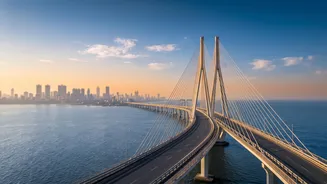
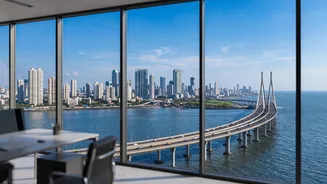
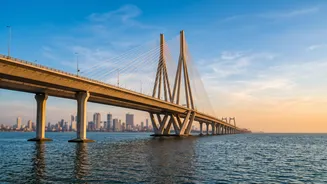
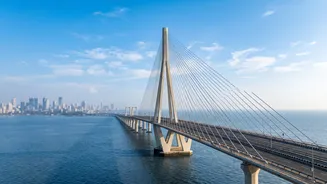
Mumbai has been named the sole Indian city in the fourth edition of the International Workplace Group’s (IWG) 2026 ‘Work from Anywhere Index’. The index, which evaluates global destinations on their suitability for blending remote work with travel, placed
Bangkok, Tokyo, and Barcelona in its top three spots. Mumbai secured a respectable score of 77, marking its first appearance on the list and placing it ahead of established global centres. This recognition is not just about scenic views from a temporary office; it's a data-backed acknowledgment of a city's capacity to support a modern, mobile workforce.
What Makes Mumbai a Top Choice?
The IWG index analyses several key criteria, from internet speed to cultural attractions. Mumbai scored particularly well in areas crucial for any remote professional: affordable transport, excellent availability of co-working and flexible workspaces, pleasant climate, and accessible accommodation. These factors combine to create an environment where a professional can land, set up a functional workspace, and enjoy the city without logistical friction or prohibitive costs. However, the report also highlighted areas for improvement. The city’s ranking was tempered by lower scores in broadband speed and quality, the availability of local events, and its overall happiness index, suggesting a clear roadmap for climbing higher in future rankings.
The Rise of the Indian Workcation
While Mumbai’s global recognition is new, the concept of the workcation has been brewing across India for years, especially since the pandemic normalised remote work. Professionals have been flocking to destinations like Goa for its beachside cafes, Bengaluru for its tech-friendly ecosystem, and the serene hills of Himachal Pradesh to escape the urban grind. Mumbai’s inclusion in the IWG index, however, represents a significant milestone. It signals that an Indian metropolis—known more for its relentless pace and financial prowess—has developed the infrastructure and appeal to be considered a world-class hub for this new way of working. It elevates the trend from a niche domestic movement to a validated, globally relevant phenomenon.
More Than Just a Passing Trend
The significance of this ranking extends far beyond tourism. According to IWG, Mumbai's debut reflects the 'maturing of India's remote-work infrastructure'. This is supported by wider industry data. A 2025 report from Cushman & Wakefield, for instance, gave India a perfect 100 on its 'flex workspace maturity index'—the highest in the world. This robust ecosystem of shared offices is a critical backbone for workcation culture. Furthermore, the trend is a major economic driver. It channels income into local economies, supporting everything from cafes and rental properties to tour operators and cultural institutions. It also signals to global companies and talent that India is not just a market for business, but a desirable place to live and work flexibly.
The Road Ahead for India’s Cities
Mumbai has put India on the global workcation map, but the journey is just beginning. For the city to compete with the likes of Bangkok and Tokyo, addressing its weaker points, particularly digital infrastructure like broadband speed, will be essential. For the rest of the country, Mumbai’s success provides a blueprint. Other cities with strong cultural identities and growing infrastructure can learn from its model. As companies worldwide increasingly adopt 'work from anywhere' policies—an IWG survey found 80% of workers find it makes a new role more attractive—the demand for high-quality workcation spots will only grow. By investing in connectivity, affordability, and quality of life, more Indian destinations can position themselves to welcome the next wave of global professionals.