




Understanding the New Visa-Free Rules
In a significant move to boost tourism and strengthen ties, Uzbekistan now permits Indian passport holders to enter the country without a visa for a period of up to 30 days. This welcome development was announced by Uzbek President Shavkat Mirziyoyev
during a state visit by Indian Prime Minister Narendra Modi. The policy is designed to simplify travel, making it easier for tourists and business travellers to explore the Central Asian nation. While an advance visa is no longer required for a 30-day stay, travellers should ensure their passport is valid for the duration of their trip. It is also advisable to carry proof of accommodation and a return flight ticket to ensure a smooth entry process at the airport. This initiative, combined with 14 direct flights operating weekly between the two countries, makes Uzbekistan one of the most accessible and exciting destinations for Indians.
The Jewels of the Silk Road
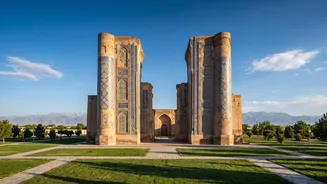
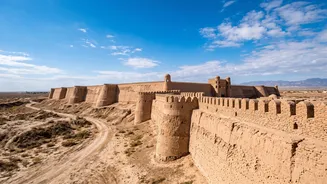
Uzbekistan’s main draw lies in its trio of legendary Silk Road cities, each a UNESCO World Heritage site brimming with architectural masterpieces. Samarkand, one of the oldest inhabited cities in Central Asia, is home to the magnificent Registan Square. This ensemble of three grand madrasas is a breathtaking spectacle of intricate tilework, azure domes, and soaring minarets. Bukhara’s historic centre feels like an open-air museum, with its winding alleys, ancient mosques, and the iconic Kalyan Minaret, which once guided caravans across the desert. Then there is Khiva, a perfectly preserved walled city. Entering its gates is like stepping back in time, with its mud-brick walls enclosing palaces, mosques, and mausoleums that have stood for centuries. Beyond these, the modern capital of Tashkent offers a different flavour, with its blend of Soviet-era architecture, leafy parks, and the bustling Chorsu Bazaar.
Immersing in Uzbek Culture and Cuisine
A trip to Uzbekistan is incomplete without indulging in its rich culture and flavourful cuisine. The heart of local life can often be found in the bazaars, where vendors sell everything from fresh produce and fragrant spices to handmade ceramics and vibrant suzani textiles. The country's national dish is Plov, a hearty and aromatic one-pot rice pilaf cooked with meat (usually lamb or beef), grated carrots, onions, and chickpeas. Each region has its own variation, making it a culinary adventure in itself. Hospitality is a cornerstone of Uzbek culture, and visitors are often greeted with warmth and curiosity. While Uzbek is the official language, and Russian is widely spoken, a smile and a few basic phrases will go a long way. The growing popularity of yoga, with a dedicated federation since 2018, also highlights the cultural connections shared with India.
Practical Tips for Your Uzbek Adventure
Planning a smooth journey involves a few key considerations. The best times to visit are during the spring (April to May) and autumn (September to October), when the weather is mild and pleasant, perfect for sightseeing. Summers can be intensely hot, while winters are quite cold. The local currency is the Uzbek Som (UZS), and it is recommended to carry some cash, although card payments are becoming more common in larger cities and hotels. For getting around, a mix of high-speed trains connecting major cities like Tashkent and Samarkand, along with shared taxis and domestic flights, offers convenient options. When navigating, apps like Yandex Maps are often more accurate than Google Maps in the region. Also, be aware that certain painkillers containing codeine are banned, so it's wise to check your medication before you travel.