





What Is Sumac?
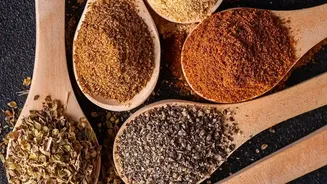
Sumac is a spice made from the dried and ground berries of the wild Rhus coriaria shrub, which grows in the Mediterranean and Western Asia. The berries are harvested in autumn, sun-dried, and then crushed into a coarse, deep-red powder. It's important
to note that this culinary variety is completely different from the poisonous sumac plant found in some parts of North America. For thousands of years, long before lemons were widely available in the region, sumac was the go-to ingredient for adding a sour note to dishes across the Middle East. It is a key component in the popular spice blend za'atar, but it is also a fantastic standalone spice.
A Unique Tart Flavour
Sumac’s primary flavour is a bright, tangy tartness that is often compared to lemon. However, its acidity is generally milder and less sharp than fresh lemon juice or vinegar. Think of it as a balanced sourness, with a slightly fruity, earthy, and almost smoky undertone that adds complexity. Unlike citrus, which can sometimes overpower other ingredients, sumac provides a bright lift that enhances the food it's on. The flavour comes from malic acid, the same compound that gives apples their tartness. This unique profile allows it to cut through rich and fatty foods beautifully.
The Dry Acid Advantage
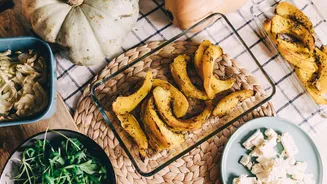
One of the most practical benefits of sumac is its ability to add acidity without adding moisture. This makes it the perfect solution for dishes where extra liquid from lemon juice or vinegar would be a problem. Consider a dry rub for meat, roasted vegetables, or a salad that you don't want to become soggy. In these cases, sumac provides the desired tangy flavour while keeping textures crisp and intact. A good rule of thumb when substituting is to use about one teaspoon of sumac for every tablespoon of lemon juice a recipe calls for, then adjusting to your taste. It's an excellent way to season everything from a fried egg to avocado toast without altering the consistency.
Easy Ways to Use Sumac
Integrating sumac into your everyday cooking is incredibly simple. In many Turkish and Lebanese homes, it's kept on the table just like salt and pepper. Start by sprinkling it as a finishing touch over dishes. It adds a beautiful pop of colour and a final burst of brightness to hummus, baba ganoush, yogurt dips like raita, and salads. Try dusting it over roasted chicken, paneer, or fish before serving. It’s also a fantastic addition to marinades for meats and vegetables, blending perfectly with olive oil and other herbs. You can even toss it with popcorn or sprinkle it over fresh watermelon for a surprising twist.
A Touch of Wellness
Beyond its culinary uses, sumac has a history in traditional herbal medicine. It is packed with antioxidants, which are compounds that help protect cells from damage. Some research has explored its potential role in helping to regulate blood sugar and alleviate muscle pain, though more studies are needed to confirm these effects. Primarily, its benefit comes from its ability to enhance flavours, potentially reducing the need for excess salt. For most home cooks, the biggest reward is the vibrant taste and colour it brings to the plate.