




Understanding the Enemy: Oxidation
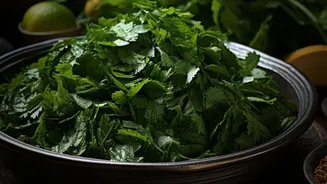
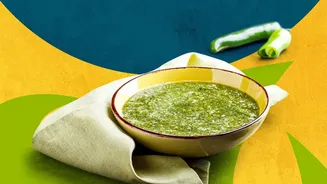
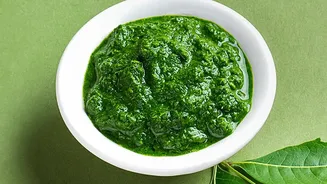
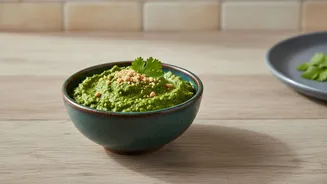
The primary reason your beautiful green chutney turns a dull, unappetizing brown is a process called oxidation. When the delicate herbs, like coriander and mint, are chopped and exposed to air, enzymes within them react with oxygen, causing them to darken
and lose flavour. The heat generated by a blender's blades can also accelerate this process. Therefore, the key to preserving your chutney lies in minimizing its exposure to air and heat from the moment you start preparing it.
The Foundation: Airtight Storage
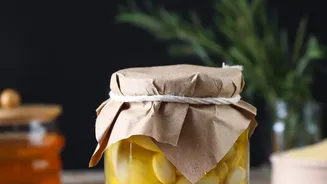
The headline says it all, and it's the most critical step. Storing your chutney in an airtight container is non-negotiable. This simple action creates a physical barrier, drastically reducing the chutney's contact with oxygen. For best results, opt for glass jars with tight-fitting lids. Glass is non-reactive, meaning it won't interact with the acidic ingredients in your chutney or absorb odours from the fridge. When filling your container, press the chutney down to remove any trapped air pockets and try to fill it as close to the brim as possible before sealing it tightly.
Harnessing Natural Preservatives
Certain ingredients do more than just add flavour; they act as natural preservatives. Lemon juice or vinegar are essential additions. Their acidity lowers the chutney's pH, creating an environment where bacteria struggle to grow. This acidity also helps slow down the oxidation process, preserving that vibrant green colour. Salt and a little sugar also act as preservatives by drawing out excess water, making the environment less hospitable for microbes. Another traditional trick is to add a thin layer of oil (like mustard or olive oil) on top of the chutney before sealing the jar. This layer acts as an effective seal against air.
Pro-Tips for Preparation and Storage
The battle for freshness begins during the blending process itself. One popular trick is to add a few ice cubes or use ice-cold water while grinding. This keeps the temperature of the ingredients low, preventing the heat from the blender's motor from discolouring the herbs. It’s also wise not to over-blend the chutney, as this can release bitter flavours from the mint leaves and generate more heat. Once made, if you don’t plan to use it immediately, refrigerate it as soon as possible to slow down any potential spoilage.
For Long-Term Freshness: Embrace the Freezer
If you’ve made a large batch, the freezer is your best friend. Freezing green chutney is an excellent way to preserve it for months without losing significant flavour or colour. The most convenient method is to pour the chutney into an ice cube tray. Once the cubes are frozen solid, transfer them into a zip-lock freezer bag, squeezing out as much air as possible before sealing. This allows you to thaw just the amount you need, whether it's one cube for a sandwich or several for a family meal. To use, simply let the cubes thaw at room temperature or in the fridge.