



Lord Howe Island, New South Wales
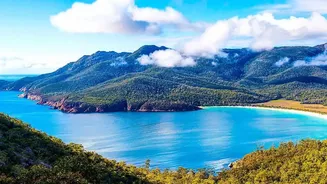
Imagine a subtropical paradise where visitor numbers are capped at just 400 at any time, ensuring an uncrowded experience. That's Lord Howe Island, a UNESCO World Heritage-listed gem a short flight from Sydney. Here, the main modes of transport are walking
and cycling, with a speed limit of just 25km/h. The island is a haven for nature lovers, offering world-class snorkelling and diving on the world's southernmost coral reef, home to over 500 species of fish. You can hand-feed kingfish at Ned's Beach, hike through lush Kentia palm forests, or tackle the challenging eight-hour climb to the summit of Mount Gower for breathtaking views. With no mobile phone reception, it's a true escape to reconnect with nature and enjoy a slower pace of life.
The Kimberley, Western Australia
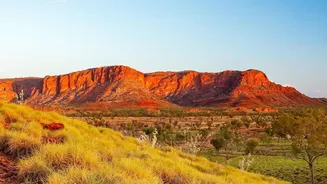
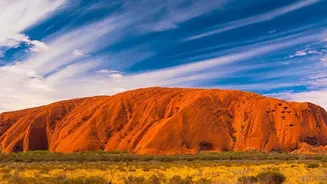
For a taste of the vast, ancient outback, the Kimberley region in Western Australia is unparalleled. More than three times the size of England but with a population under 40,000, this is one of the world's last true wilderness areas. The landscape is a dramatic tapestry of immense gorges, rugged red cliffs, and a stunningly remote coastline. Journey along the iconic Gibb River Road to discover pristine waterfalls and crystal-clear swimming holes, or explore ancient Indigenous rock art sites that offer a connection to one of the oldest living cultures on Earth. The region is best visited during the dry season (May to October) when temperatures are more pleasant and roads are accessible. It’s an adventure that requires effort, but rewards visitors with an incredible sense of space and history.
Flinders Ranges, South Australia
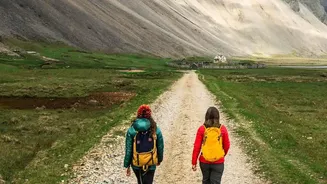
A few hours' drive from Adelaide, the Flinders Ranges offer a dramatic outback landscape that feels a world away from the city. The area is known for Wilpena Pound, a spectacular natural amphitheatre, and the rugged peaks of Ikara-Flinders Ranges National Park. It's a landscape rich in geological history and Indigenous culture. The drive itself is part of the experience, with scenic lookouts like Razorback offering stunning vistas of the winding roads and layered hills. The region is ideal for hiking, with trails catering to all fitness levels, and it provides an excellent opportunity to see iconic Australian wildlife. For a different perspective, consider a scenic flight to truly appreciate the scale and grandeur of Wilpena Pound from above. The best time to visit is between May and September for milder weather perfect for exploring.
Ningaloo Reef, Western Australia
While the Great Barrier Reef often steals the spotlight, the Ningaloo Reef on Australia's west coast offers a more intimate and accessible alternative. As the world's largest fringing reef, its coral gardens are just a few steps from the beach, meaning you can swim out to explore without needing a boat. This UNESCO World Heritage site is famous for its encounters with whale sharks, the world’s largest fish, which migrate through the area between March and August. However, the reef is a year-round destination for swimming with manta rays, turtles, and thousands of species of colourful fish. The vibe here is more laid-back, with smaller tour groups creating a less crowded and more personal experience with marine life.