


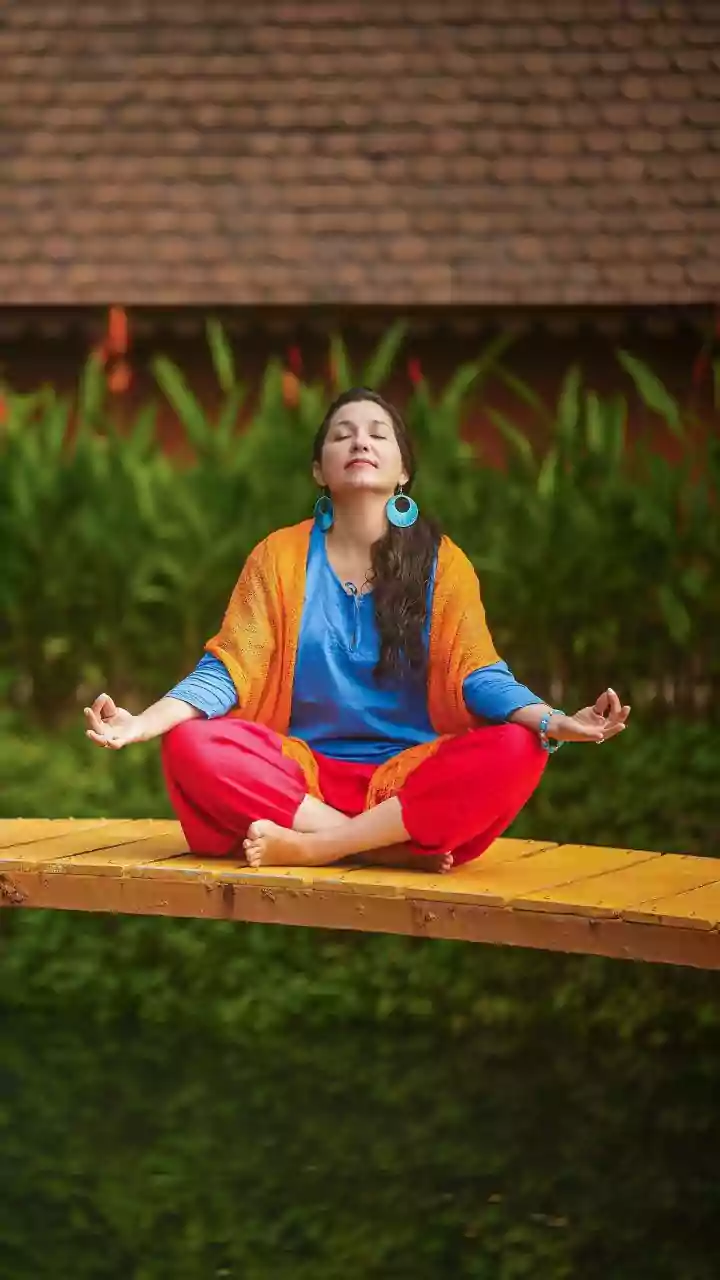




Nature as a Training Partner
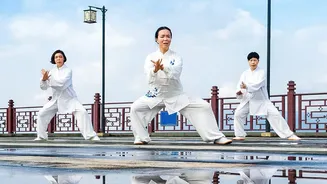
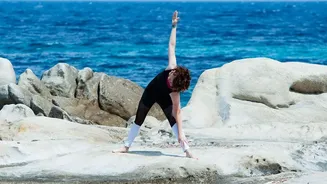
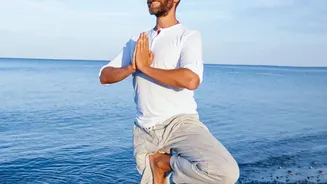
Combining Tai Chi with an outdoor setting creates a synergy that enhances the benefits of both. The practice is already celebrated for improving mobility, balance, and mental clarity. When you take it outside, these effects are amplified. Fresh air encourages
deeper, more expansive breathing, while natural light helps regulate energy and mood. Studies show that exercising in green spaces can lower levels of the stress hormone cortisol, reduce anxiety, and improve focus. Nature essentially becomes a co-facilitator in your practice, with the sounds of rustling leaves and the feeling of open space helping to calm the nervous system and deepen your sense of presence.
The Foundation Is Your Footing
The flowing, seamless movements that many associate with Tai Chi are not the starting point; they are the result of dedicated practice. For any beginner, the journey begins with the ground beneath their feet. Before you can find your flow, you must first find your footing. This means learning to stand, shift your weight, and move with deliberate intention. The core principle involves being 'rooted' to the earth, feeling a stable connection that allows the rest of the body to move with freedom and softness. Most foundational exercises, like Tai Chi walking, focus entirely on this mindful weight transfer, ensuring one foot is always substantial and solid before the other becomes light and empty. This builds the essential balance and body awareness needed for more complex forms.
From Stability Comes Flow
Once a beginner becomes comfortable with their footing and can shift weight without losing balance, the concept of 'flow' begins to emerge. In Tai Chi, flow is more than just graceful movement; it is the smooth, uninterrupted circulation of 'qi,' or life energy. The practice teaches that all parts of the body should move as one coordinated unit, directed by the mind rather than muscular force. This state of 'moving meditation' is achieved when the body is relaxed, the breath is natural, and the mind is focused. The slow, circular motions are designed to be continuous, like a great river, with no abrupt stops or starts. This unity of mind, body, and breath is what creates the profound sense of calm and vitality that practitioners seek.
Your First Outdoor Session
Getting started with outdoor Tai Chi is simple. Find a spot that is relatively flat and quiet, where you feel comfortable. A park, a garden, or even a quiet backyard will work. Wear loose, comfortable clothing that doesn't restrict movement and flat-soled shoes that allow you to feel the ground. Uneven surfaces like grass or sand can actually enhance your practice by challenging and improving your balance over time, but start on a stable surface if you are a complete beginner. Begin with simple warm-ups and focus on the basics: your posture, your breath, and the feeling of your weight shifting from one foot to the other. You don't need to know a full routine; simply practicing foundational stances and slow walking can be a powerful exercise in itself.
Patience on the Path
It is crucial for beginners to manage their expectations. Tai Chi is a journey, not a destination. The fluid grace you see in experienced practitioners comes from years of consistent effort. The goal of your initial sessions is not to achieve perfection but simply to practice. The benefits—reduced stress, better balance, and a clearer mind—arise from the process itself. Embracing the initial focus on stable footing is not a hurdle to overcome, but rather the most important part of building a strong and lasting practice. Each step, no matter how small, is a step toward greater health and self-awareness.