





What is the New Mission Plan?
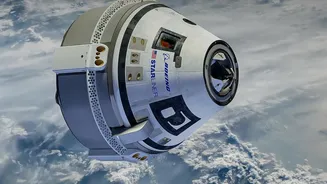
Instead of flying to the Moon, Artemis III is now a complex dress rehearsal closer to home. Scheduled for as early as summer 2027, the 14 to 17-day mission will send four astronauts into low Earth orbit aboard the Orion spacecraft. The primary goal is to test
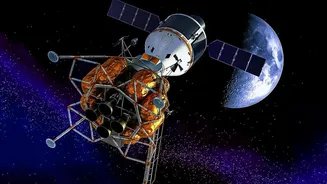
the rendezvous and docking capabilities essential for a lunar landing. The crew will link up with two separate test vehicles: one from SpaceX and one from Blue Origin. This change, announced earlier in 2026, redesigns the mission as a risk-reduction flight, ensuring all the moving parts work together before attempting a landing a year later. This approach is reminiscent of the Apollo 9 mission, which tested the lunar module in Earth orbit before Apollo 11 went for the landing.
Why the Change of Plans?
The decision to pivot Artemis III from a lunar landing to an orbital test was driven by a desire to reduce the immense technical risk of the mission. NASA officials determined that jumping directly from a lunar flyby (Artemis II) to a landing was a 'bridge too far', involving too many untested systems at once—from the landers themselves to new spacesuits. The commercial human landing systems (HLS) being developed by SpaceX and Blue Origin are crucial, but they are also complex and have faced their own development timelines. By conducting an extensive test in low Earth orbit, NASA can validate the performance of these landers and the intricate docking procedures in a more controlled environment before committing astronauts to the much more hazardous journey to lunar orbit.
A Complex Orbital Ballet
The Artemis III mission will be an unprecedented logistical challenge, requiring three separate launches. First, Blue Origin will launch its Blue Moon lander test article into orbit using its New Glenn rocket. Days later, NASA's own Space Launch System (SLS) rocket will launch the four-person Orion crew. The Orion capsule will then rendezvous and dock with the Blue Moon vehicle. The crew is expected to enter the lander to test its life support and other systems for two days. Later in the mission, after Orion undocks, a SpaceX Starship test article will launch and perform its own rendezvous and docking with Orion. This shorter, two-hour test will focus on the forces and dynamics of docking, though the crew will not enter the Starship vehicle.
What This Means for the Moon Landing
This revised plan pushes the first crewed lunar landing of the 21st century to the Artemis IV mission, now targeted for 2028. NASA has stated it may even attempt a second landing, Artemis V, in the same year. The results of the Artemis III tests will be critical in determining which commercial lander is ready and certified to carry astronauts to the Moon's surface on that historic flight. While this represents a delay for putting 'boots on the Moon', NASA frames it as an acceleration of the overall program by increasing the frequency of launches and building workforce skills. It's a strategic trade-off: a longer wait for the landing in exchange for a safer and more sustainable long-term presence on the Moon, with the agency aiming to beat China's stated goal of landing astronauts before 2030.