







The Current Price Shock
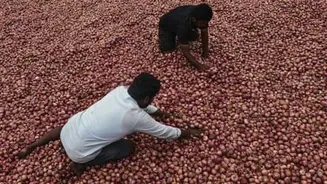
Households across Karnataka are grappling with a sharp increase in onion prices, a staple ingredient in Indian cuisine. In recent weeks, retail prices have surged, with some markets seeing rates jump from around ₹30 per kg to over ₹60 or ₹70 per kg. This
steep rise is not just impacting home cooking; restaurants and small food businesses are also feeling the pressure, with some forced to consider menu price hikes to cover the increased cost of essentials. The price surge is a direct result of a classic economic problem: demand is steady, but supply has been severely constrained.
A Tale of Two Crops
To understand the current shortage, it’s important to know India's onion cycle. The market relies on two main crops: the Rabi crop, harvested in March-April, and the Kharif crop, which is typically harvested from late August onwards. The Rabi harvest is stored and supplies the nation for several months. However, unseasonal rains and hailstorms earlier in the year in key growing regions like Maharashtra damaged a portion of this stored produce. As these stored stocks naturally dwindle by August and September, the market typically depends on the arrival of the fresh Kharif crop. This year, that arrival is delayed.
Monsoon Havoc and Sowing Delays
The primary culprit behind the delayed Kharif harvest is the erratic 2026 monsoon. Onion is largely a rain-fed crop in many parts of Karnataka, including the major growing districts of Gadag, Vijayapura, and Bagalkote. This year, a weak start to the monsoon and prolonged dry spells meant farmers could not sow their onion seeds at the usual time in June and July. Inadequate rainfall led to crop failure for many who depend on rain, while others had to rely on expensive drip irrigation. The heat also affected the development of the bulbs, resulting in smaller onions and significantly lower yields. Some farmers in areas like Bagalkot had to sow seeds again in August after rains finally arrived, pushing the entire harvest timeline back.
Why October is the Magic Month
Traders and agricultural experts are pointing to mid-October as the earliest point for potential relief. This is when the delayed Kharif crop, sown later due to the monsoon's behavior, is finally expected to begin arriving in markets in significant quantities. The new supply is crucial to bridge the gap left by the depleted Rabi stocks. Until then, Karnataka's markets will remain heavily dependent on limited supplies from other states like Maharashtra, which are also dealing with their own production challenges. This dependence on external supply, coupled with increased transportation costs, keeps prices firm.
A Fragile Supply Chain
The situation highlights the vulnerability of the agricultural supply chain to weather events. Even with a good overall production forecast nationally, regional weather disruptions can cause significant price volatility. This year's storage losses are estimated to be higher than average due to moisture damage from unseasonal rains, reducing the quantity of good-quality onions available. For farmers, the situation is a double-edged sword. While high prices seem beneficial, many have suffered significant crop losses of up to 40%, meaning they have less produce to sell. Those who managed a harvest are facing higher input costs, making the market unpredictable for everyone involved.