





First, What Is 'Plant-Forward'?
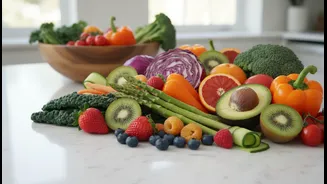
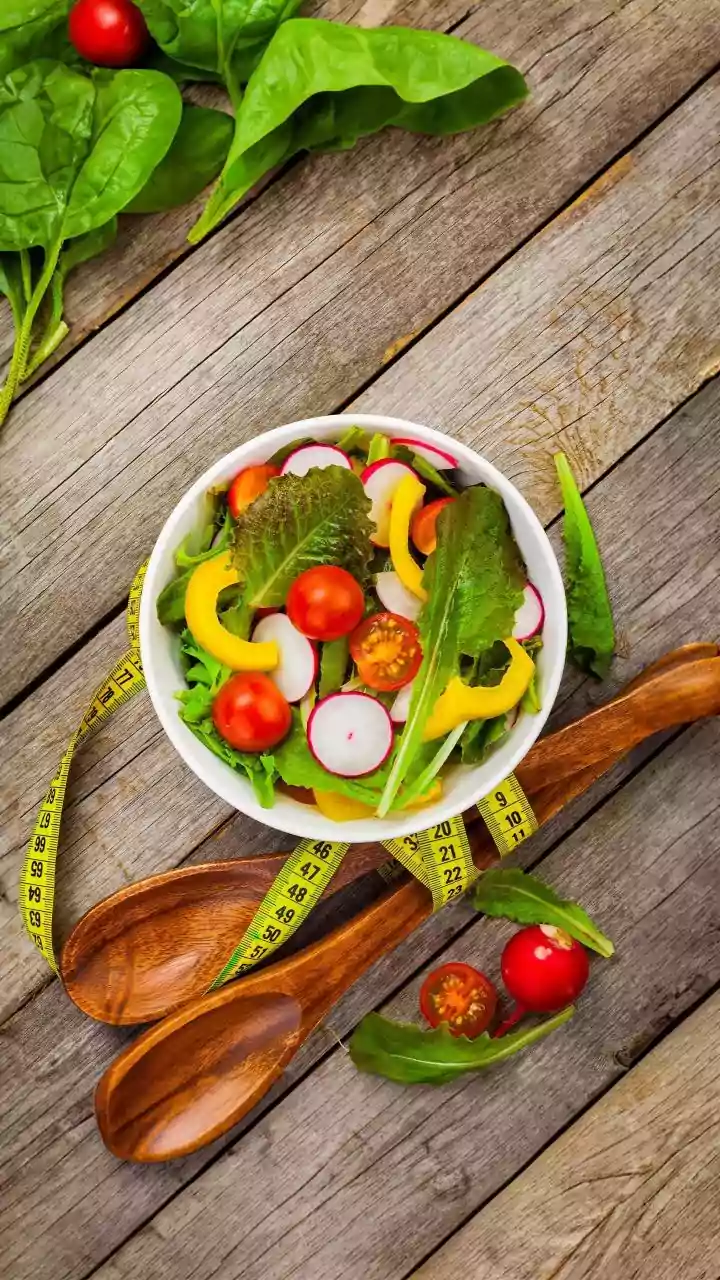
Let's clear up a common confusion. Going plant-forward is not the same as being strictly vegan or vegetarian. A plant-forward approach simply means making plant-based foods the star of your meals, while meat, dairy, and eggs play a smaller role, if any.
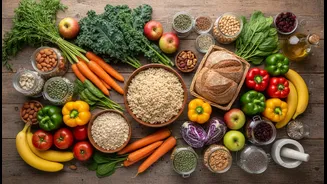
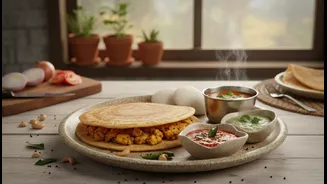
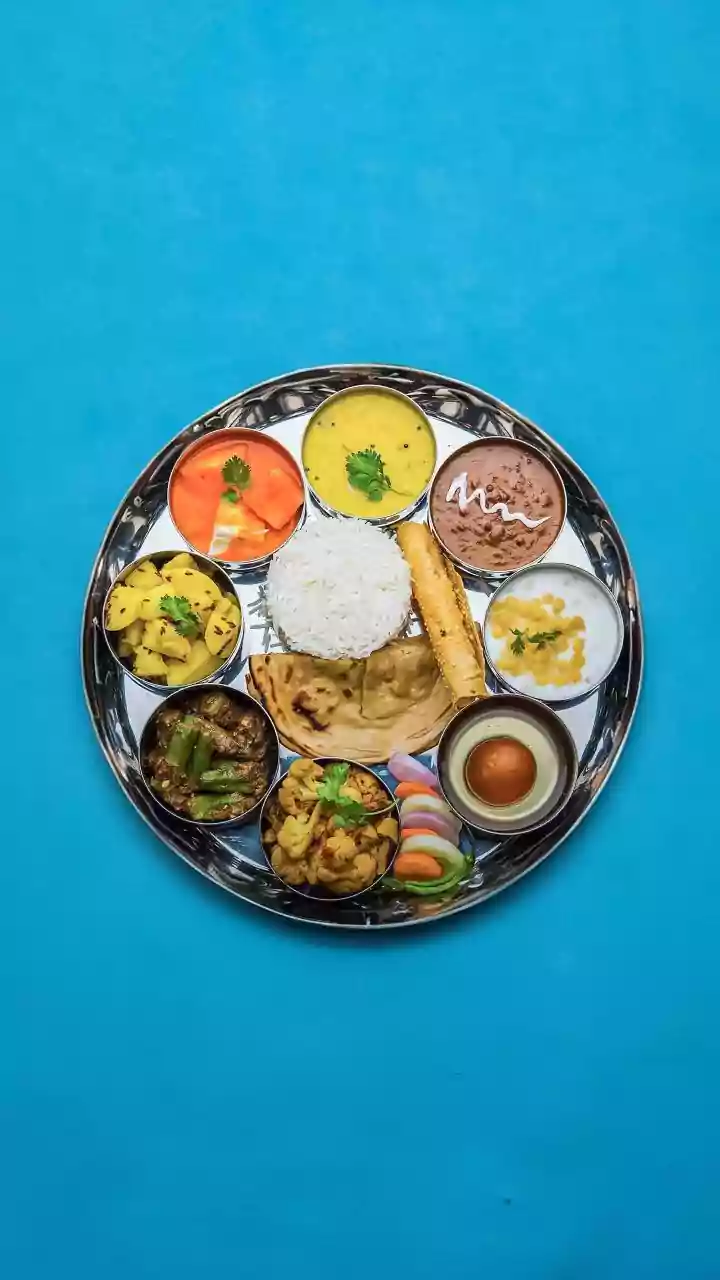
It’s a flexible style of eating that emphasizes whole foods like vegetables, fruits, legumes, and whole grains. This approach is less about rigid rules and more about increasing the proportion of plants on your plate, which makes it an accessible and sustainable choice for many. For most people in India, this way of eating is already familiar, as traditional cuisine has always celebrated dals, sabzis, and grains.
The Power of a Simple Plan
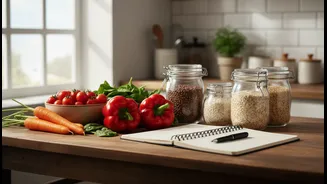
The single most effective tool for eating well on a budget is planning. A few minutes spent each week deciding your meals can save you significant time, stress, and money. Start by thinking about what you want to eat for the week. Look at what you already have in your pantry and fridge. Then, make a grocery list and—this is the crucial part—stick to it. A list prevents impulse buys and ensures you purchase only what you need, reducing food waste and keeping your spending in check. Studies have shown that shoppers without a list can spend up to 40% more than they intended.
Build Meals Around Your Staples
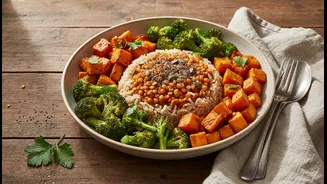
The foundation of affordable plant-forward eating in India is already in your kitchen. Staples like lentils (dal), chickpeas (chana), kidney beans (rajma), and whole grains like rice, millets (bajra, jowar), and oats are incredibly nutritious and inexpensive. These ingredients are not only cheap but also packed with protein and fibre, keeping you full and satisfied. Designing your meals around these humble heroes instead of pricey meat substitutes or imported superfoods is the easiest way to keep costs down. A simple dal, a seasonal vegetable sabzi, and a roti or bowl of rice is a perfectly balanced, affordable, and plant-forward meal.
Shop Smart, Not Expensive
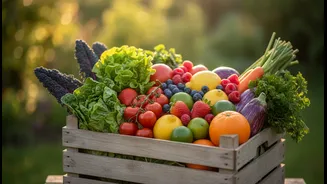
How you shop is just as important as what you buy. Prioritise seasonal and local produce, which is often fresher, tastier, and cheaper because it’s abundant. Don't overlook the frozen foods section; frozen fruits and vegetables are just as nutritious as fresh ones because they are picked and frozen at peak ripeness, and they last much longer, helping you reduce waste. Similarly, canned beans and tomatoes are convenient and budget-friendly pantry staples. Buying grains, dals, and spices in bulk can also lead to significant savings. And remember, you don't need to buy everything organic. Conventional produce is still packed with valuable nutrients.
Cook Once, Eat Many Times
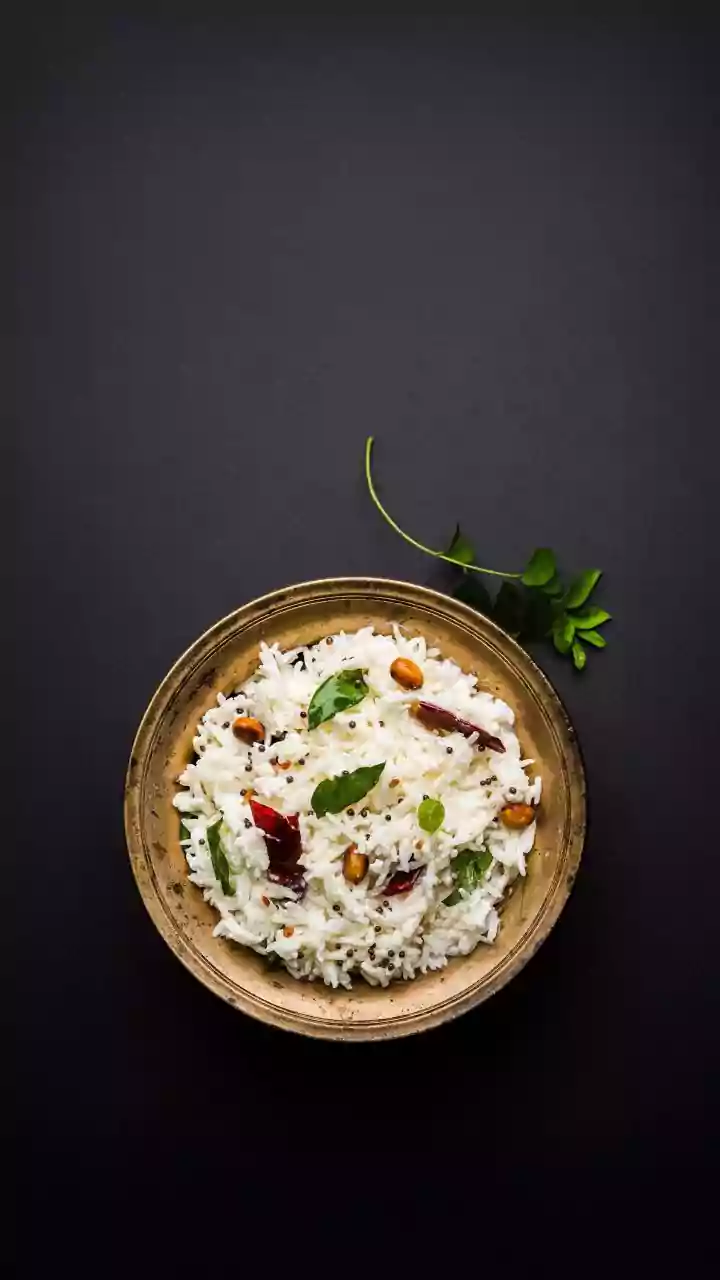
Batch cooking is a game-changer for busy weeks. Cooking larger quantities of base ingredients like rice, quinoa, or roasted vegetables at the beginning of the week saves you from having to cook from scratch every night. You can use these prepped components to assemble different meals quickly. For example, a large batch of cooked chickpeas can be used in a curry one night, a salad for lunch the next day, and blended into hummus for snacks. Using leftovers creatively not only saves time and money but also drastically cuts down on food waste, a key principle of sustainable and affordable eating.