




The Core Difference: Dynamic Motion vs. Mindful Movement
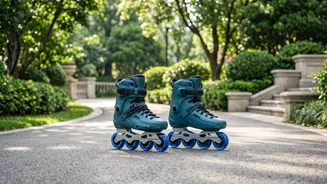
At first glance, skating and Tai Chi could not be more different. Roller or inline skating is a dynamic cardiovascular workout focused on propulsion and balance at speed. It’s about covering ground, feeling the wind, and engaging muscles to push, glide,
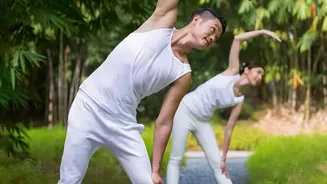
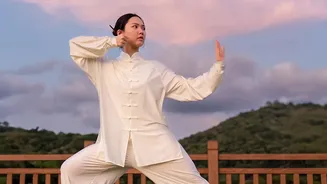
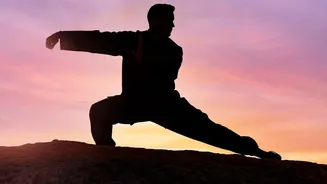
and turn. The core is constantly engaged to maintain stability while in motion. In contrast, Tai Chi is often called 'meditation in motion'. This ancient Chinese martial art involves a series of slow, deliberate, and flowing movements linked together. The focus is on precision, body awareness, posture, and coordinating breath with gentle physical forms. While skating builds core strength through constant, reactive adjustments, Tai Chi builds it through controlled, intentional poses and transitions.
Joint Impact and Injury Risk
The headline's claim holds true: Tai Chi is the clear winner for lower-impact movement. Its slow, controlled nature, where joints are never fully extended or bent forcefully, makes it exceptionally gentle on the body. It is often recommended for individuals with arthritis or those recovering from joint surgery because it improves mobility and strength without strain. However, improper form, particularly deep knee bends, can still lead to strain. Skating, while much higher in intensity, is still considered a low-impact exercise compared to running. Studies show skating has less than 50% of the impact shock on joints compared to jogging. The primary risk in skating comes from falls, which can lead to fractures, sprains, and head injuries. Tai Chi's main physical risk is minor musculoskeletal aches or pains, particularly in the knees if done incorrectly, but the overall injury rate is significantly lower than in more dynamic activities.
Cardio, Calories, and Strength
If burning calories and getting a powerful aerobic workout is your main goal, skating has the edge. An hour of moderate roller skating can burn between 330 to 360 calories, and vigorous skating can burn up to 600 calories an hour. It's recognized by the American Heart Association as an effective aerobic exercise, comparable to jogging or cycling for cardiovascular benefits. It's excellent for building strength in the legs, glutes, and core. Tai Chi is a more gentle aerobic exercise, comparable to a moderate walk. A person might burn around 220-270 calories per hour. While it won't leave you breathless, regular practice has been shown to improve cardiovascular health by lowering blood pressure and improving circulation. It also builds surprising strength, particularly in the lower body and core, by using the body's own weight for resistance in slow, controlled movements.
Balance, Coordination, and Mind-Body Connection
Both activities are exceptional for improving balance, but they do so in different ways. Skating enhances dynamic balance—the ability to stay stable while moving, often at speed. It trains your reflexes and forces your core to constantly adapt. Tai Chi, on the other hand, is a masterclass in static and controlled balance. Its focus on slow weight shifts and deliberate foot placement has been shown to significantly reduce the risk of falls, especially in older adults. Tai Chi is also a profound mind-body practice. The concentration required to remember and perform the sequences, combined with deep breathing, reduces stress and improves mental focus. While skating can certainly improve your mind-body connection through skill development, Tai Chi’s meditative aspect is central to the practice.
Getting Started: Gear and Accessibility
Tai Chi is one of the most accessible forms of exercise available. It requires no special equipment, just comfortable clothing and a small amount of space. It can be practiced indoors or outdoors, alone or in a group, and can even be adapted for people who need to sit in a chair. Skating requires more initial investment. You'll need a good pair of skates (roller or inline) and, crucially, protective gear, including a helmet, wrist guards, and knee and elbow pads. You also need a suitable surface, like a smooth pavement, park path, or skating rink. While both activities are suitable for a wide range of ages, Tai Chi's gentle nature makes it particularly beneficial for seniors or those with physical limitations.