



A Taste of Home Among the Stars
For astronauts, being thousands of kilometres from Earth can be isolating. The food they eat is more than just fuel; it's a crucial link to home, a boost for morale, and a moment of comfort. Recognising this, the Mysuru-based Defence Food Research Laboratory
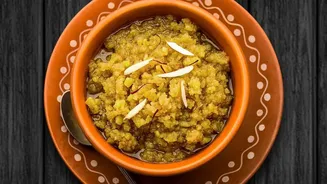
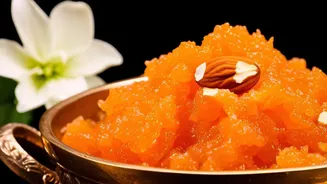
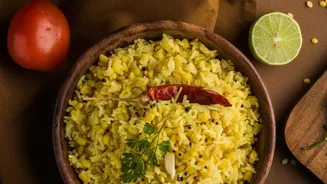
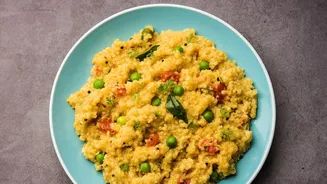
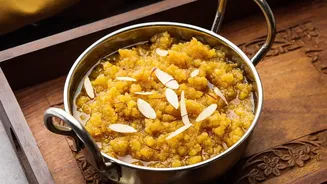
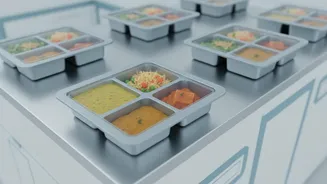
(DFRL) has been developing a menu of Indian delicacies for the nation's spacefarers. While an extensive menu featuring favourites like khichdi and pulao was prepared, recent reports confirmed that three specific items successfully cleared the exhaustive qualification tests required for spaceflight: Gajar ka Halwa, Moong Dal Halwa, and Aamras (mango pulp). This achievement marks a significant milestone in preparing for India's crewed missions, ensuring that astronauts have familiar and comforting food choices.
The Ultimate Kitchen Gauntlet
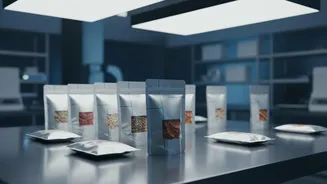
Getting food certified for space is immensely more complex than just packing a meal. Every item must undergo a battery of stringent tests to ensure it is safe and stable in the unique environment of microgravity. First, the food needs a long shelf life, often over a year, without refrigeration. Scientists at DFRL use a technology called retort processing, where food is sealed in a pouch and heated to high temperatures to sterilise it. Second, the food must have zero microbial contamination. Third, it has to be packaged in a way that prevents crumbs or liquids from escaping. In zero gravity, floating particles can pose a serious hazard if they get into sensitive spacecraft equipment. The food must be easy to handle and consume, often in a paste or semi-solid form, and served in specially designed packets.
On the Menu: A Trio of Desserts
The three dishes that made the final cut are all beloved Indian sweets. Gajar ka Halwa and Moong Dal Halwa are rich, porridge-like desserts that are dense and have a low risk of crumbling, making them suitable for microgravity. Aamras, a simple and delicious mango puree, is also easy to package and consume. Interestingly, astronaut Shubhanshu Shukla, who flew to the International Space Station in 2025, revealed that while these three dishes were certified, there wasn't enough time to complete the rigorous testing for other savoury items like khichdi and pulao. He also shared that his international crewmates thoroughly enjoyed the Indian desserts he brought along. This highlights not only the technical challenge but also the universal appeal of these classic flavours.
Why Space Changes Your Sense of Taste
One of the strange effects of living in space is that it can dull an astronaut's sense of taste and smell. In microgravity, bodily fluids shift upwards, often causing a sensation similar to a stuffy nose. This congestion can make food taste bland. As a result, many astronauts find themselves craving salty, spicy, and intensely flavoured foods to compensate. While the approved desserts are sweet, the DFRL has also developed mildly spiced main courses for the Gaganyaan mission, with provisions for extra taste-makers if the astronauts desire more flavour. Past Indian astronauts have also taken desi food to space; Rakesh Sharma, India's first man in space in 1984, carried suji halwa and vegetable pulao.
The Future of Indian Space Cuisine
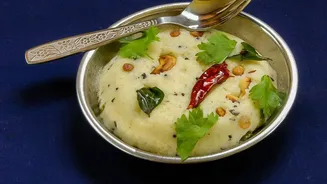
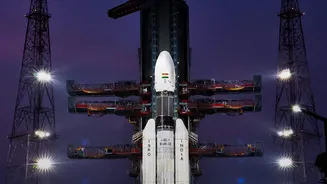
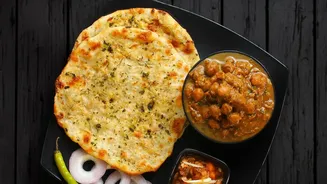
The successful qualification of these three dishes is just the beginning. The DFRL continues to work on a much wider menu for future Gaganyaan missions, which is expected to include around 30 different items, from idli-sambar and vegetable biryani to chicken korma and potato parathas. The goal is to provide Indian astronauts with a diverse and appetising menu that caters to their personal preferences while meeting all the nutritional and safety requirements for a week-long mission. As India advances its human spaceflight capabilities, the work being done at DFRL ensures that a comforting taste of home will always be on the menu, no matter how far from Earth our explorers travel.