





Start Smart at the Store
Your journey to better frozen vegetables begins in the supermarket aisle. When you pick up a bag, give it a gentle shake. The vegetables inside should move around freely. If you feel large, solid clumps of ice, it's a sign that the bag may have thawed
and been refrozen at some point. This repeated temperature change can ruin the texture before you even get them home. Choose bags where the vegetables are loose and individual. Also, keep your freezer at a consistent -18°C or colder to maintain the quality of your frozen goods until you're ready to use them. Most vegetables will maintain high quality for 8 to 12 months at this temperature.
The Great Thawing Debate
One of the most common questions is whether to thaw frozen vegetables before cooking. For most vegetables and most cooking methods, the answer is a firm no. Cooking them directly from their frozen state is crucial to preventing a mushy, waterlogged texture. When vegetables are frozen, the water inside them forms ice crystals that rupture their cellular structure. Thawing them first allows that water to pool, essentially stewing the vegetables as they cook. The main exception is for leafy greens like spinach, which often need to be thawed and squeezed to remove excess moisture before being added to dishes. Always check package instructions, but when in doubt, cook from frozen.
Turn Up the Heat
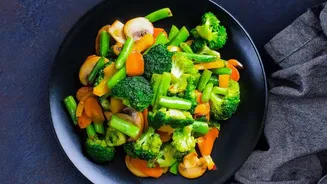
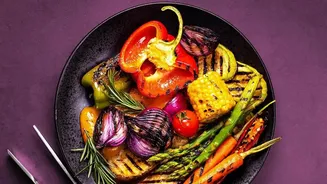
The secret to avoiding soggy vegetables is high heat. Whether you're roasting, stir-frying, or sautéing, a hot pan or a preheated oven is your best friend. High heat helps the moisture from the ice crystals evaporate quickly, allowing the vegetables to sear and caramelize rather than steam. For roasting, preheat your oven and the baking sheet to at least 220°C. Toss the frozen vegetables in a little oil, spread them in a single layer to avoid crowding the pan, and roast until tender and slightly browned. For a stir-fry, get your wok or skillet smoking hot before adding the vegetables straight from the freezer.
Avoid Overcooking at All Costs
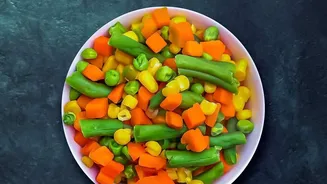
Frozen vegetables cook much faster than their fresh counterparts because they are typically blanched (briefly boiled) before being frozen. This pre-cooking step means they need significantly less time on the stove or in the oven. Overcooking is a primary cause of mushy, lifeless vegetables. For methods like boiling or steaming, use as little water as possible to prevent nutrients and flavour from leaching out. Small vegetables like peas and corn may only need 2-5 minutes. When adding frozen vegetables to soups, stews, or curries, stir them in during the last 5-10 minutes of cooking to ensure they stay vibrant and retain some bite.
Mastering Your Cooking Method
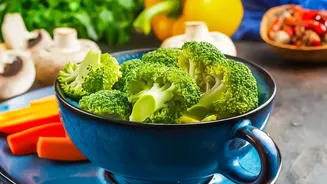
Different cooking methods yield different results. Dry-heat methods are often best for achieving a desirable texture. Roasting at a high temperature can create crispy, caramelized edges. Sautéing or stir-frying in a hot pan with a little oil is another excellent way to cook vegetables quickly while preserving their crunch. Steaming is a healthy option that retains nutrients, but be sure to place the vegetables in a basket above the water, not in it. Microwaving should generally be avoided unless you're using a bag specifically designed for steaming, as it often leads to uneven cooking and a soggy outcome.
Don't Forget to Season
Proper seasoning can transform frozen vegetables from bland to brilliant. However, timing is important. When roasting or pan-frying, it's often best to wait to add salt until after some of the initial moisture has cooked off, as salt can draw out more water. Once the vegetables are cooked, don't be shy with flavour. A simple toss with garlic and butter or a drizzle of good olive oil can make a huge difference. Fresh herbs, a squeeze of lemon juice, or spices like smoked paprika and garlic powder can elevate the final dish. For a final touch, a sprinkle of grated Parmesan cheese can add a savoury, delicious finish.