





Beyond Butter Chicken and Basmati
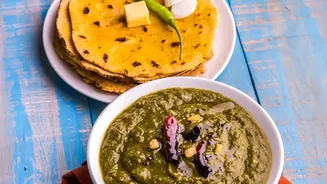
The global perception of Indian cuisine is undergoing a delicious and long-overdue evolution. While staples like butter chicken and biryani remain popular, the international spotlight is shifting towards the country's vast and varied regional culinary
traditions. This is a move from the generic to the specific, celebrating the unique flavours that define India's diverse states. Driving this trend is a combination of factors: a proud and well-travelled Indian diaspora introducing authentic home-cooked dishes to new communities, adventurous global foodies seeking novel taste experiences, and the power of social media to turn local treasures into worldwide phenomena. The result is a richer, more authentic representation of Indian food, where every dish tells a story of its origin.
The Sweet Success of Thekua
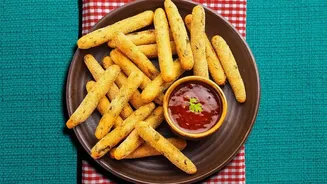
A perfect example of this trend is thekua, a traditional sweet snack from Bihar and Jharkhand. Made from whole wheat flour, ghee, and jaggery, this deep-fried biscuit is most famously prepared as a sacred offering during Chhath Puja. For generations, its long shelf life made it a trusted travel snack. Now, this humble, homemade treat is finding a new identity as a heritage product on the global stage. Its recent prominence was highlighted when it was given as a diplomatic gift by Prime Minister Narendra Modi, bringing it to international attention. Home chefs and online stores are increasingly making thekua available to a global customer base, who appreciate its authentic, rustic flavour and connection to cultural tradition.
Assam's Aromatic Ambassador: Joha Rice
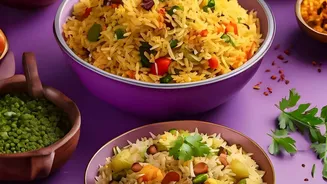
While Basmati has long been India's primary rice export, other indigenous varieties are now entering the international arena. Leading the charge is Joha rice, a short-grain aromatic rice from Assam prized for its delicate fragrance and flavour. After receiving a Geographical Indication (GI) tag in 2017, efforts to promote Joha rice globally have intensified. In early 2026, the Agricultural and Processed Food Products Export Development Authority (APEDA) facilitated the first major consignment of Joha rice to the United Kingdom and Italy, a significant step in establishing it in premium European markets. This follows smaller, successful trial exports to Vietnam and several Middle Eastern countries, signalling a strategic push to diversify India's rice exports and introduce the world to its lesser-known grains.
GI Tags as a Mark of Authenticity
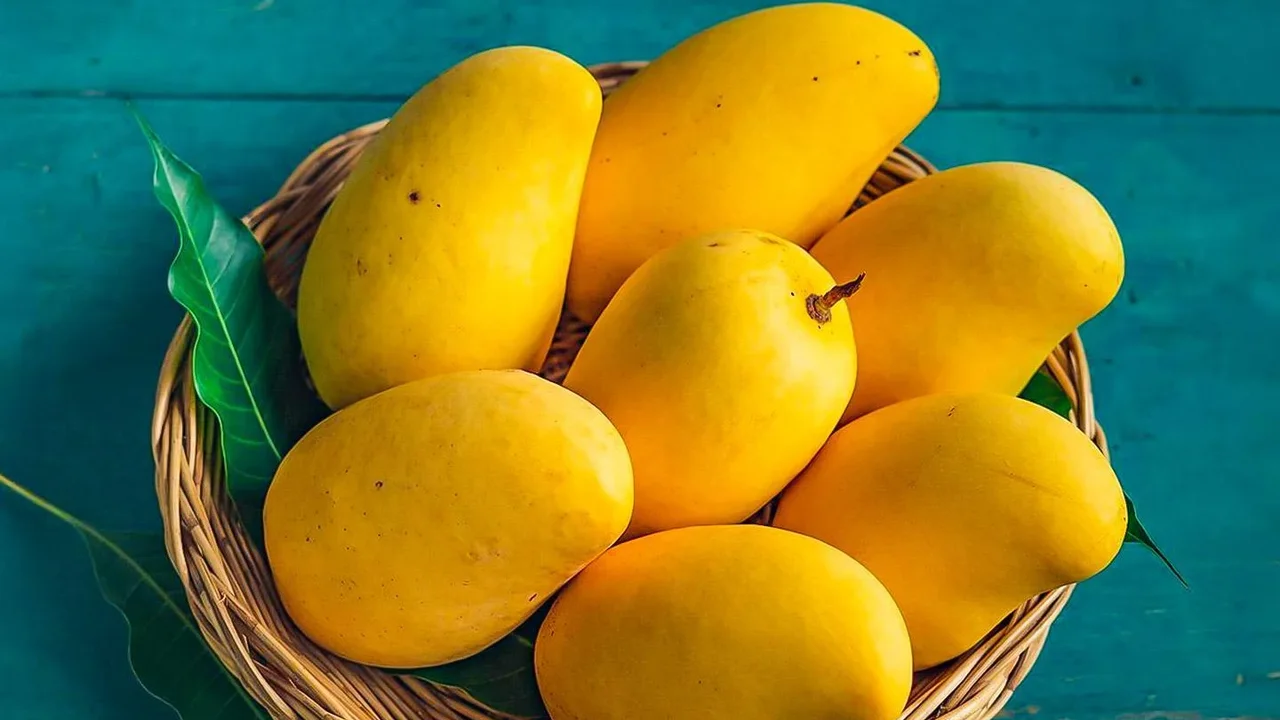
The rise of regional foods is closely linked to the growing importance of the Geographical Indication (GI) tag. A GI tag acts as a certification that a product possesses certain qualities or a reputation due to its specific geographical origin. It protects the product's identity and prevents counterfeiting, assuring consumers of its authenticity. For products like Joha rice, the GI tag has been instrumental in building a premium brand identity for export markets. APEDA is actively promoting numerous GI-tagged products, from spices like Unjha cumin to fruits like Gir Kesar mangoes, helping them gain credibility and access to global buyers. This not only boosts exports but also ensures that the economic benefits reach the farmers and producers in these specific regions.
Chefs as Cultural Catalysts
Indian chefs at home and abroad are playing a pivotal role in this culinary renaissance. Many are moving beyond stereotypical restaurant menus to champion forgotten recipes and hyper-local ingredients. Chefs like Vikas Khanna and Manish Mehrotra have long advocated for bringing regional diversity to the forefront of global fine dining. In restaurants from New York to Paris, chefs are winning accolades for menus that feature dishes inspired by southern Indian home cooking, Bengali specialities, and Goan flavours. By reinterpreting traditional dishes with modern techniques, they are making regional Indian food accessible and exciting for a new generation of diners, effectively acting as cultural ambassadors and reshaping the global narrative of Indian cuisine.