







The Multi-Billion Dollar Proposal
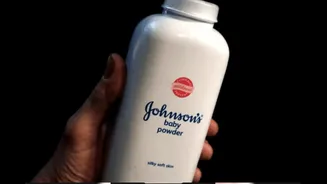
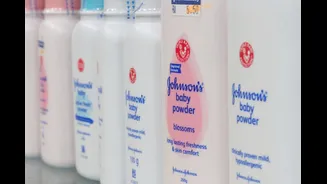
In late July 2026, Johnson & Johnson announced it had agreed to a settlement plan worth an estimated $5.5 billion to resolve the vast majority of lawsuits alleging its talc-based powders caused ovarian cancer. The deal aims to settle approximately 76,000
claims from women across the United States. This proposal, however, is not a simple cheque. It is contingent on at least 95% of the claimants agreeing to the terms, a high threshold designed to provide J&J with the finality it seeks. If accepted, payouts would begin in 2027. This offer marks a significant shift in strategy, moving away from previous, unsuccessful attempts to use the bankruptcy system to manage the flood of lawsuits. Instead, this deal was negotiated directly with the plaintiffs' attorneys, signaling a more direct approach to ending the long-running legal saga.
The Crushing Weight of Litigation
For years, J&J has faced a storm of litigation, with tens of thousands of individual lawsuits creating immense financial uncertainty. While the company has won a number of cases at trial, it has also been hit with staggering verdicts, including one for over $2 billion for a group of 22 women. The sheer volume of cases—peaking at over 90,000 at one point—makes fighting each one individually an expensive and unpredictable ordeal. Legal experts note that even with a strong defense, the risk of a few massive jury awards can outweigh the costs of a comprehensive settlement. This is the definition of litigation risk: the threat that ongoing court battles pose to a company's finances and reputation, regardless of the underlying merits of the cases. J&J has spent enormous sums on legal fees and previously tried multiple times to corral the lawsuits through a controversial bankruptcy strategy known as the "Texas Two-Step," all of which were rejected by courts. This settlement offer is a pragmatic admission that the financial bleeding from litigation must be stopped.
The Contested Science of Talc
Even as it offers billions to settle, J&J maintains that its talc products are safe and do not cause cancer. The company's public stance is that the lawsuits lack scientific merit. The scientific community itself remains divided. The core of the plaintiffs' argument is that talc, in its natural form, can be contaminated with asbestos, a known carcinogen. Internal documents revealed during trials suggest J&J may have been aware of potential asbestos contamination for decades, a claim the company disputes. However, studies on the link between asbestos-free talc and ovarian cancer have been inconclusive. Some studies show a slightly increased risk for women who use talc products in the genital area, while other large-scale studies have found no significant statistical link. The World Health Organization's cancer agency classified genital talc use as "possibly carcinogenic," reflecting the uncertainty. J&J's legal position was recently bolstered when a judge expressed doubt about the plaintiffs' ability to prove talc specifically caused their cancer after key expert testimony was withdrawn. This created a window of opportunity for J&J to negotiate from a position of relative strength.
A Strategy for a Clean Slate
Ultimately, the $5.5 billion proposal is a business decision designed to buy certainty. The endless cycle of trials, appeals, and negative headlines has been a significant drag on the company. By negotiating a deal that could resolve nearly all existing ovarian cancer claims, J&J hopes to wall off its largest legal liability and move forward. The company had already settled the majority of cases alleging its talc caused mesothelioma, a different cancer strongly linked to asbestos. This new deal focuses squarely on the ovarian cancer claims, which make up the bulk of the remaining litigation. While the settlement amount is substantial, it provides shareholders and the market with a clear number, replacing the open-ended risk of decades more in court. As one J&J executive stated, the resolution allows the company to put the matter behind it. It is a calculated price to pay for a clean slate, allowing the global healthcare giant to refocus on its core business without the shadow of talc litigation looming over it.