







Trust Your Senses: Signs of Spoilage
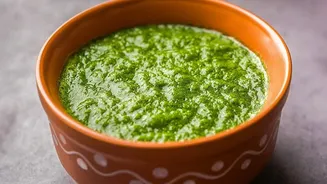
The most reliable way to check if your chutney is still good is to use your senses of sight and smell. Fresh green chutney has a bright, herbaceous aroma. If it starts to smell sour, fermented, or just plain 'off', it's a clear sign that it's time to discard
it. Visually, look for any signs of mould, which can appear as fuzzy spots. Another key indicator is a significant change in colour. While some darkening due to oxidation is normal, a chutney that has turned dull, brownish, or has lost its vibrant green hue is past its prime. The texture can also change; if it becomes excessively thick, slimy, or starts to separate in an unusual way, it's best not to risk it. Any bubbling or fizzing is a definite red flag, indicating fermentation and bacterial growth.
The Science of a Short Shelf Life
So why does this beloved condiment turn so quickly? The main culprit is oxidation. The fresh herbs, primarily coriander and mint, react with air during and after the grinding process. This exposure to oxygen causes the leaves to lose their bright green colour and turn dark. The heat generated from the mixer grinder can accelerate this process. Additionally, the high moisture content from ingredients like herbs and water creates a perfect breeding ground for bacteria and mould, especially if not stored correctly. Unlike commercially produced chutneys that contain preservatives, homemade versions are more susceptible to microbial growth, which leads to spoilage and potential health risks.
The Golden Rules of Storage
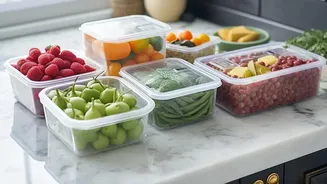
Proper storage is crucial to extending the life of your green chutney. For short-term use, always store it in the refrigerator in an airtight container. A glass jar is preferable to a metal one, as some ingredients can react with metal. For homemade chutney, it will typically last for about four to five days in the fridge. To prevent oxidation and retain that fresh green colour, you can add a natural preservative like lemon juice or a teaspoon of vinegar. Some people also find that adding a thin layer of oil on top before sealing the jar creates a barrier against the air, further slowing down spoilage.
Freeze for Future Feasts
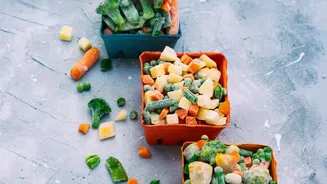
If you've made a large batch, freezing is your best friend. This method allows you to preserve your chutney for several months. The most effective way to do this is by pouring the chutney into an ice cube tray. Once the cubes are frozen solid, transfer them to a freezer-safe ziplock bag, squeezing out as much air as possible before sealing. This method is incredibly convenient; you can simply take out the number of cubes you need about an hour before your meal and let them thaw at room temperature or in the fridge. Chutney stored this way can last for up to three or four months without a significant loss in flavour or quality.
The Risks of Eating Spoiled Chutney
It might be tempting to scoop away a small spot of mould or ignore a slightly off smell, but consuming spoiled food can lead to unpleasant consequences. Spoiled chutney can harbor harmful bacteria like Salmonella and E. coli, which can cause food poisoning. Symptoms typically include stomach cramps, nausea, vomiting, and diarrhoea. While most cases of food poisoning are mild and resolve on their own, they can sometimes be severe. The toxins produced by mould and bacteria are not always destroyed by heat, so even if you were to use the chutney in a cooked dish, the risk remains. The simple rule is: when in doubt, throw it out. It’s always better to be safe than to risk your health for a spoonful of chutney.