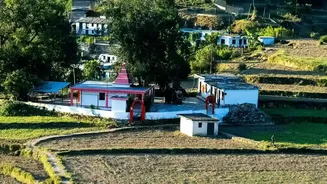





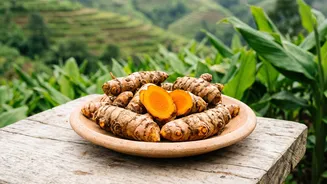
In the lush Jaintia Hills of Meghalaya, a quiet revolution is unfolding, powered by a golden spice and the determination of one woman. This is the story of Trinity Saioo and her initiative that has empowered hundreds of women farmers.
The Woman Behind the Movement
At the heart of this
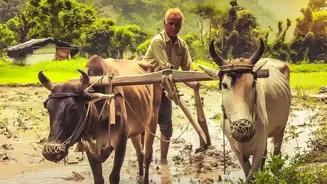
agricultural transformation is Trinity Saioo, a school teacher from Mulieh village who has become a beacon of hope for her community. Fondly known as 'Turmeric Trinity', her journey began not in a boardroom, but in the soil of her own farm. Initially a part-time farmer seeking to support her family, Saioo’s keen insight and leadership turned a personal endeavor into a large-scale movement. Her tireless work in promoting sustainable agriculture and empowering women farmers earned her the Padma Shri, India's fourth-highest civilian honor, in 2020. But for Saioo, the real reward lies in the upliftment of her fellow women and their families.
Meghalaya's Golden Treasure: Lakadong Turmeric
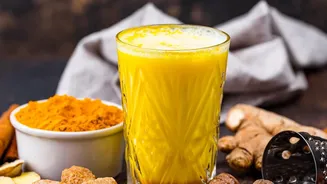
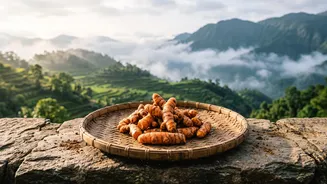
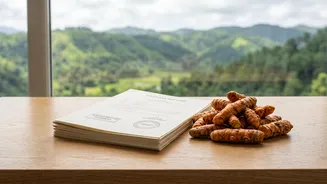
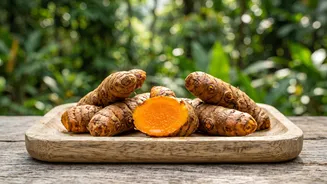
The star of this story is a specific variety of turmeric called Lakadong. Grown exclusively in the Jaintia Hills, this is not your ordinary 'haldi'. What sets Lakadong turmeric apart is its exceptionally high curcumin content, the compound responsible for its vibrant colour and potent medicinal properties. While regular turmeric varieties contain about 2-3% curcumin, Lakadong boasts a remarkable 7-12%. This high concentration gives it a stronger flavour, deeper aroma, and significantly greater health benefits, making it one of the most sought-after turmeric varieties in the world. Its unique qualities have also earned it a Geographical Indication (GI) tag, linking its identity directly to its Meghalaya origins.
From Lachein to Lakadong: A Profitable Shift
Before Saioo's intervention, most farmers in the region grew a different turmeric variety called 'Lachein', which had lower curcumin content and fetched poor prices. In 2003, Saioo decided to experiment with the superior Lakadong variety and saw her income double. Realizing its potential, she began a personal crusade to convince other farmers to make the switch. The initial years were challenging; the high cost of Lakadong seed tubers was a significant barrier for poor farmers. Undeterred, Saioo approached the Spices Board of India, helping her fellow villagers with the necessary documentation to avail subsidies and technical support. Her persistent efforts catalysed a widespread shift, changing the agricultural landscape of the entire region.
Empowering Hundreds and Building a Community
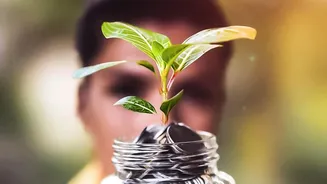
Trinity Saioo's initiative is about more than just cultivating a crop; it is about cultivating futures. She has been instrumental in organizing women into Self-Help Groups (SHGs) and cooperatives, such as the Ieng Skhem Spice Producer Industrial Co-operative Society. Today, she leads and works with over 800-900 women farmers, guiding them in everything from organic farming techniques to processing, packaging, and marketing. This collaborative structure allows the women to pool resources, negotiate better prices, and access wider markets, including states across India. By taking charge of the entire value chain, these women have successfully tripled their incomes, gaining financial independence and a powerful voice within their community.
A Golden Future
The success of the initiative has drawn significant support, including from the Meghalaya government's 'Mission Lakadong', which aims to substantially increase production to meet growing national and global demand. Saioo’s leadership has created a sustainable and replicable model of rural development. By connecting traditional farming knowledge with modern market opportunities, she has transformed a local spice into a symbol of economic empowerment and community resilience. The movement has not only improved the livelihoods of hundreds of families but has also placed the women farmers of the Jaintia Hills at the forefront of a golden revolution, with a future that looks as bright and vibrant as the turmeric they cultivate.